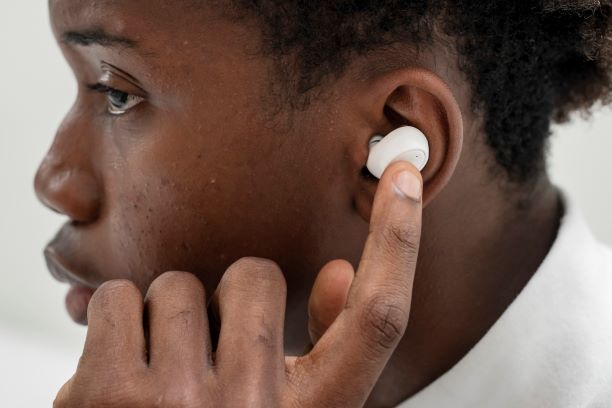
Silicone Earplugs for Tinnitus Relief – Do They Work?
Tinnitus is a common condition affecting millions of people worldwide. It manifests as a persistent ringing, buzzing, or humming sound in the ears, which can be frustrating and sometimes debilitating. Many sufferers seek various remedies to manage their symptoms, including sound therapy, medications, and lifestyle changes. One potential solution that has gained popularity is the use of silicone earplugs. But do they really work for tinnitus relief? Let’s explore how they function, their benefits, and their limitations.
Understanding Tinnitus and Its Causes
Before delving into how silicone earplugs may help with tinnitus, it is essential to understand the condition itself. Tinnitus is not a disease but rather a symptom of an underlying issue. Common causes include:
- Exposure to loud noises
- Age-related hearing loss
- Ear infections
- Earwax buildup
- Certain medications
- Stress and anxiety
Tinnitus can range from mild and occasional to severe and constant, significantly affecting sleep, concentration, and overall quality of life.
How Silicone Earplugs Work
Silicone earplugs are designed to reduce external noise by forming a tight seal in the ear canal. Unlike foam earplugs, which expand inside the ear, silicone variants mold to the ear’s shape, offering a more customized fit. Their primary function is to block or dampen sound, which can be beneficial in environments with excessive noise exposure.
Some people with tinnitus find relief by reducing background noise, while others need certain levels of ambient sound to distract them from the ringing. This variation in tinnitus experiences makes silicone earplugs a topic of debate when it comes to their effectiveness.
Benefits of Using Silicone Earplugs for Tinnitus Relief
While silicone earplugs may not be a cure for tinnitus, they offer several benefits that could help manage the condition.
1. Noise Reduction
One of the most significant advantages of silicone earplugs is their ability to block external noise. For individuals whose tinnitus is worsened by loud sounds, reducing environmental noise can help prevent further irritation and discomfort. This is particularly useful in noisy workplaces, urban settings, or during travel.
2. Better Sleep Quality
Many tinnitus sufferers struggle with sleep due to the constant ringing in their ears. While complete silence may not be ideal for some, silicone earplugs can help by minimizing disruptive external noises, allowing for a more controlled sleep environment. Pairing earplugs with white noise machines or soft background music can further enhance sleep quality.
3. Comfort and Custom Fit
Unlike foam earplugs, silicone versions offer a more comfortable and adaptable fit. They do not expand inside the ear canal, reducing the risk of pressure-related discomfort. This makes them a suitable option for extended use, whether during sleep or in noisy environments.
4. Protection Against Further Damage
Loud noise exposure is a significant contributor to tinnitus and hearing loss. Using silicone earplugs in high-noise environments, such as concerts, construction sites, or while using power tools, can help protect the ears from further damage and potentially worsening tinnitus symptoms.
Limitations of Silicone Earplugs for Tinnitus
Despite their benefits, silicone earplugs are not a one-size-fits-all solution for tinnitus. They come with certain limitations, including:
1. Increased Internal Awareness
Some individuals experience an intensified perception of their tinnitus when using earplugs. This is because blocking out external sounds can make the internal ringing more noticeable. If this occurs, alternative methods like background noise or hearing aids may be more effective.
2. Temporary Relief, Not a Cure
While silicone earplugs can help manage tinnitus symptoms, they do not treat the underlying cause. Those with chronic or severe tinnitus should seek professional medical advice to address the root cause and explore comprehensive treatment options.
3. Ear Canal Sensitivity
Some people may experience discomfort or irritation from prolonged use of silicone earplugs, especially if they have sensitive ear canals. Ensuring proper hygiene and using high-quality, hypoallergenic materials can help mitigate this issue.
Best Practices for Using Silicone Earplugs
To maximize the benefits of silicone earplugs while minimizing potential drawbacks, follow these best practices:
- Choose the Right Type: Look for high-quality, medical-grade silicone earplugs that are comfortable and moldable.
- Use Them Selectively: Avoid wearing earplugs all the time, as overuse may lead to increased sensitivity to sound.
- Maintain Ear Hygiene: Keep your ears clean and dry to prevent infections or earwax buildup.
- Combine with Other Remedies: Consider using earplugs in conjunction with white noise machines, relaxation techniques, or tinnitus retraining therapy for better results.
Conclusion
Silicone earplugs can be a helpful tool for some tinnitus sufferers, particularly in reducing external noise and improving sleep quality. However, their effectiveness varies depending on individual needs and tinnitus severity. While they are not a cure, they can contribute to overall symptom management when used correctly. If tinnitus is significantly impacting your life, consulting an audiologist or healthcare professional is essential for a personalized treatment approach.
By understanding how silicone earplugs work and incorporating them wisely, individuals with tinnitus can take steps toward better comfort and relief.







Post Comment