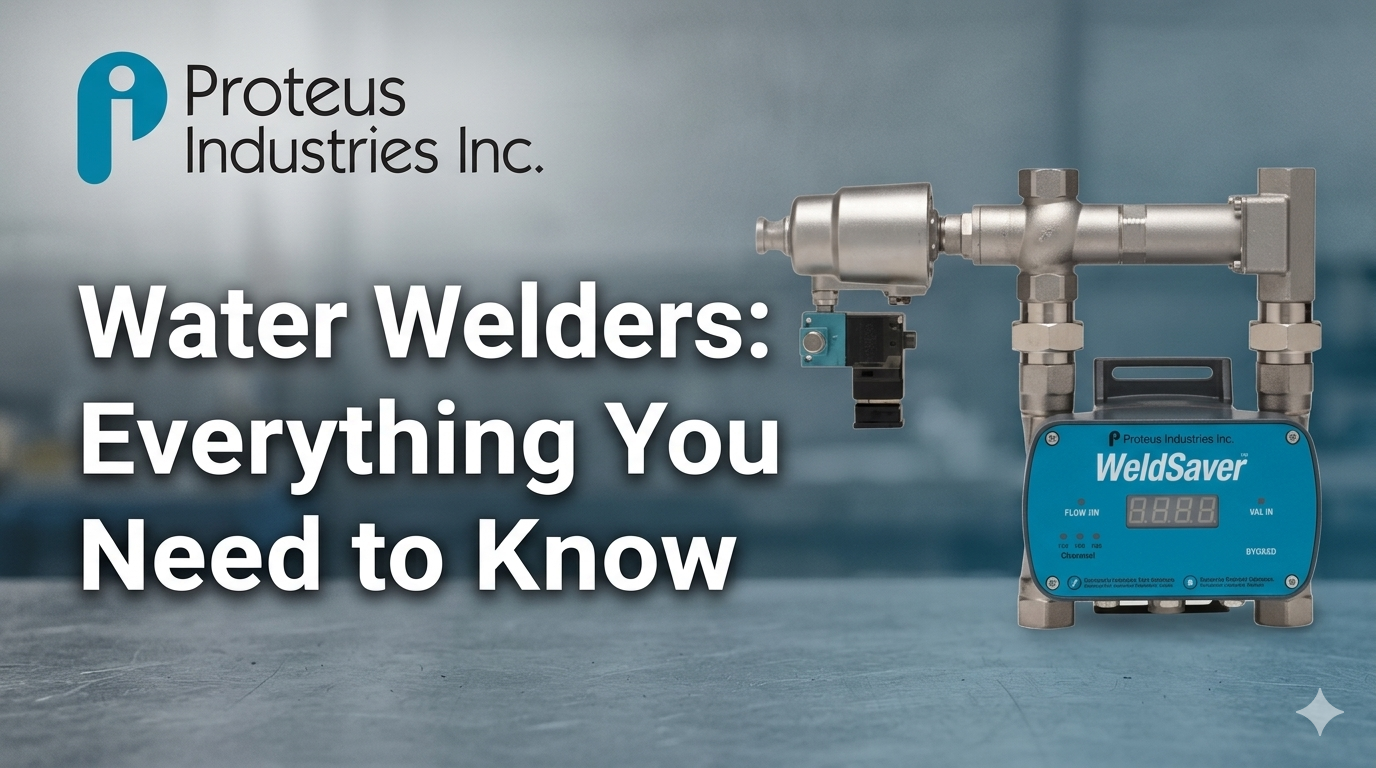
Water Welders Everything You Need to Know
Welding is an essential process in many industries, from construction to manufacturing. But have you ever heard of water welders? The name itself sounds interesting and a bit confusing. How can welding and water go together?
In reality, water welders are not about welding in water but about using water as part of the welding process. These systems are modern, efficient, and increasingly popular for certain applications.
In this blog, we’ll explain everything you need to know about water welders in simple language—what they are, how they work, their benefits, and where they are used.
What Are Water Welders
Water welders are special welding systems that use water to generate fuel gas. Instead of using traditional gas cylinders like oxygen and acetylene, these systems produce gas through a process involving water.
They are also commonly known as oxyhydrogen welders.
How Do Water Welders Work
The working of water welders is based on a simple scientific process called electrolysis.
Step 1 Splitting Water
Water (H₂O) is split into hydrogen and oxygen gases using electricity.
Step 2 Gas Production
The system collects these gases and mixes them in the right ratio.
Step 3 Flame Creation
The mixed gas is ignited to create a flame used for welding, cutting, or heating.
Step 4 Continuous Supply
As long as water and electricity are available, the system keeps producing gas.
This makes water welders different from traditional systems that rely on stored gas cylinders.
Why Are Water Welders Becoming Popular
Water welders are gaining attention because they offer a modern and efficient alternative to traditional welding methods.
Here are some key reasons:
- No need for gas cylinders
- Safer operation
- Cost-effective in the long run
- Environment-friendly
Benefits of Water Welders
Water welders offer several advantages that make them attractive for many users.
Improved Safety
Traditional gas cylinders can be dangerous if not handled properly. Water welders reduce this risk because they generate gas on demand instead of storing it.
Cost Efficiency
You don’t need to buy or refill gas cylinders regularly. This can save money over time.
Environment Friendly
Water welders produce cleaner flames and fewer harmful emissions compared to traditional methods.
Easy to Use
Most systems are designed to be simple and user-friendly, even for beginners.
Compact Design
Water welders are usually smaller and easier to handle than large gas setups.
Where Are Water Welders Used
Water welders are used in many industries and applications.
Jewelry Making
They are perfect for delicate work because they provide a clean and precise flame.
Repair Work
Used for small repairs in workshops and service centers.
Electronics Industry
Helpful for fine welding tasks that require accuracy.
Automotive Industry
Used for minor welding and cutting applications.
Small Manufacturing Units
Ideal for businesses that need flexible and cost-effective solutions.
Water Welders vs Traditional Welding Systems
Understanding the difference helps you choose the right option.
Traditional Welding
- Uses gas cylinders
- Requires storage and transport
- Higher safety risks
- Continuous gas supply needed
Water Welders
- Generate gas from water
- No storage required
- Safer and cleaner
- More convenient for small tasks
Are Water Welders Safe
Yes, water welders are generally safe when used properly.
However, like any equipment, safety precautions are important:
- Use proper protective gear
- Follow manufacturer instructions
- Keep the system well-maintained
Because gas is produced on demand, the risk of explosion is much lower compared to stored gas systems.
Limitations of Water Welders
While water welders have many benefits, they also have some limitations.
- Not suitable for heavy industrial welding
- Requires electricity to operate
- Initial setup cost can be higher
These systems are best for small to medium tasks rather than large-scale operations.
Tips for Using Water Welders Effectively
To get the best results, follow these simple tips:
Choose the Right Model
Different models are designed for different tasks. Select one that fits your needs.
Maintain Proper Water Level
Always ensure the system has enough water for operation.
Regular Maintenance
Clean and check the system regularly for smooth performance.
Follow Safety Guidelines
Always use protective gear and follow instructions carefully.
Future of Water Welding Technology
Water welding technology is improving rapidly. In the future, we can expect:
- More efficient systems
- Better energy use
- Wider industrial applications
- Advanced safety features
As technology grows, water welders may become even more common.
Simple Example to Understand
Think of a water welder like a machine that creates fuel when needed instead of storing it.
It’s like cooking with fresh ingredients instead of storing cooked food for days. This makes the process safer, cleaner, and more efficient.
Conclusion
Water welders are a smart and modern solution for many welding needs. They use water to generate fuel gas, making them safer, cleaner, and more convenient than traditional welding systems.
While they may not replace heavy industrial welding methods, they are perfect for small to medium tasks that require precision and efficiency.
Understanding how water welders work can help you decide if they are the right choice for your needs. With proper use and maintenance, they can be a valuable tool in any workshop or industry.
As technology continues to improve, water welders are likely to play an even bigger role in the future of welding.






Post Comment