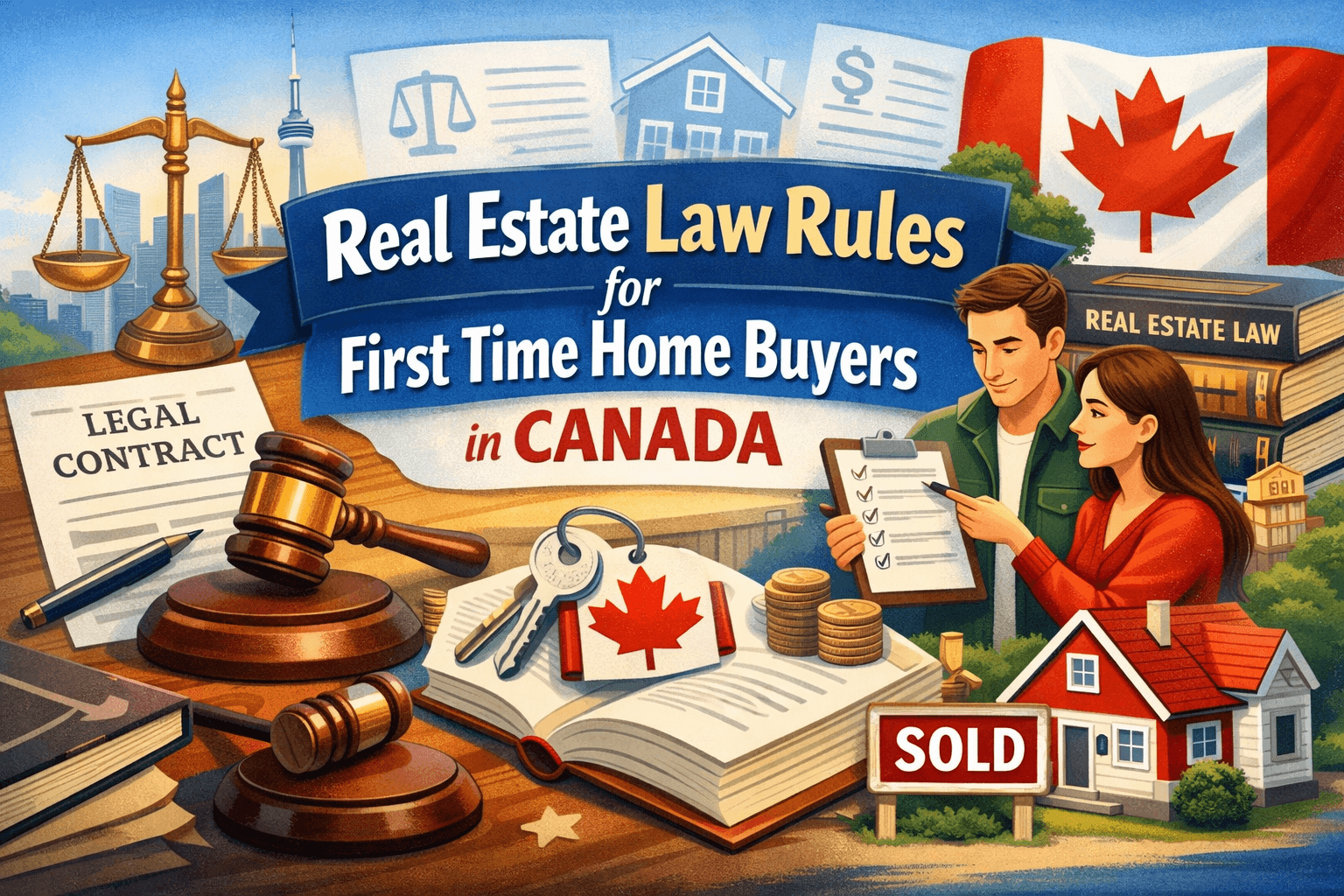
Real Estate Law Rules for First Time Home Buyers in Canada
Buying your first home in Canada is an exciting step, but it also comes with many legal rules that buyers must understand. Real estate law plays a key role in protecting buyers from risks and financial loss. Many first time buyers focus only on price and location, while legal details are often overlooked.
Canadian property laws are detailed and differ slightly by province. Understanding these laws early helps you avoid delays, penalties, and unexpected issues. This is where learning from Real Estate Law Experts through reliable information becomes helpful, as legal knowledge allows buyers to move forward with confidence instead of confusion.
Understanding Property Ownership Laws in Canada
In Canada, property ownership is regulated by both federal and provincial laws. When you purchase a home, you are not just buying a structure. You are also buying legal rights attached to the land. These rights include how the property can be used, sold, or transferred.
Each province maintains its own land registry system. This system records ownership details, liens, and other legal interests tied to the property. Before ownership changes hands, all records must be accurate and up to date. Any error in these records can create future legal trouble.
The Legal Meaning of a Purchase Agreement
A purchase agreement is a legally binding contract between the buyer and the seller. Once signed, both parties are expected to meet their obligations. First time buyers should understand that this document is not just a formality. It defines the price, conditions, timelines, and legal responsibilities.
Conditions within the agreement may include financing approval, home inspection results, and title review. If these conditions are not met within the agreed time, the buyer may have the right to withdraw. Missing deadlines or misunderstanding terms can result in financial loss.
Importance of Legal Conditions in the Offer
Conditions protect first time buyers from major risks. Financing conditions ensure the buyer can secure a mortgage. Inspection conditions allow buyers to identify hidden issues. Title conditions confirm that the seller has the legal right to sell the property.
Removing conditions without full understanding can be risky. Once conditions are waived, the buyer becomes legally committed. This means walking away later could lead to legal penalties or loss of the deposit.
Title Search and Ownership Verification
A title search is one of the most important legal steps in a real estate transaction. It confirms who legally owns the property and whether any claims exist against it. These claims may include unpaid taxes, construction liens, or legal disputes.
If title issues are discovered after purchase, the buyer could face serious problems. In some cases, buyers may not have full rights to use or sell the property. Proper legal review helps identify and resolve these issues before closing.
Understanding Deposits and Trust Accounts
When buying a home, buyers usually pay a deposit after the offer is accepted. This deposit shows commitment and becomes part of the purchase price. Legally, deposits are held in a trust account until the deal closes.
If a buyer fails to complete the purchase without a valid legal reason, the deposit may be forfeited. First time buyers should understand that deposits are not easily refundable once conditions are removed.
Mortgage Rules and Legal Obligations
Most first time buyers rely on mortgage financing. Canadian mortgage laws require buyers to meet lending criteria set by financial institutions. Buyers must also comply with federal stress test rules in many cases.
Mortgage agreements are legal contracts. Missing payments can lead to penalties, legal action, or even foreclosure. Understanding the legal terms of a mortgage helps buyers avoid long term financial trouble.
Closing Day Legal Requirements
Closing day is when ownership officially transfers from seller to buyer. On this day, legal documents are signed, funds are transferred, and the property title is registered in the buyer’s name.
Buyers must ensure all conditions are fulfilled before closing. This includes insurance coverage, mortgage funding, and final legal checks. Any mistake at this stage can delay ownership transfer or create additional costs.
Property Taxes and Ongoing Legal Duties
After purchase, homeowners must pay property taxes regularly. These taxes fund local services and are a legal obligation. Failure to pay can result in penalties or legal claims against the property.
Homeowners must also follow local bylaws and zoning rules. These laws control renovations, property use, and rental permissions. Ignoring these rules may lead to fines or legal disputes.
First Time Buyer Incentives and Legal Eligibility
Canada offers several programs for first time home buyers. These include tax credits, land transfer tax rebates, and shared equity programs. Each program has strict legal eligibility criteria.
Providing incorrect information or misunderstanding program rules can result in loss of benefits. Buyers should carefully review program requirements before relying on incentives during budgeting.
Legal Risks of Skipping Professional Review
Some first time buyers try to save money by skipping legal review. This approach often leads to higher costs later. Undetected contract issues, title problems, or zoning violations can create serious legal disputes.
Real estate law exists to protect buyers from these risks. A proper legal review ensures that buyers understand their rights and responsibilities before making a lifelong investment.
How Legal Awareness Helps First Time Buyers
Legal awareness empowers buyers to ask the right questions. It helps them recognize red flags and avoid rushed decisions. Buyers who understand the legal process are more confident and less likely to face surprises.
Real estate transactions involve large sums of money and long term commitments. Knowing the law helps buyers protect both their financial future and peace of mind.
Final Thoughts on Buying Your First Home in Canada
Buying your first home is a major milestone, but it should never be rushed. Canadian real estate law is designed to ensure fairness, transparency, and protection for buyers. Understanding these rules helps first time buyers make informed decisions.
Legal knowledge is not about complexity. It is about clarity. When buyers understand the legal framework behind property ownership, they reduce risk and increase confidence. With the right preparation and awareness, first time buyers can enjoy a smooth and secure home buying experience in Canada.







Post Comment