How to Build a TikTok Clone App: Features, Cost & Tech Stack Explained
The global popularity of short-form video platforms has transformed how users consume content, interact with brands, and build digital communities. Apps like TikTok have proven that users prefer quick, engaging, algorithm-driven videos over long-form content. This shift has opened a massive opportunity for startups, media companies, and enterprises to launch their own short-video platforms tailored to specific regions, industries, or audiences.
Building a TikTok clone is not about copying an app pixel by pixel. It is about recreating the core experience—seamless video creation, intelligent content discovery, and strong social engagement-while adding unique value. Businesses investing in tiktok clone app development aim to gain faster market entry, reduce experimentation risks, and capitalize on a proven business model.
What Is a TikTok Clone App and How It Works
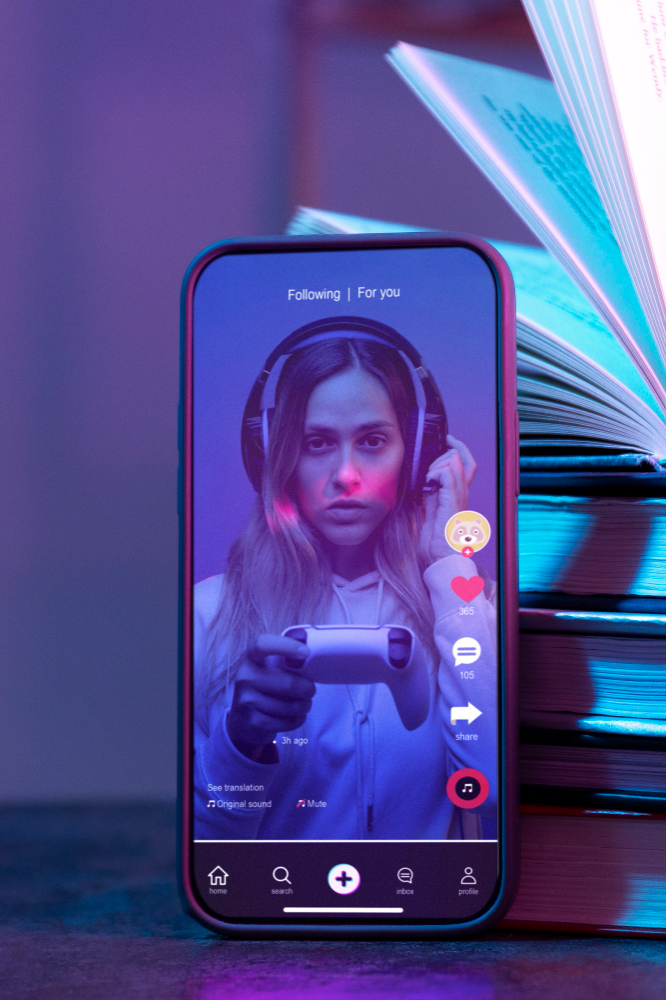
A TikTok clone is a short-video social networking application that allows users to record, edit, upload, and discover videos through an AI-driven feed. The app typically supports vertical videos, background music, filters, effects, hashtags, likes, comments, and follower-based engagement.
At a functional level, a tiktok like app development process focuses on three core workflows:
- Content creation, where users record or upload videos and enhance them with music and effects.
- Content distribution, powered by recommendation algorithms that personalize the feed.
- Social interaction, enabling users to like, comment, share, follow creators, and participate in trends.
These workflows together create a loop that keeps users engaged and drives high retention.
Key Business Use Cases for Building a TikTok Clone
Short-video platforms are no longer limited to entertainment. Businesses are adopting TikTok-style apps for multiple use cases. Media companies use them to launch regional entertainment platforms. Brands create niche short-video communities for fashion, fitness, education, or travel. Influencer networks use them to control monetization and creator relationships. Enterprises also deploy internal short-video apps for training and communication.
Because of these diverse use cases, modern tiktok clone app development emphasizes flexibility, scalability, and customization rather than a one-size-fits-all product.
Core Features Required to Build a Scalable TikTok Clone App
User Onboarding and Profile Management
A smooth onboarding experience is essential for user acquisition. The app should support multiple login options such as phone number, email, and social accounts. User profiles must display profile images, bio, follower and following counts, and uploaded videos. Privacy controls allow users to manage who can view or interact with their content.
Video Recording, Editing, and Upload
The heart of any TikTok clone is its video creation module. Users should be able to record videos directly within the app, adjust speed, apply filters, add transitions, and include background music. Advanced editing features like trimming, merging clips, voiceovers, and beauty filters significantly improve creator retention.
Music Library and Audio Integration
Music plays a critical role in short-video engagement. A robust audio library with licensed tracks, trending sounds, and user-generated audio is necessary. The app should allow users to reuse audio from existing videos, which helps trends spread organically across the platform.
AI-Powered Video Feed and Discovery
Recommendation algorithms drive the “For You” style feed. This feature analyzes user behavior such as watch time, likes, shares, and replays to deliver personalized content. A strong discovery engine is one of the most complex yet valuable components of tiktok like app development.
Social Engagement and Interaction
Engagement features include likes, comments, replies, mentions, hashtags, and sharing options. Duet and stitch-style features allow users to collaborate with existing videos, increasing content creation and platform stickiness.
Live Streaming and Real-Time Interaction
Many modern TikTok clones include live streaming to boost creator monetization and audience interaction. Live chats, virtual gifts, and moderation tools are essential for managing real-time content.
Notifications and User Retention Tools
Push notifications inform users about new followers, comments, trending videos, and live sessions. Smart notification strategies help re-engage inactive users without overwhelming them.
Admin Panel and Content Moderation
From a business perspective, the admin dashboard is critical. It allows platform owners to manage users, monitor content, control monetization, analyze performance metrics, and enforce community guidelines. AI-assisted moderation combined with manual review ensures platform safety and compliance.
Advanced Features That Differentiate a TikTok Clone
To stand out in a competitive market, many businesses go beyond basic features. Advanced options include AI-based content moderation, multi-language support, regional content feeds, creator analytics dashboards, brand collaboration tools, and in-app advertising management systems. These features add long-term value and open multiple revenue streams.
Technology Stack for TikTok Clone App Development
Frontend Technologies
The frontend must deliver a smooth, responsive, and visually rich experience. For mobile apps, Flutter and React Native are popular for cross-platform development, while Swift is used for iOS and Kotlin for Android. These technologies ensure high performance and native-like user experience.
Backend Technologies
The backend handles user data, video processing, feeds, and notifications. Node.js, Python, and Java are commonly used for scalable backend development. Frameworks like Express or Django help structure APIs efficiently.
Database and Storage
Short-video platforms generate massive volumes of data. NoSQL databases such as MongoDB or Cassandra are often used for user activity and feed data. Cloud storage solutions like AWS S3 or Google Cloud Storage manage video files securely and efficiently.
Video Processing and Streaming
Video compression, transcoding, and streaming are crucial. Technologies such as FFmpeg, AWS Media Services, and CDN networks ensure fast upload, minimal buffering, and high-quality playback across devices.
AI and Machine Learning
Recommendation engines rely on machine learning models built using tools like TensorFlow or PyTorch. These models analyze user behavior to improve feed relevance and engagement over time.
Cloud Infrastructure and DevOps
Scalability is achieved through cloud platforms like AWS, Google Cloud, or Azure. Kubernetes and Docker are used for containerization, while CI/CD pipelines ensure smooth updates and feature releases.
Step-by-Step Process to Build a TikTok Clone App
Product Discovery and Requirement Analysis
The first step involves defining the target audience, monetization strategy, and feature scope. This phase ensures the app aligns with business goals and market demand.
UI/UX Design and Prototyping
Designers create wireframes and interactive prototypes to visualize user journeys. A clean, intuitive interface is critical for reducing drop-offs and improving content consumption.
App Development and Integration
During this phase, frontend and backend development happen in parallel. APIs are integrated, video modules are implemented, and third- party services such as payment gateways or analytics tools are connected.
Quality Assurance and Testing
Extensive testing ensures the app performs well under high traffic, handles video uploads smoothly, and remains secure. Load testing is particularly important for tiktok clone app development due to heavy media usage.
Deployment and App Store Launch
After testing, the app is deployed to cloud servers and submitted to app stores. Compliance with platform guidelines and data protection regulations is essential.
Post-Launch Support and Scaling
Continuous monitoring, feature updates, and performance optimization help the app scale as the user base grows.
Cost Breakdown of Building a TikTok Clone App
The cost of developing a TikTok clone depends on several factors, including feature complexity, technology stack, and development region. A basic version with core features may cost between $5,000 and $12,000. A mid-level app with AI recommendations, live streaming, and advanced moderation can range from $12,000 to $20,000. Enterprise-grade platforms with custom algorithms, global scalability, and monetization tools can exceed $25,000+.
Ongoing costs such as cloud hosting, content delivery, maintenance, and updates should also be considered in the long-term budget.
Monetization Strategies for a TikTok Clone App
Revenue generation is a major goal of tiktok like app development. Common monetization models include in-app advertising, brand partnerships, influencer marketing tools, virtual gifts during live streams, subscription plans, and premium creator features. A diversified monetization strategy ensures stable revenue growth.
Legal, Security, and Compliance Considerations
Short- video platforms must comply with data protection laws, copyright regulations, and regional content policies. Implementing strong security measures, user reporting systems, and transparent privacy policies protects both users and platform owners.
Conclusion
Building a TikTok clone app is a strategic move for businesses aiming to enter the booming short-video market with reduced risk and faster time to market. Successful tiktok clone app development requires more than replicating features—it demands a scalable architecture, intelligent recommendation systems, strong moderation, and a clear monetization plan. By choosing the right technology stack, defining a clear niche, and focusing on user experience, businesses can launch a powerful short-video platform that competes effectively in today’s digital landscape.
Frequently Asked Questions
How long does it take to build a TikTok clone app?
The development timeline typically ranges from 4 to 6 months for a feature-rich application, depending on customization, team size, and testing requirements.
Is a TikTok clone suitable for niche markets?
Yes, many businesses successfully launch niche-focused platforms for education, fitness, regional entertainment, or professional communities using a TikTok-style model.
Can a TikTok clone support millions of users?
With the right cloud infrastructure, CDN integration, and scalable backend, a TikTok clone can handle millions of concurrent users.
What makes tiktok like app development complex?
The most complex elements are video processing, AI-based recommendations, and real-time scalability, all of which require careful technical planning.
Is post-launch maintenance necessary?
Yes, continuous maintenance, security updates, feature enhancements, and performance optimization are essential for long-term success.





Post Comment