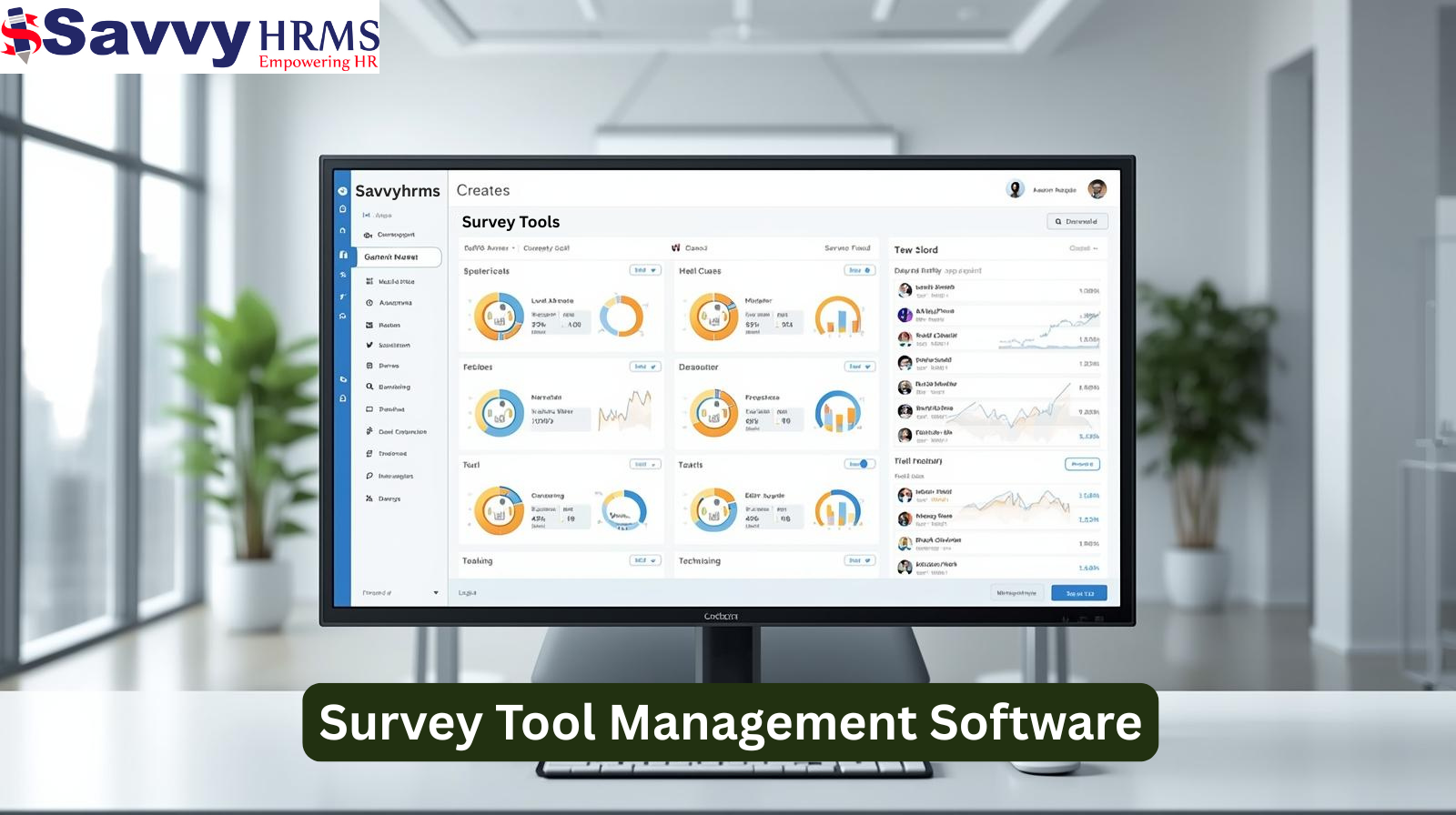
How Survey Management Software Transforms Employee Engagement
Employee engagement has become one of the most critical factors that shape the success of any organisation. Engaged employees bring energy, creativity and ownership to their roles. They are more committed, more productive and more aligned with the company’s goals. To build such an environment, organisations must listen to their people consistently and thoughtfully. This is where survey tool management software becomes a powerful engine for transformation.
A survey tool built into management software helps companies understand the real experiences of their workforce. It captures feedback, identifies patterns, highlights issues and provides direction for improvement. The insights gained play a major role in improving engagement by making employees feel heard, respected and valued.
This article explains how survey management software becomes a central force in shaping engagement, culture and performance while offering a structured, human approach to listening and responding.
Why This Title Matters
The title “How Survey Management Software Transforms Employee Engagement” is justified because this technology creates a direct path between feedback and engagement. Surveys capture real feelings. Management software analyses that feedback. The resulting actions help employees feel seen and supported. In short, the survey tool is not just a form collecting queries. It serves as a foundation for transparency, trust and involvement. These are the core ingredients of engagement. Throughout this article you will see how the features and applications of survey management tools create measurable improvements in employee experience and organisational alignment.
What Is Survey Management Software
Survey management software is a structured digital system that enables organisations to create surveys, distribute them to the right people, gather responses, analyse results and take meaningful action. Instead of disconnected spreadsheets or scattered feedback forms, everything is centralised and organised.
Its role is not limited to collecting data. It helps in building a cycle of continuous improvement that supports employee engagement at every level. When people share their honest thoughts and see changes happen, they feel connected to the organisation’s growth.
Key functions typically include:
-
Creating various types of questions including ratings, scales, multiple choice and open comments
-
Customising who participates in each survey
-
Running multiple surveys at the same time
-
Providing real time dashboards and visual insights
-
Supporting anonymity to encourage honest feedback
-
Tracking changes over time
-
Allowing easy exports and reporting
-
Ensuring security and privacy
These features transform feedback into a reliable decision making tool.
How Survey Management Software Enhances Employee Engagement
1. Giving Employees a Voice
One of the strongest drivers of engagement is the feeling of being heard. Employees care deeply about their work environment, leadership quality, growth opportunities and day to day challenges. When they receive structured opportunities to share feedback, it builds trust.
A survey tool allows organisations to run targeted surveys on topics such as culture, communication, workload, recognition and more. Employees feel empowered when their ideas and concerns are captured consistently. This involvement builds a sense of belonging and emotional connection with the organisation.
2. Building a Culture of Transparency
Engagement increases when employees trust their leadership. Surveys encourage open communication by allowing people to express their genuine thoughts without fear. Anonymous surveys strengthen this relationship further by removing hesitation.
Once responses are analysed and shared openly, people see that leadership values honesty. When employees believe that their voice matters, engagement naturally rises.
3. Encouraging Continuous Improvement
Engagement does not improve through one time initiatives. It grows through regular, meaningful action. Survey management software helps organisations adopt a repetitive cycle:
Ask
Analyse
Act
Review
This cycle ensures that concerns do not go unnoticed. Teams receive the support they need, and small issues are resolved early before they turn into bigger problems. This consistent improvement makes the workplace more supportive and engaging.
4. Identifying Hidden Challenges
Sometimes the biggest barriers to engagement are not visible on the surface. Surveys reveal underlying issues such as unclear communication, lack of recognition, overwhelming workload or gaps in team collaboration.
By reviewing survey results through dashboards, leaders can spot patterns and take action. Early detection helps maintain morale and prevent disengagement.
5. Strengthening Manager Employee Relationships
Managers play a decisive role in shaping the daily experience of employees. Survey tools allow team wise filtering of responses. This helps managers understand what their team needs, what motivates them and what discourages them.
When managers act on feedback, trust improves. Employees feel respected and supported, which significantly boosts engagement.
6. Enhancing Recognition and Support Systems
Engaged employees feel appreciated. Surveys often reveal that people want more acknowledgement for their efforts. They may also highlight the need for better training, clearer career paths or more resources.
Using these insights, HR and leadership can design initiatives that directly respond to employee needs. When employees see meaningful changes, their commitment grows.
7. Making Engagement Measurable
Engagement is emotional, but it becomes actionable when measured. Survey management software offers charts, ratings, trend lines and comparisons to reveal whether engagement is rising or falling.
With this data, organisations can track progress, test strategies and refine approaches. Measuring engagement frequently guides better decisions.
Features That Drive Employee Engagement
Multi Survey Capability
To build continuous engagement, organisations need different surveys such as onboarding, pulse, engagement, exit and training feedback. Survey management software supports all of these without confusion.
Targeted Audience Selection
Sending relevant surveys to the right employees improves participation and ensures meaningful insights.
Question Variety
Different engagement topics require different question formats. A mix of scales and open comments ensures deeper understanding.
Scheduling and Automation
Automated scheduling ensures regular communication. This predictable rhythm builds consistency in your engagement strategy.
Mobile Accessibility
Employees can respond even when they are traveling, working remotely or on the move. Higher convenience increases response rates.
Analytics and Reports
Visual dashboards reveal strengths and weaknesses across teams. Insights help leaders take timely actions that enhance engagement.
Data Security
Confidentiality is essential for honest engagement. Secure systems build confidence and encourage openness.
How Survey Tools Support the Entire Employee Journey
Onboarding Experience
New hires can share early experiences. This helps HR refine onboarding and create a welcoming environment.
Workplace Culture Tracking
Pulse surveys show how employees feel about values, leadership, collaboration and communication.
Performance and Development Insights
Surveys can reveal training needs, skill gaps and resource requirements. This supports growth and engagement.
Recognition and Motivation
Feedback helps identify achievements and areas where employees deserve more appreciation.
Exit Feedback
Understanding why employees leave gives insight into systemic issues that impact engagement.
Avoiding Common Mistakes That Hurt Engagement
Sending Too Many Surveys
When surveys become burdensome, participation drops. Balance is key.
Ignoring Feedback
If no action follows feedback, employees lose trust. Always communicate outcomes and next steps.
Poor Question Design
Unclear or biased questions lead to misleading insights. Testing surveys helps maintain accuracy.
Not Protecting Anonymity
Without privacy, employees may avoid sharing the truth. Keep responses confidential when needed.
How Survey Management Software Creates Real Transformation
The real transformation comes when data turns into action. Survey tools make it easy to translate opinions into decisions. By responding to real employee needs, organisations create workplaces where people feel supported and motivated. This leads to:
-
Higher productivity
-
Better communication
-
Reduced turnover
-
Stronger team relationships
-
Improved organisational culture
When employees see that their voice leads to visible improvement, engagement rises naturally.
How to Begin with Survey Management Software
-
Start with a simple pilot survey
-
Explain the purpose to employees
-
Launch the survey and encourage participation
-
Analyse results through dashboards
-
Share findings openly
-
Implement improvements
-
Run follow up surveys
-
Scale engagement programs across the organisation
This step by step approach builds trust and helps employees feel like active contributors to the company’s growth.
Final Thoughts
Employee engagement is not about providing perks or hosting occasional events. It is built through listening, understanding and acting. Survey management software helps organisations achieve all three with structure and clarity. When employees feel heard, respected and involved, they naturally give their best.
If you want to transform your organisation and create a workplace where engagement thrives, now is the time to explore an effective survey management solution.







Post Comment