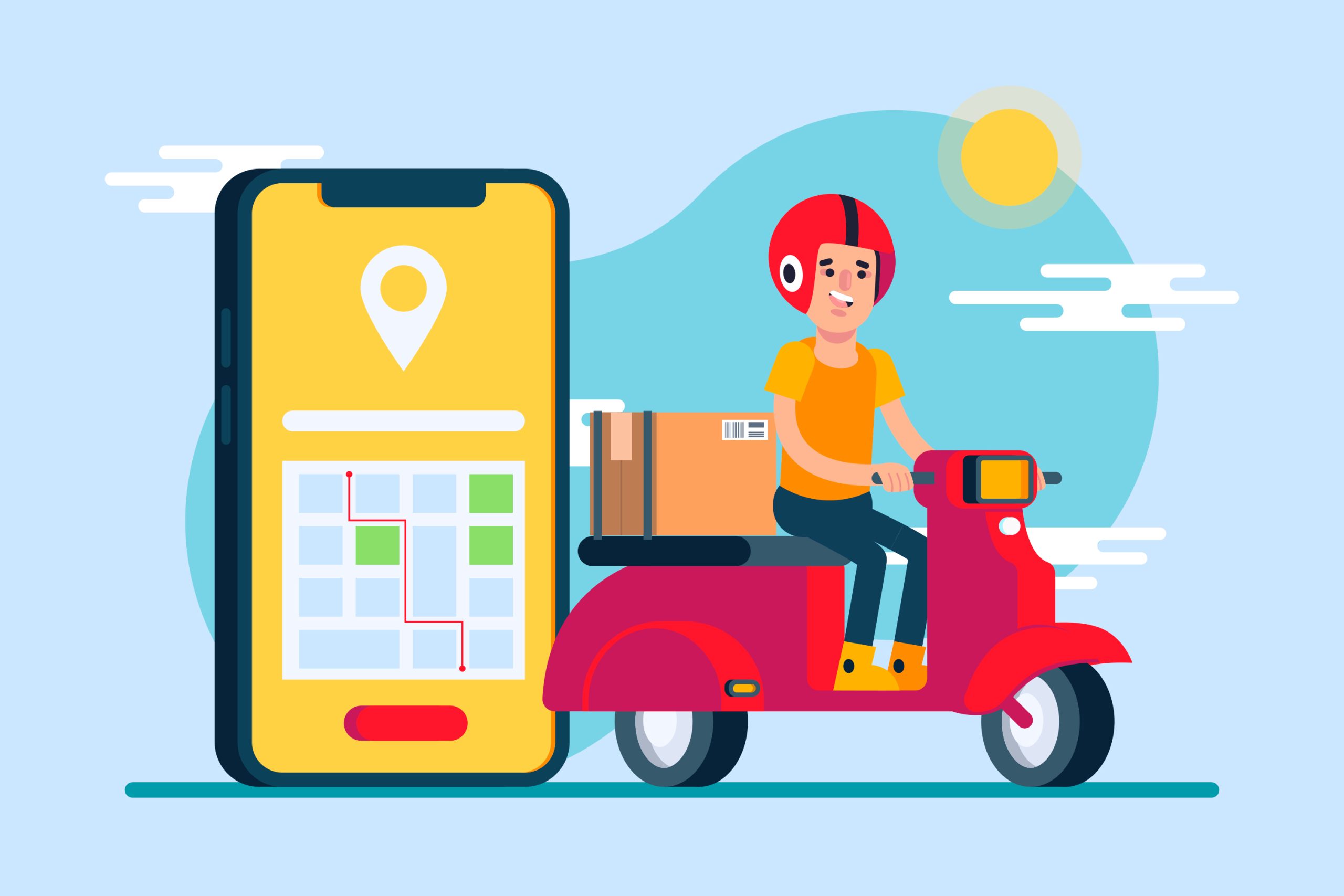
Complete Guide to Delivery App Development 2025
If you’re not building a delivery app in 2025, you’re already behind the curve. With on-demand services exploding in popularity, now is the perfect time to learn how to develop a delivery app fast and smart. Whether you’re a business owner, a startup founder, or a developer looking to cash in on the mobile app gold rush, this is the only guide you’ll ever need to make it big in the app economy.
Why Delivery Apps Are Taking Over in 2025
Let’s face it — people want everything fast, cheap, and at their doorstep. That’s exactly why delivery apps are growing at lightning speed. From food and groceries to medicines and electronics, users are relying on apps more than ever.
In fact:
- The global delivery app market is projected to hit $401 billion by 2027
- Over 70% of mobile users have at least one delivery app installed
- Businesses with delivery options see 2x higher revenue growth
Still wondering if you should build your own app? The answer is yes, and you should do it now.
Key Benefits of Developing a Delivery App
Developing a delivery app in 2025 isn’t just a trend — it’s a money-making machine. Here’s why:
- 24/7 availability: Make money while you sleep
- Direct access to customers: Build brand loyalty like never before
- Lower operating costs: Say goodbye to middlemen
- Real-time tracking and updates: Give users peace of mind
If you’re asking, “How can I make a delivery app that stands out?” — keep reading, because this guide will break it all down for you.
Step-by-Step: How to Develop a Delivery App in 2025
Let’s dive into the juicy part: how to develop a delivery app that actually works.
Step 1: Identify Your Niche and Audience
The first step is to determine your niche. Are you targeting food delivery, medicine delivery, or same-day courier services? The more specific you are, the better.
Hot tip: Niching down helps with marketing and ranking on Google faster. For example, “hyperlocal food delivery app” is way more searchable than just “delivery app.”
Step 2: Decide on Your Business Model
Common business models for delivery apps include:
- Aggregator model (like Uber Eats)
- Marketplace model (multiple vendors)
- Single store model (one brand, full control)
Each has pros and cons, so choose the one that aligns with your goals.
Step 3: Define Key Features (Users Love These!)
Your delivery app needs to have the following features to stay competitive in 2025:
- User registration/login
- Real-time tracking
- Order placement and history
- In-app payments
- Driver or delivery partner panel
- Push notifications
Want to blow the competition out of the water? Add features like:
- AI-powered delivery time estimates
- Voice-enabled ordering
- Loyalty programs and promo codes
Tech Stack to Use in 2025 (Build Fast and Scale)
To develop a delivery app fast and efficiently, use the following tech stack:
- Frontend: Flutter or React Native (cross-platform development)
- Backend: Node.js or Django with MongoDB or PostgreSQL
- APIs: Google Maps for geolocation, Firebase for real-time updates
- Payment: Stripe, Razorpay, or PayPal integration
Using these technologies ensures your app is scalable, secure, and speedy — just what today’s users demand.
Design Matters: Create a UI That Converts
Let’s not forget: a good-looking app = more downloads.
Here’s what you need:
- Clean layout with minimal taps
- Clear CTAs like “Order Now” or “Track Delivery”
- Mobile-first design approach
- Light/dark theme support
Use UX writing that encourages action. Phrases like “Get it now,” “Hurry up,” and “Limited time offer” can skyrocket your engagement.
How to Make Money from Your Delivery App
Sure, you want to help people get their stuff faster — but let’s be honest, you also want to make money online. Here are monetization options that work:
- Delivery charges
- Surge pricing during peak hours
- Subscription plans (monthly/yearly)
- Banner ads and sponsored listings
- Vendor commissions
With the right setup, your app could be printing cash 24/7.
Optimize for Search (SEO & ASO Secrets for 2025)
Want your app to rank on Google AND the App Store? You’ll need to follow best practices for SEO and ASO (App Store Optimization).
Blog SEO checklist:
- Use keywords like “delivery app development 2025,” “make delivery app fast,” “best app to build delivery service”
- Include internal links to your website/services
- Use structured headers (H1, H2, H3)
- Add schema markup (FAQ, app info, etc.)
ASO checklist:
- Use keywords in app title and description
- Upload engaging screenshots and demo videos
- Collect early reviews and ratings
- Promote through social media, press releases, and email blasts
Remember, SEO + ASO = unstoppable growth.
Mistakes That Kill Delivery Apps (Avoid These!)
Don’t waste your time and money by making these rookie mistakes:
- Skipping market research
- Launching without an MVP
- Overloading the first version with too many features
- Ignoring performance testing
- Poor customer support
Pro tip: Focus on a killer MVP, launch it, gather feedback, and then improve.
Trends in Delivery App Development 2025
Stay ahead by integrating these futuristic trends:
- Drone deliveries in urban areas
- AI route optimization for faster service
- Blockchain for secure transactions
- Hyper-personalized recommendations
- Eco-friendly delivery options
Users are more conscious in 2025 — so apps that align with their values will win big.
Conclusion: It’s Time to Launch Your Delivery App
Now that you’ve gone through this complete guide to delivery app development in 2025, you’re ready to take action. Don’t overthink it — the perfect time to start is right now. Whether you’re planning to develop a delivery app fast or you’re playing the long game, this guide has given you the blueprint.
- Identify your niche
- Build with the right tech
- Include must-have features
- Monetize smartly
- Optimize for SEO and ASO
- Scale with confidence






Post Comment