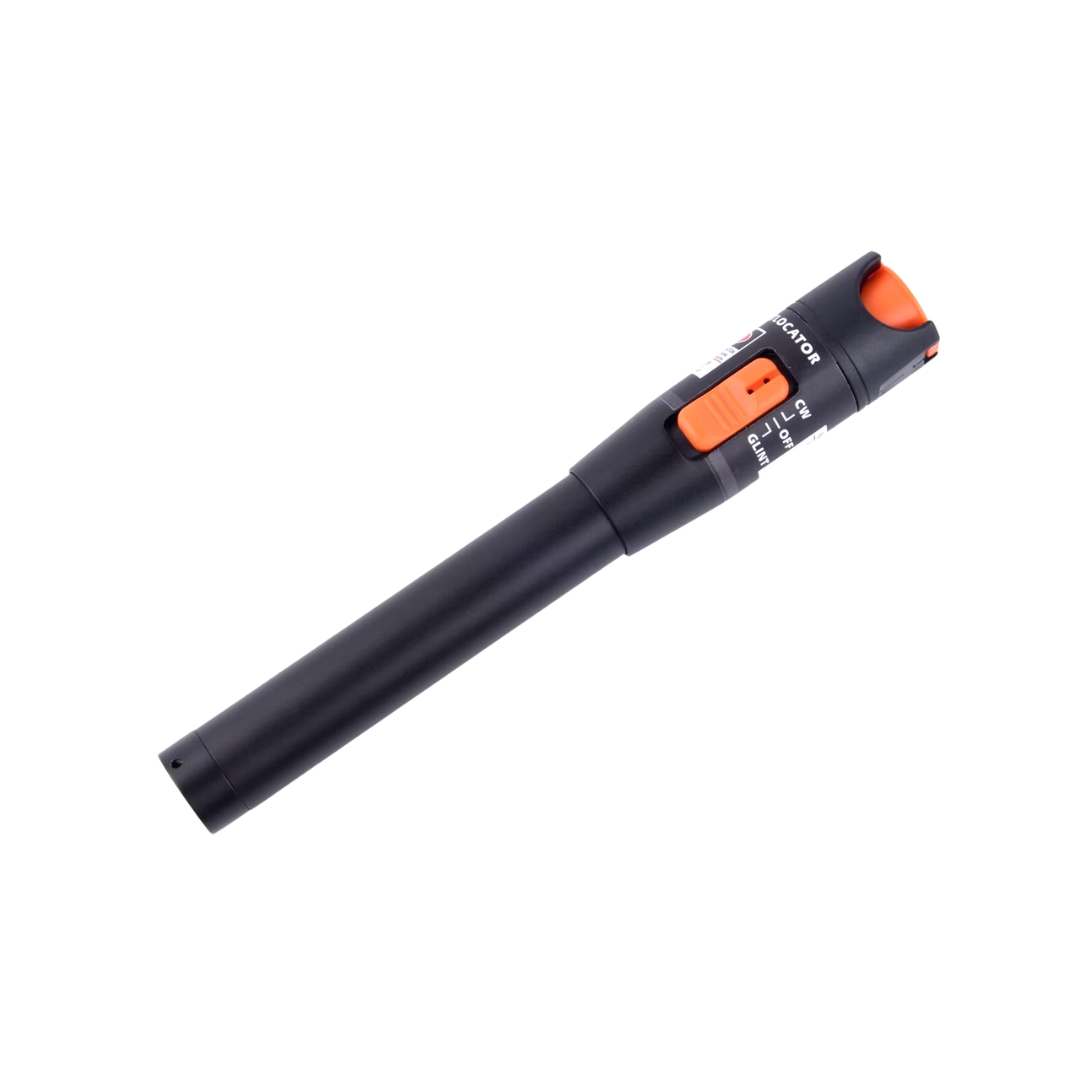
Can a laser pen really cut through objects like in sci-fi movies?
The idea of a laser pen cutting through objects, much like scenes in sci-fi movies, is an intriguing one. Many people assume that because lasers in films can slice through metal and other materials effortlessly, a small handheld laser pen might have similar capabilities. However, the reality is quite different from cinematic depictions.
A laser pen is primarily designed for pointing purposes, presentations, astronomy, and in some cases, simple experiments. These devices emit a focused beam of light that is visible over long distances, making them useful for various applications. The light produced by a laser pen can be intense, but it does not possess the energy levels required to cut through solid materials.
The Science Behind a Laser Pen
A laser pen operates based on the principle of light amplification by stimulated emission of radiation (LASER). It produces a highly concentrated beam of light that stays narrow over long distances. Unlike traditional light sources, a laser pen emits a coherent beam, meaning all the light waves are synchronized and travel in the same direction. This property allows a laser pen to appear more powerful than an ordinary flashlight.
However, the intensity of a laser beam depends on various factors, such as:
- Wavelength: The color of the light determines how the beam interacts with different surfaces. Green lasers (532 nm) appear brighter to the human eye than red lasers (650 nm), but brightness does not equate to cutting ability.
- Power Output: A standard laser pen used for presentations typically has a power output of less than 5mW (milliwatts). Higher-power lasers do exist, but they require safety measures due to their potential hazards.
- Focus and Beam Divergence: The ability of a laser to focus on a small point influences how much energy is concentrated on a particular spot. Even with high focus, a laser pen lacks the energy to melt or cut through objects.
Why a Laser Pen Cannot Cut Through Objects
A common misconception is that a laser pen can burn or cut through materials like wood, plastic, or metal. While some high-powered lasers, such as industrial cutting lasers, can achieve this, a regular laser pen does not have sufficient energy for such tasks.
1. Power Output Limitation
Laser cutting machines used in industrial applications operate at power levels ranging from a few watts to several kilowatts. In contrast, a laser pen designed for everyday use has a power output below 5mW, making it far too weak to generate enough heat for cutting.
2. Heat Dissipation
For a laser pen to cut through an object, it must deliver sustained energy that increases the temperature of the material beyond its melting or vaporization point. The small size and low energy of a laser pen prevent this from happening.
3. Beam Interaction with Materials
Even if a laser pen is directed at a surface for an extended period, the material’s heat dissipation properties ensure that the temperature does not rise to a level where cutting can occur. Materials like metal reflect most of the laser light, while organic materials dissipate heat too quickly.
What a High-Powered Laser Can Do
Although a regular laser pen cannot cut objects, higher-powered lasers (above 500mW) can burn certain materials, such as paper or thin plastics. However, these lasers are classified as hazardous and are subject to legal restrictions in many countries.
Unlike a laser pen, which is intended for safe use, high-powered lasers require safety precautions, including protective eyewear and controlled environments. The potential risks of high-powered lasers include:
- Eye injuries from direct or reflected exposure
- Skin burns from prolonged contact
- Fire hazards if directed at flammable materials
Common Misconceptions About a Laser Pen
Because of how lasers are portrayed in media, many people develop unrealistic expectations about what a laser pen can do. Some common myths include:
-
Myth: A laser pen can ignite objects instantly.
- Reality: A standard laser pen does not produce enough heat to cause combustion. Only specialized lasers with high power can ignite certain materials.
-
Myth: A laser pen is dangerous at any distance.
- Reality: While direct exposure to the eye can be harmful, a typical laser pen used properly is safe for presentations and general use.
-
Myth: All laser pens are the same.
- Reality: Laser pens come in different wavelengths and power levels, with green lasers appearing brighter than red lasers due to human eye sensitivity.
Proper Usage and Safety of a Laser Pen
Although a laser pen is not powerful enough to cut through objects, it is still a precision tool that should be used responsibly. Misuse, such as shining a laser pen directly into someone’s eyes or at aircraft, can cause harm and may be illegal in many regions.
To use a laser pen safely:
- Never point it at people or animals. Even low-powered lasers can cause eye irritation or damage.
- Avoid directing the beam at reflective surfaces. This can cause the light to scatter unpredictably, leading to accidental exposure.
- Store it safely when not in use. Keeping a laser pen out of reach of children prevents misuse.
- Check local regulations. Some countries restrict the sale and use of high-powered lasers.
Concluded
While a laser pen can create a bright and focused beam of light, it does not possess the energy levels required to cut through objects like in sci-fi movies. The lasers used in cutting applications operate at much higher power levels and require special conditions to function effectively. A laser penstrap






Post Comment