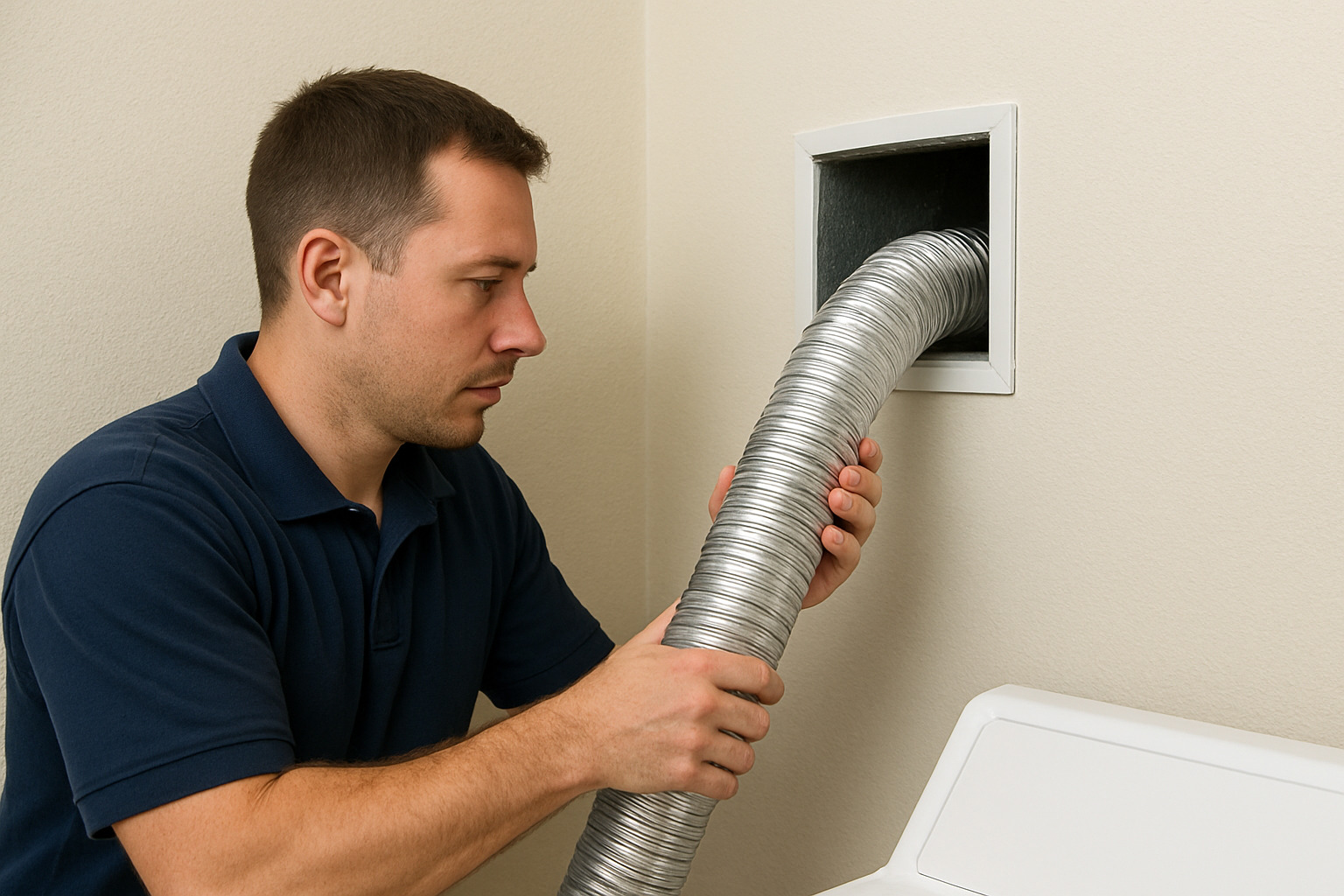
When Should You Clean After Dryer Vent Hose Installation?
Dryer vent hoses are designed to channel warm, moist air and lint safely out of a home, reducing risks of overheating, poor airflow, and fire hazards. Once a new vent hose is installed, many homeowners assume that maintenance is no longer a concern. However, cleaning remains an important responsibility that prevents blockages and extends the life of both the dryer and venting system. Knowing when to schedule cleaning is critical for energy efficiency, safety, and long-term system performance after Dryer Vent Hose Installation.
Why It Matters?
Regular cleaning after installation is essential because lint naturally accumulates in vent hoses, ducts, and connectors. Even a new setup begins collecting debris during the first cycles of laundry. This buildup not only reduces airflow but also increases drying time, raising energy bills. Excess lint trapped inside ducts can overheat, becoming a major fire hazard. According to safety standards, dryers should always vent outside, but if the path becomes restricted, moisture can leak into walls or floors, causing structural damage and mold growth. Cleaning ensures that the system operates as designed and keeps the home safe.
What Common Problems Happen If Cleaning Is Delayed?
When cleaning is ignored, several problems quickly emerge. The most common is lint accumulation that clogs the vent pipe and restricts air movement. This forces the dryer to work harder, putting strain on heating elements and motors. In some cases, lint escapes into the laundry area, reducing indoor air quality. Moisture buildup can also cause mold growth inside ducts, especially in flexible hoses with bends. Poorly maintained vent systems may damage clothes, as high heat and restricted airflow reduce fabric life. Eventually, the lack of cleaning leads to complete blockages, which may trigger overheating or even fire incidents.
What Key Benefits Come From Timely Cleaning?
Timely cleaning delivers multiple benefits beyond safety. First, it keeps airflow unrestricted, ensuring clothes dry faster and with less energy use. This improves the performance of dryers, whether gas or electric, while lowering utility costs. Second, regular cleaning extends the lifespan of hoses, ducts, and dryer components by reducing mechanical stress. Third, it enhances indoor air quality by preventing dust, lint, and mold particles from circulating into the home. For multi-story houses or properties with long duct runs, cleaning ensures proper exhaust, preventing backflow into the living space. Finally, scheduled cleaning supports warranty compliance with some manufacturers.
How Much Does Dryer Vent Cleaning Cost?
The cost of cleaning varies based on hose length, duct accessibility, and whether roof or wall vents are involved. Below is an overview:
|
Service Type |
Average Cost Range |
|
Basic vent cleaning |
$80 – $150 |
|
Full duct cleaning with inspection |
$150 – $250 |
|
Roof vent or hard-to-reach duct cleaning |
$200 – $350 |
|
Vent hose replacement plus cleaning |
$120 – $200 |
|
Commercial dryer vent cleaning |
$200 – $500 |
Disclaimer: Prices differ by location, contractor rates, and the complexity of the system. Always confirm with local providers before scheduling service.
What Key Features Should Be Checked During Cleaning?
A professional or homeowner should focus on certain key areas during vent cleaning. The vent hose itself should be inspected for bends, kinks, or holes that restrict airflow. Clamps and connections at both the dryer and wall exhaust should be tightened and resealed if needed. The duct pipe, whether rigid or flexible, must be cleared of lint using specialized tools or brushes. Vent covers outside the house should open freely without obstruction and should be checked for pest intrusion or debris. The cleaning process should also include checking for moisture damage inside walls or floors that may indicate leaks or blockages.
“The best time to clean after installation is within the first year, then at least once annually to prevent dangerous lint buildup.”
FAQs
How soon should the first cleaning be scheduled after installation?
Experts recommend scheduling the first cleaning within 12 months after installation, even for brand-new hoses, because lint buildup starts immediately.
Can homeowners clean dryer vents themselves?
Yes, homeowners can use vent cleaning kits, brushes, and vacuums. However, professionals have specialized tools for longer duct runs and roof exhausts.
What are warning signs that cleaning is overdue?
Longer drying times, hotter laundry rooms, burning smells, and visible lint around vent openings all indicate that cleaning is needed.
Do flexible and rigid hoses need different cleaning approaches?
Yes. Flexible hoses are more prone to lint accumulation in ridges and bends, while rigid ducts allow smoother airflow but still require brushing and vacuuming.
Is cleaning needed for both residential and commercial systems?
Absolutely. Commercial dryer vent systems, especially in laundromats or large buildings, require more frequent cleaning due to heavier use.
Conclusion
Cleaning after dryer vent hose installation is not optional; it is a necessary part of long-term maintenance that protects homes, equipment, and energy efficiency. While a new hose may appear clean, lint buildup begins with the very first laundry cycles. Scheduling cleaning within the first year and annually thereafter ensures optimal airflow, faster drying times, lower energy bills, and reduced fire risks. Whether handled through DIY methods or professional services, timely cleaning safeguards both property and personal safety, making it an essential step in proper vent system care.
Read More: Dryer Vent Cleaning Houston








Post Comment