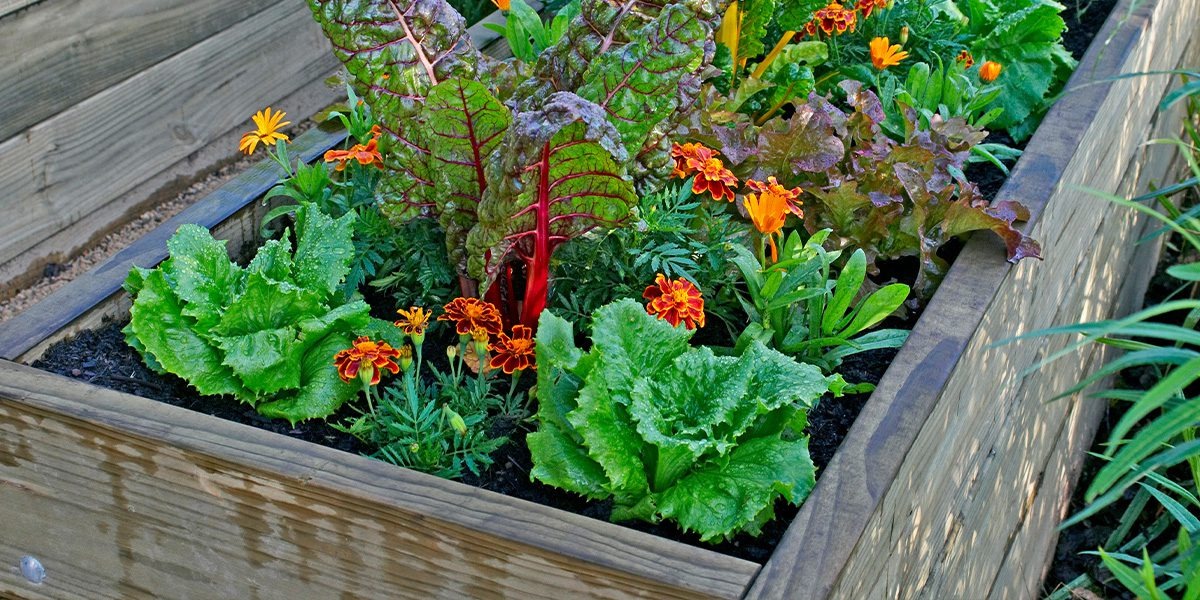
What Vegetables Grow Best in a Raised Planter Box?

Raised planter boxes have become a favorite for home gardeners, and it’s easy to see why. They’re easy to maintain, offer better soil control, and make planting and harvesting less of a backache. But one of the most common questions new gardeners ask is: What grows best in a raised planter box?
Even though herbs and tomato planter boxes are more common garden features, many vegetables thrive in this type of setup, especially those that love loose soil, good drainage, and a little extra care.
Leafy Greens
If you’re new to raised bed gardening, leafy greens are a great place to start. Varieties like lettuce, spinach, kale, arugula, and Swiss chard grow quickly and don’t need a lot of space.
These vegetables have shallow roots and are well-suited to raised beds with just 6 to 8 inches of soil. They also prefer cooler weather, so you can grow them early in the spring or again in the fall.
Because raised beds warm up faster than ground soil, you may even get a head start on the season. Plus, the improved drainage helps prevent rot and disease, common with greens.
Root Vegetables
One of the biggest benefits of a raised garden planter box is that you control the soil structure. That’s exactly what root vegetables need. Loose, deep soil helps roots expand without resistance.
Vegetables like carrots, radishes, beets, and turnips are ideal for this environment. Carrots, in particular, benefit from soft, rock-free soil, which is much easier to achieve in a raised bed than in a traditional garden.
Use a deeper planter of about 10 to 12 inches or more for longer root crops like carrots or parsnips. Shorter roots, like radishes, are fine with shallower beds. The key is avoiding compact soil and ensuring the bed drains well.
Herbs
Fresh herbs are another perfect match for raised beds. Varieties like basil, parsley, cilantro, thyme, and oregano don’t take up much room and are easy to grow.
Most herbs have shallow roots and thrive in loose, well-draining soil. Raised beds also make it easier to harvest herbs regularly, which helps them grow bushier and more productive.
You can even line the edges of your planter with herbs to make better use of space and allow for quick snipping when you’re cooking.
Tomatoes and Peppers
Tomatoes and peppers love warm soil, good drainage, and consistent watering, which a raised garden planter box provides naturally. These heat-loving vegetables do best when planted in full sun and benefit from soil that doesn’t stay soggy.
Tomatoes, in particular, are heavy feeders and may need compost or organic fertilizer mixed into the soil. Adding calcium (like crushed eggshells) can help prevent blossom-end rot. Both tomatoes and peppers may need support stakes or cages as they grow.
Using a raised tomato planter bed also give you more control over spacing, which helps prevent overcrowding and disease spread.
Bush Beans and Peas
For gardeners with limited space, bush varieties of beans and peas are excellent options. They stay compact, produce well, and don’t require much soil depth.
Beans like warmer soil, while peas prefer cooler conditions, so you can rotate between them based on the season. Using a simple trellis or netting at the back of the planter allows you to grow vertically and save space.
Zucchini and Cucumbers (Bonus Picks)
If you have a larger raised bed or one set against a wall or fence, zucchini and cucumbers can be excellent additions. These plants are known for their productivity, and with the right support, they can be trained to grow vertically to save space.
Vining cucumbers love to climb and do well with trellises. Bush varieties of zucchini stay more compact but still need a bit of room to spread. Just be mindful of spacing so they don’t crowd out neighboring plants.
What to Avoid or Handle with Care
Not every vegetable is ideal for raised beds. For example, corn requires more room for wind pollination and tends to grow too tall for smaller boxes. Potatoes can work, but they need deeper soil and regular hilling, which may be tough to manage in a shallow box. Large, sprawling squash varieties can also overwhelm a small planter unless you’re willing to prune and trellis aggressively.
Focus on good soil, proper spacing, and regular watering, and your raised bed will soon be producing fresh, homegrown food.






Post Comment