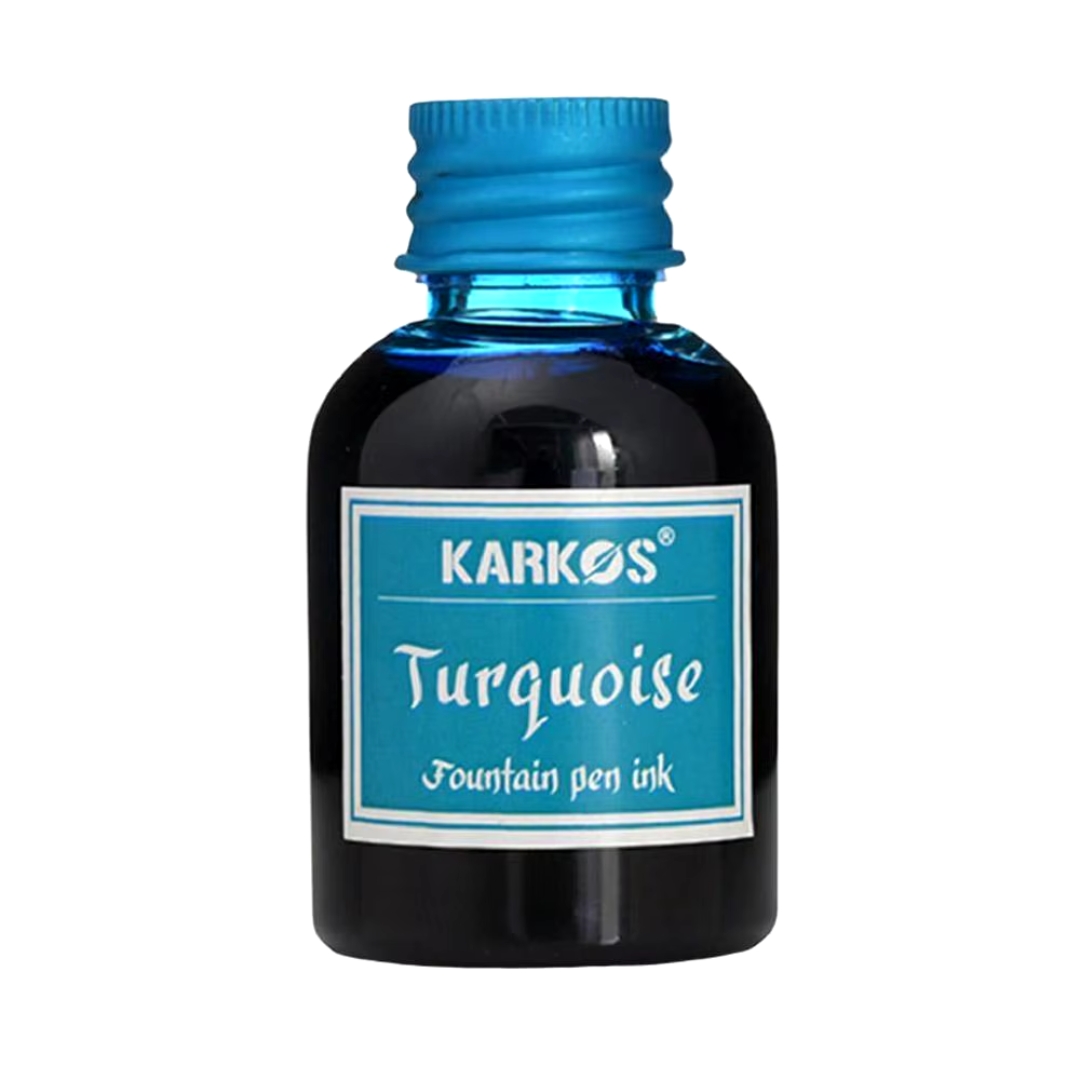
What makes fountain pen ink different from regular ink, and why should you choose it for your writing?
Fountain pens have long been revered for their elegance, precision, and classic appeal, making them the go-to choice for those who value a smooth and consistent writing experience. However, to unlock the full potential of a fountain pen, selecting the right ink is crucial. Fountain pen ink isn’t just a simple liquid like the ink used in regular ballpoint or gel pens; it has unique characteristics that set it apart, affecting not only the writing experience but also the longevity of your pen and the appearance of your writing. In this article, we will explore what makes fountain pen ink different from other types of ink, the various types available, how to choose the right one, and why it is worth considering fountain pen ink for your writing.
The Science Behind Fountain Pen Ink
Unlike regular ink, which is typically formulated for use with ballpoint pens or other writing instruments, fountain pen ink is specifically designed for use with fountain pens. Fountain pens use a nib that flows ink directly onto paper through a feed mechanism. This delicate system requires a special ink formulation that ensures smooth flow and proper adhesion to the paper without clogging or causing any damage to the pen’s components. The ink used in fountain pens is generally thinner than the ink in ballpoint pens, allowing it to flow freely through the nib and deliver a consistent line with minimal effort from the writer.
Fountain pen inks are also formulated with specific chemicals that make them ideal for different types of paper. They tend to dry slower than the fast-drying ink found in regular pens, giving the ink time to saturate the paper and create rich, vibrant color. This slow-drying nature also gives fountain pen ink a certain depth and richness that is often not found in other types of ink.
Types of Fountain Pen Ink
One of the most fascinating aspects of fountain pen ink is the sheer variety available. Unlike standard pen ink, which comes in a relatively limited range of colors and formulations, fountain pen ink offers a wide selection of colors, textures, and even finishes. Here are the main categories of fountain pen ink:
-
Dye-based Inks
These are the most common type of fountain pen ink and are known for their vibrant colors. Dye-based inks are typically water-based, making them fast-drying and easy to clean. They tend to be more affordable compared to other types of ink, but their colors may fade over time when exposed to light. These inks are ideal for everyday writing and provide a fluid, smooth writing experience. -
Pigment-based Inks
Pigment-based fountain pen inks contain finely ground particles of pigment suspended in liquid. Unlike dye-based inks, which dissolve completely in water, pigment inks remain on top of the paper, offering excellent color retention and resistance to fading. Pigment inks are more permanent and are often used for archival writing, art projects, or when longevity is a priority. They are generally slower to dry and may require extra care to avoid smudging. -
Iron Gall Inks
Iron gall ink is one of the oldest types of ink and has a rich, historical legacy. Made from tannin extracted from oak galls and iron salts, this ink is known for its deep, dark color and exceptional permanence. It was once commonly used by writers and scribes, particularly for legal and official documents. However, iron gall ink can be highly acidic, which may cause it to react with certain papers over time, so caution is advised when using it with more delicate or archival-quality papers. -
Shimmering Inks
Shimmering or glitter inks are a popular choice among fountain pen enthusiasts looking to add a touch of sparkle or a unique effect to their writing. These inks are typically made with suspended particles of glitter that give the ink a shimmering appearance when it catches the light. While they are not practical for everyday use, they are perfect for special occasions, calligraphy, or personalizing notes and letters with a touch of elegance. -
Specialty Inks
In addition to the main categories listed above, there are many specialty fountain pen inks available. Some inks are designed for particular purposes, such as calligraphy, sketching, or even writing in specific environments. These inks might have unique properties, such as being resistant to water, lightfast, or offering unusual colors like metallic or neon shades.
How Fountain Pen Ink Affects Your Writing Experience
Fountain pen ink plays a significant role in the overall writing experience. The smoothness of the ink, the richness of the color, and even the drying time can all influence how enjoyable the process of writing is. One of the key factors to consider when choosing ink is the flow. Fountain pen ink is designed to flow consistently through the nib, allowing for smooth, effortless writing. A pen that is filled with the wrong type of ink may have poor flow, resulting in skipping, blots, or a scratchy writing experience.
Moreover, the ink’s viscosity is an important consideration. Thicker inks, like those used in pigment-based or iron gall inks, may require more maintenance as they can dry up more quickly in the feed system of the fountain pen. On the other hand, thinner inks, such as dye-based inks, are generally easier to clean and maintain but may not offer the same level of permanence or richness in color.
Additionally, the color of the ink can have a profound impact on your writing. For example, vibrant blues, rich greens, and deep purples can elevate the writing experience, making your notes or letters feel more personal and artistic. Whether you’re writing for practical or creative purposes, fountain pen ink allows you to express yourself in a way that is unmatched by regular pens.
How to Choose the Right Fountain Pen Ink
Choosing the right fountain pen ink depends on a few factors, including the type of paper you use, the color preference, and the purpose of your writing. Here are some tips for selecting the right ink:
-
Consider Paper Type
The type of paper you use with your fountain pen can affect the overall writing experience. Fountain pen ink is designed to perform best on high-quality, smooth paper that can handle the ink’s flow without causing feathering or bleed-through. If you use standard, low-quality paper, you may experience issues like ink bleeding through or feathering, especially with wetter inks. It’s always best to use paper that is specifically designed for fountain pens, such as Tomoe River or Rhodia paper. -
Color Preferences
Fountain pen ink comes in a wide range of colors, and the choice of color depends largely on personal preference. If you’re using your fountain pen for professional purposes, you may prefer to stick with more traditional colors like black, blue, or brown. For personal or creative writing, you can explore more vibrant or unique shades, such as purple, green, or even custom-blended colors. -
Ink Properties
If permanence and archival quality are important to you, consider using pigment-based or iron gall inks. If you prefer ease of use and a wide variety of colors, dye-based inks are a good choice. Additionally, if you’re interested in creating unique writing effects, shimmering inks or specialty inks can add flair to your writing. -
Cleaning and Maintenance
Fountain pen ink requires regular maintenance to keep the pen in top condition. Pigment inks, due to their thicker consistency, may require more frequent cleaning to prevent clogs, while dye-based inks are typically easier to flush out and clean from the pen. If you’re someone who likes to switch inks frequently, dye-based inks might be more convenient.
Final Thoughts
In the world of writing instruments, fountain pens and their ink stand apart for the refined experience they offer. The choice of fountain pen ink can significantly affect how enjoyable and satisfying your writing process is, and it’s important to choose an ink that matches your writing style, paper type, and personal preferences. Whether you’re looking for a classic, timeless ink or something with a bit of sparkle and flair, the wide variety of fountain pen ink options ensures that there is something for every writer. So, the next time you’re shopping for ink, take the time to consider the qualities that will elevate your writing to a new level of precision, creativity, and elegance.








Post Comment