Vietnam’s Best Hidden Nature Escapes: Lakes, Caves & Mountains

Vietnam is a treasure trove of natural wonders, offering more than just its famous cities and beaches. For travelers seeking off-the-beaten-path adventures, Vietnam’s serene lakes, mysterious caves, and majestic mountain ranges present the perfect escape into nature’s untouched beauty. Whether it’s kayaking across glassy highland lakes, hiking through ancient limestone mountains, or exploring deep, untouched cave systems, each destination reveals a side of Vietnam that many overlook. These hidden gems not only showcase the country’s breathtaking geography but also immerse visitors in authentic local cultures and peaceful, crowd-free environments—ideal for travelers booking a Vietnam Tour Packages with a love for nature and adventure.
Choosing a Vietnam Tour Package that includes these lesser-known spots offers a more intimate experience of the country. From the emerald depths of Ba Be Lake to the surreal formations in Son Doong Cave—the world’s largest cave—Vietnam delivers unparalleled nature escapes that rival the world’s most iconic landscapes. Towering karsts in Ha Giang, mist-covered peaks in Sapa, and eco-friendly retreats nestled in Cuc Phuong National Park enrich your journey with serenity and adventure. Perfect for eco-tourism, photography, hiking, and soul-refreshing getaways, these destinations elevate any itinerary, giving your trip a unique and unforgettable edge that aligns with top travel trends and Google search preferences.
Vietnam’s Best Hidden Nature Escapes: Lakes, Caves & Mountains
Hidden Lakes of Vietnam
1. Ba Bể Lake – Bac Kan Province
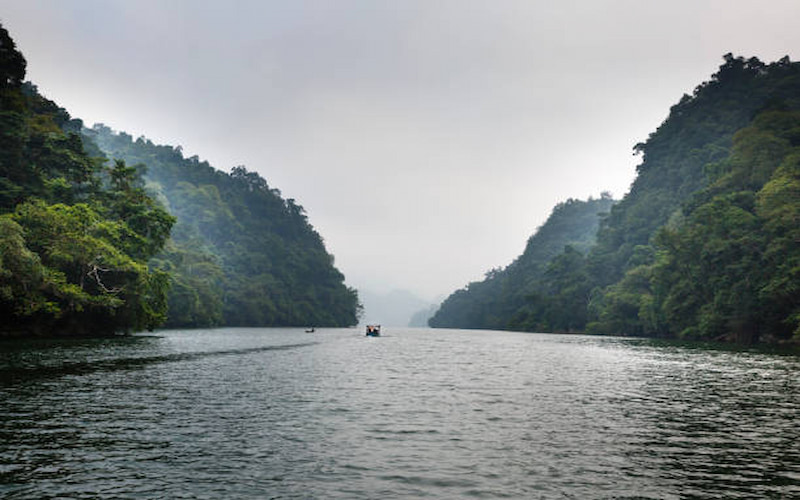
Located in the heart of Ba Bể National Park in northern Vietnam, Ba Bể Lake is the largest natural freshwater lake in the country. Surrounded by limestone cliffs and dense forest, this serene lake is a haven for nature lovers. What sets Ba Bể apart is its peaceful atmosphere, far removed from the noise of cities. Visitors can enjoy a boat ride on the emerald waters, explore caves like Puong Cave, or hike through the park to discover hidden waterfalls and ethnic villages.
2. Tà Đùng Lake – Dak Nong Province
Often dubbed the “Ha Long Bay of the Central Highlands,” Tà Đùng Lake is a mesmerizing sight with over 36 islands dotting its surface. This man-made reservoir created by a hydroelectric project has evolved into a quiet paradise for kayakers, campers, and photographers. Misty mornings, cool highland air, and the sight of floating islets make Tà Đùng one of the most beautiful yet lesser-known lakes in Vietnam.
3. Lak Lake – Dak Lak Province
Nestled amidst rolling hills and vast rice paddies, Lak Lake is one of the largest natural lakes in the Central Highlands. It offers a blend of nature and culture, being home to the M’nong ethnic group. Tourists can paddle a canoe across the lake, visit traditional longhouses, or even ride elephants—a traditional mode of travel here. Though less popular than other destinations, Lak Lake is rich in authenticity and charm.
Caves Waiting to Be Explored
1. Son Doong Cave – Quang Binh Province
Though gaining international fame, Son Doong Cave is still one of Vietnam’s most mysterious wonders due to its limited access. Known as the largest cave in the world, it features an ecosystem with its own weather, underground rivers, and massive stalagmites. The cave is so large that it can fit an entire New York City block inside. Trekking through Son Doong is a dream for adventure seekers and is often included in premium Vietnam Tour Packages for explorers.
2. Hang En Cave – Quang Binh Province
Just a gateway to Son Doong, Hang En is a spectacle on its own. With a massive entrance, sandy cave floors, and a campsite inside, it offers an otherworldly experience. While less extreme than Son Doong, Hang En provides a perfect mix of challenge and accessibility for intermediate trekkers.
3. Tu Lan Cave System – Quang Binh Province
A remote cave network consisting of over 10 caves, Tu Lan offers underground rivers, jungle hikes, and thrilling swims through dark caverns. It’s a paradise for those who crave true adventure. The cave system is often less crowded and provides a raw, untouched experience for those willing to explore deep into Vietnam’s limestone mountains.
4. Paradise Cave – Phong Nha-Ke Bang National Park
True to its name, Paradise Cave is an astonishing natural marvel. Stretching over 31 kilometers, it’s a maze of glittering stalactites and stalagmites. Unlike the rugged treks required for other caves, this one is relatively accessible, making it ideal for families or casual travelers seeking a taste of Vietnam’s subterranean wonders.
Majestic and Untamed Mountain
1. Ha Giang Loop – Ha Giang Province
Regarded as one of the most scenic motorbike routes in Southeast Asia, the Ha Giang Loop winds through high mountain passes, sharp ridges, and ethnic minority villages. The majestic Dong Van Karst Plateau Geopark, a UNESCO site, lies here, offering panoramic views of Vietnam’s northernmost terrain. It’s a place where travelers can truly disconnect and witness the raw, untouched beauty of the mountains.
2. Mount Fansipan – Lao Cai Province
Known as the “Roof of Indochina,” Fansipan is Vietnam’s highest peak, standing tall at 3,147 meters. While a cable car now makes the summit accessible to most, the traditional trek from Sapa remains a favorite among hiking enthusiasts. The climb passes through lush forests, bamboo groves, and alpine meadows, rewarding trekkers with spectacular views and a true sense of accomplishment.
3. Tay Con Linh – Ha Giang Province
Tay Con Linh is one of the most sacred and lesser-known peaks in Vietnam. It’s often shrouded in mist and cloud, with moss-covered trees and ancient rocks that give it a mystical vibe. Trekking here is not for the faint-hearted—it’s rugged, wild, and remote. But those who brave the trail are rewarded with solitude, untouched forests, and a spiritual connection to nature.
4. Pu Ta Leng – Lai Chau Province
Often overshadowed by Fansipan, Pu Ta Leng is actually considered more challenging and more beautiful by serious hikers. The trail passes through thick jungles, rhododendron forests, and remote landscapes, offering a sense of solitude that’s rare in popular tourist destinations. It is a rewarding climb for those seeking physical and mental elevation.
Why Choose These Hidden Escapes?
Opting for these lesser-known destinations is about more than just ticking off sights—it’s about immersing yourself in Vietnam’s soul. These lakes, caves, and mountains not only offer dramatic scenery but also carry cultural and ecological significance. You’ll meet local ethnic communities, encounter rare flora and fauna, and connect with Vietnam’s ancient traditions.
For travelers seeking a more meaningful and enriching experience, hidden nature escapes are the best choice. They offer opportunities for reflection, learning, and adventure—whether you’re kayaking through misty lakes, climbing cloud-kissed peaks, or walking through ancient underground caverns.
When planning your Vietnam Tour Package, consider adding these off-the-beaten-path treasures to your itinerary. Not only will you avoid the crowds of mainstream tourism, but you’ll also contribute to sustainable travel by supporting lesser-visited communities and preserving natural wonders.
Conclusion:
In conclusion, Vietnam’s lesser-known natural wonders—from serene lakes nestled in misty highlands to enchanting cave systems and majestic mountain ranges—offer a refreshing escape from the tourist crowds. These hidden gems not only showcase the country’s raw and untouched beauty but also invite travelers to experience a deeper, more authentic connection with nature. Whether you’re trekking through cloud-kissed peaks or drifting along a quiet lake surrounded by limestone cliffs, these places promise an unforgettable adventure.
For travelers seeking something beyond the usual itineraries, these offbeat destinations are perfect additions to Vietnam Tour Packages from India. They offer unique experiences filled with adventure, tranquility, and cultural richness. So if you’re ready to explore Vietnam beyond the beaten path, let these secret escapes lead you into the heart of one of Southeast Asia’s most diverse landscapes.







Post Comment