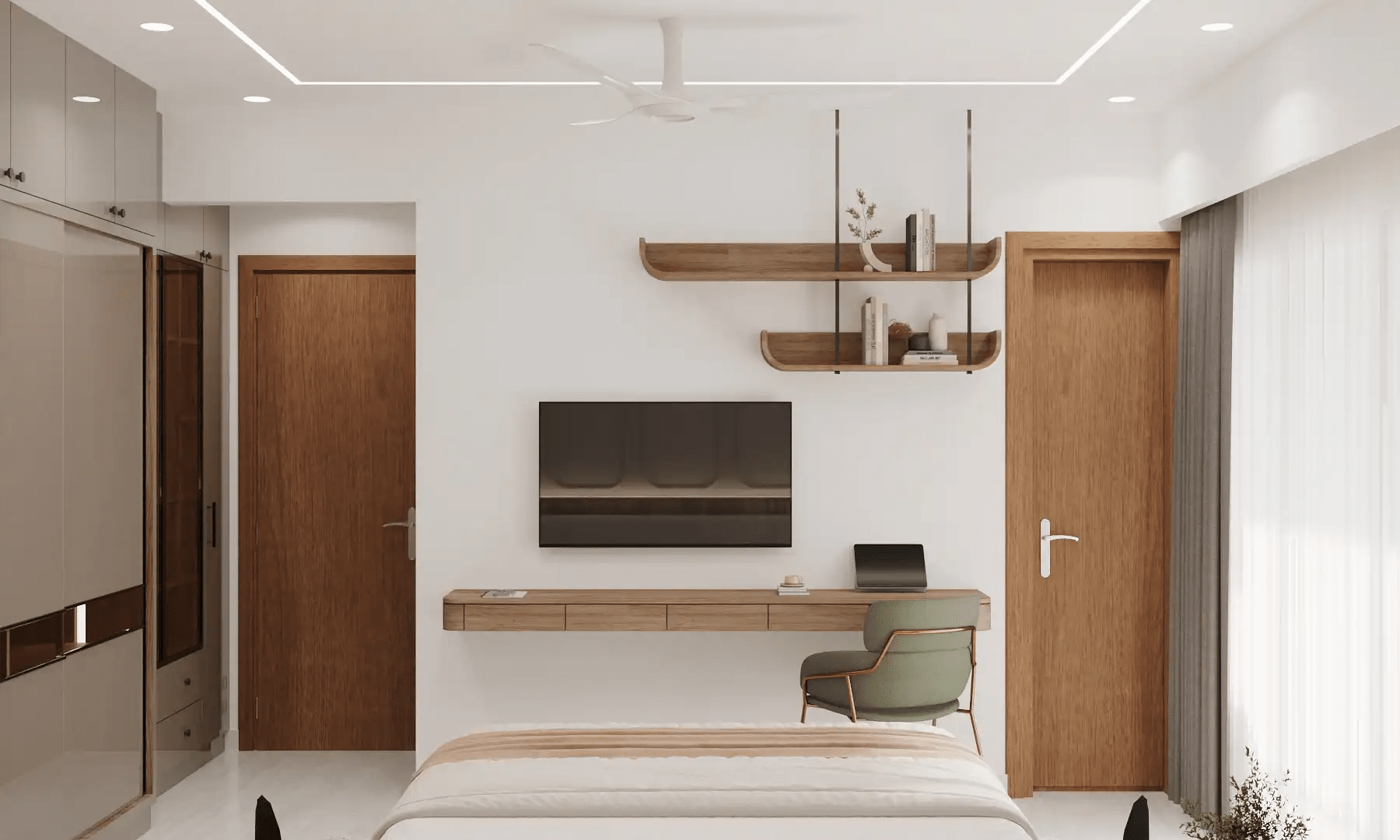
Transform Your Study Room with These Simple Design Hacks
Introduction
A study room is more than just a place to work; it’s a sanctuary where you can focus, learn, and unleash your creativity. Whether you’re a student gearing up for exams or a professional working from home, the design and setup of your study space can significantly impact your productivity and mindset. A well-designed study room should encourage concentration, offer comfort, and inspire creativity. But transforming a dull, uninspiring study room design into a functional and aesthetically pleasing space doesn’t have to require a huge budget or professional help. With the right study room design ideas and a little effort, you can create a space that suits your needs perfectly.
In this article, we’ll explore simple but effective design hacks to transform your study room. These tips can be tailored to suit any size or style of room, helping you create an ideal environment for study and work.
Study Room Design Essentials: Factors to Consider
When you embark on redesigning your study room, there are several critical factors that must come into play. These elements will form the foundation for your design and help you maximize both function and aesthetics.
1. Furniture Selection: Functional Yet Stylish
Furniture plays a major role in the design of any room, and your study room is no different. It’s essential to pick furniture that’s both functional and visually appealing.
-
Ergonomic Chair: A comfortable and adjustable chair is a must. Long hours of sitting can cause strain if the chair doesn’t provide proper support. Look for chairs with lumbar support, adjustable height, and sufficient padding.
-
Spacious Desk: A spacious desk allows you to spread out your materials and work with ease. Consider a desk with drawers or shelves for extra storage.
-
Shelving and Storage: Efficient storage options like bookshelves, cabinets, or floating shelves can help keep your study area organized and tidy. Open shelves are perfect for displaying books, plants, or decorative items.
2. Lighting: Brighten Up the Room
Proper lighting is crucial for creating a productive study environment. Harsh, glaring lights or dim, insufficient lighting can strain your eyes and hinder your ability to concentrate. Here’s how to get your lighting right:
-
Natural Light: If possible, position your desk near a window to take advantage of natural light. Sunlight boosts mood and productivity, creating a pleasant atmosphere for work.
-
Task Lighting: A good desk lamp is essential for focused work, especially if you tend to work late into the night. Choose a desk lamp with adjustable brightness and focus the light directly on your workspace.
-
Ambient Lighting: Ambient lighting creates an overall pleasant atmosphere. Consider installing LED lights or using soft, diffused lighting to eliminate harsh shadows in the room.
3. Color Scheme: Set the Mood
Colors in your study room can greatly affect your mood and productivity. A study room design should incorporate colors that promote focus and calmness.
-
Neutral Colors: Shades of white, gray, or beige create a neutral and calming environment, perfect for concentration. These colors make the space feel open and airy.
-
Accent Colors: Add a touch of vibrancy with accent colors. Blue is known to boost productivity, while green promotes calmness. Yellow, on the other hand, can stimulate creativity. Consider adding throw pillows, artwork, or rugs in these colors to give the room an energetic but balanced vibe.
-
Warm vs. Cool Tones: Warm tones like brown or orange can make the room feel cozy, while cool tones such as blue or green evoke calmness and clarity.
4. Declutter and Organize
Clutter can quickly derail your focus. Organizing your study room is one of the most effective design hacks to create a conducive study environment.
-
Keep It Minimal: Only keep the essentials on your desk. Excess items can cause distractions. Organize your supplies in drawer organizers, baskets, or bins.
-
Cable Management: Cables from laptops, chargers, and lamps can create a messy and tangled workspace. Use cable clips, trays, or sleeves to keep them out of sight and organized.
-
Keep Books and Supplies Tidy: If you have many books or study materials, arrange them neatly on shelves or in cabinets. Consider using labels or folders to keep papers organized.
5. Incorporate Personal Touches
While functionality is key in a study room, don’t forget to make the space your own. Adding personal touches can make your study area feel more inviting and inspiring.
-
Artwork and Posters: Hang some artwork, motivational posters, or framed prints to add character to the walls. Choose artwork that inspires you, whether it’s related to your studies or something that brings joy.
-
Plants and Greenery: Adding plants to your study room is a fantastic way to improve air quality and boost mood. A few well-placed plants like succulents or a small indoor tree can bring nature indoors.
-
Comfortable Textiles: Soft throw blankets, cushions, or a comfortable rug can make your study room feel cozy and inviting. Just ensure that the textiles you choose complement the overall design.
6. Technology: Make It Work for You
In today’s digital age, your study room design must integrate technology effectively. Make sure your workspace is equipped with the necessary devices and accessories for a smooth workflow.
-
Tech Setup: Whether you use a desktop, laptop, or both, make sure your devices are set up ergonomically. Use a keyboard and mouse that are comfortable for long hours of work.
-
Charging Stations: Keep all your devices charged and ready by setting up a dedicated charging station. A small docking station or multi-port USB charger can keep all your gadgets in one place.
-
Audio and Sound: If you like listening to music or need a quiet, focused environment, consider investing in noise-canceling headphones or speakers that won’t disturb others.
7. Use of Space: Maximize the Layout
The layout of your study room plays a big role in how productive and comfortable you feel in the space. Whether your room is big or small, you can optimize the available space.
-
Small Spaces: For smaller rooms, choose compact furniture and consider multi-functional pieces, like a foldable desk or a chair that doubles as extra storage. Keep the furniture minimal to avoid feeling cramped.
-
Open Layout: If you have a larger study room, consider an open layout with designated areas for different tasks. For instance, a reading nook, a brainstorming zone, and a main work desk can be part of your room.
-
Flow and Movement: Ensure there’s enough space to move around comfortably. Avoid blocking natural pathways or making the room feel cluttered.
8. Consult with Interior Designers in Hosur
If you’re located in Hosur or nearby regions, you may consider consulting with interior designers in Hosur who specialize in creating customized, functional spaces. An expert designer can provide personalized advice based on your space and needs, whether you’re looking for minimalist aesthetics, modern furniture, or a study room design that enhances productivity.
An experienced designer will help you select the right furniture, materials, and colors for your space. They will also have insights on the latest trends in study room design, including innovative storage solutions and smart lighting options, ensuring your study room is both stylish and functional.
Final Touches for a Complete Study Room Transformation
After applying all these design hacks, take a step back and assess the space. Here are a few finishing touches to ensure your study room is perfect:
-
Final Touch of Style: Add a few decorative elements, like a sleek clock, a stylish desk organizer, or a decorative vase. These items not only enhance the room’s visual appeal but also create a positive atmosphere for study.
-
Comfort and Functionality: Make sure your study room is comfortable for long study sessions. Add cushions to your chair, adjust your lighting, and set up the technology so it’s easy to access.
-
Inspiration Board: Consider creating an inspiration board or a vision board on the wall. This can be a powerful tool to stay motivated and remind you of your goals.
Conclusion
Creating a study room that’s both functional and visually pleasing is easier than you think. By focusing on key elements like ergonomic furniture, lighting, organization, and personal touches, you can design a space that boosts your productivity and keeps you comfortable. Remember that the design process doesn’t have to be overwhelming or costly. With the right mindset and a few thoughtful adjustments, you can transform your study room into a place where you’ll enjoy spending time and where you can achieve your academic or professional goals.
If you’re in Hosur and want a professional touch to your study room design, don’t hesitate to reach out to interior designers in Hosur. Their expertise can help you bring your vision to life with efficiency and style. Happy designing!








Post Comment