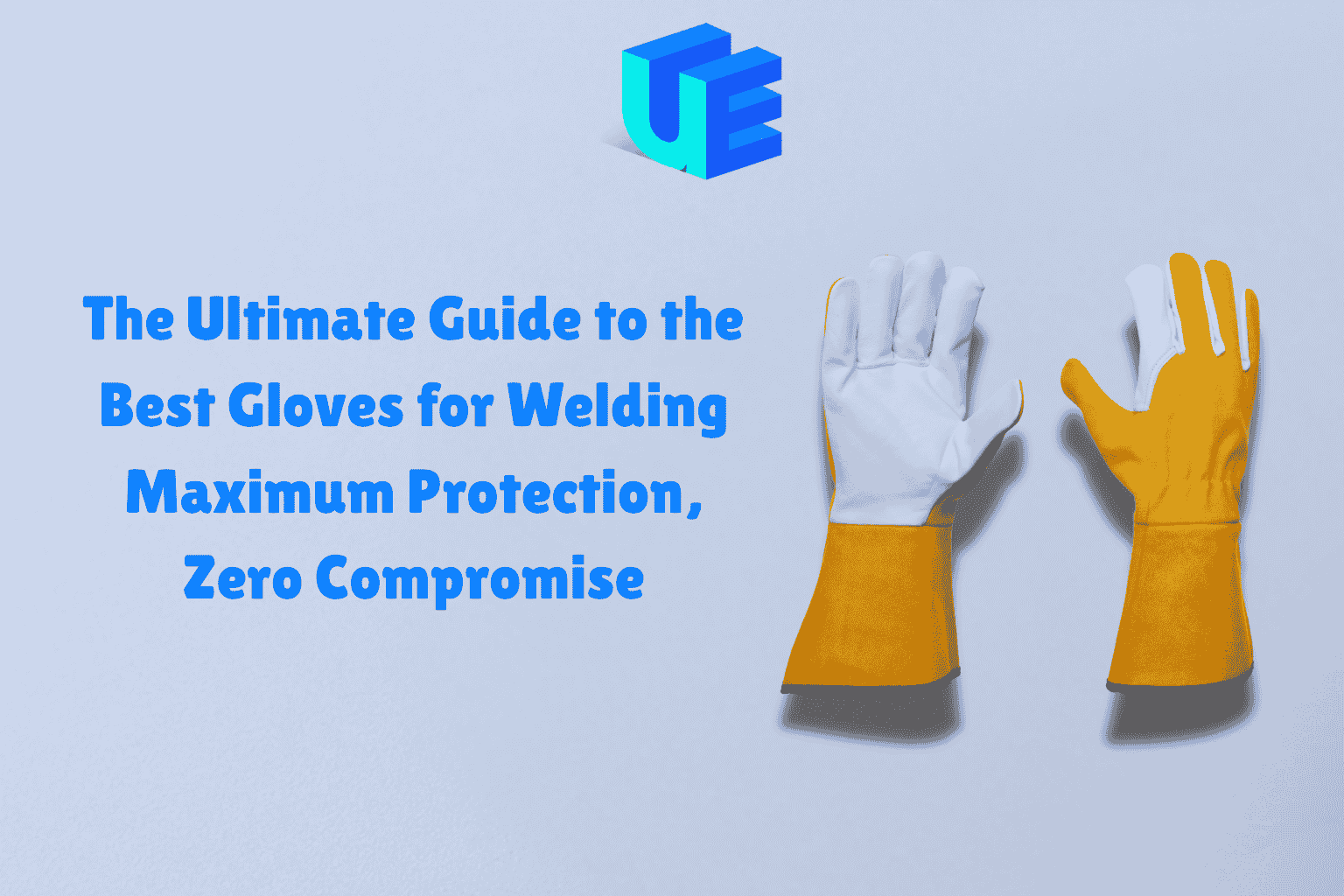
The Ultimate Guide to the Best Gloves for Welding: Maximum Protection, Zero Compromise
If you work in fabrication, industrial welding, or workshop environments, you already know one thing: your gloves can make or break your safety. And when the task involves blazing heat, sparks, spatter, and heavy metal handling, choosing the best gloves for welding is not optional — it’s survival.
Welders lose more working hours each year due to preventable hand injuries than almost any other trade. That’s why professionals, contractors, and industrial teams turn to performance-tested welding gloves, assembly gloves, and hi performance gloves designed specifically for real-world working conditions.
In this guide, powered by Uniqent’s expertise and years of supplying PPE to industrial sectors, you’ll learn exactly which gloves are right for TIG, MIG, Stick, fabrication, and heavy-duty welding tasks.
What Makes a Glove the “Best” for Welding?
The best welding glove is not the most expensive one — it’s the glove that matches your welding type, heat exposure, dexterity needs, and durability requirements.
Professionals look for:
✔ Heat resistance
Enough to withstand sparks, spatter, and radiant heat.
✔ Dexterity
Critical for TIG and precision tasks.
✔ Cut & abrasion resistance
To safely handle metal pieces and sharp edges.
✔ Long-term durability
High-quality stitching, reinforced seams, and thick hide leather.
✔ Comfort & sweat resistance
Because discomfort leads to mistakes, and mistakes lead to burns.
In short: the right glove protects you without slowing you down.
Types of Welding Gloves (MIG, TIG, Stick) and Which One You Need
1. MIG Welding Gloves
Best for:
- Medium–high heat
- Heavy sparks & moderate spatter
- General fabrication work
Features:
- Thick leather (split cowhide or goatskin)
- Padded insulation
- Long cuff protection
2. TIG Welding Gloves
Best for:
- Precision welding
- Light spatter
- High dexterity tasks
Features:
- Thinner goatskin
- Excellent finger control
- Snug fit with sensitive touch
3. Stick Welding Gloves
Best for:
- Highest heat
- Heavy spatter
- Industrial welding environments
Features:
- Reinforced backhand
- Multiple insulation layers
- Thick, rugged leather exterior
Best Gloves for Welding in 2025: Expert-Recommended Picks
After evaluating durability, comfort, and heat performance — and reviewing customer feedback from industrial welders — these categories stand out:
Heavy-Duty MIG & Stick Welding Gloves
- Designed to endure extreme heat
- Thick cowhide leather
- Extended cuffs for forearm safety
- Ideal for fabrication yards, automotive workshops, millwright work
Precision TIG Welding Gloves
- High dexterity
- Soft goatskin leather
- Excellent for stainless steel work, pipe welding, and small components
Hi Performance Welding Gloves
Best for welders who need:
- Hybrid heat resistance
- Better grip
- Enhanced cut protection
- Lightweight yet strong construction
These gloves combine the power of welding gloves with the flexibility of assembly gloves — ideal for fast, dynamic shop environments.
Assembly Gloves vs. Welding Gloves vs. Hi Performance Gloves
Welding Gloves
- Designed for heat
- Longer cuffs
- Multi-layer insulation
Assembly Gloves
- Not built for welding heat
- Designed for grip, dexterity, and precision
- Perfect for parts handling, not spark-heavy environments
Hi Performance Gloves
- The hybrid option
- Combine heat protection + dexterity
- Suitable for multi-process welders or mixed fabrication tasks
Which one should you choose?
- If you deal with sparks → Welding gloves
- If you handle parts & precision → Assembly gloves
- If you weld + assemble + maneuver → Hi performance gloves
Material Breakdown: Which Materials Offer the Best Protection?
Professional welders rely on these:
Cowhide
- Excellent heat resistance
- Durable and rugged
- Great for MIG and Stick welding
Goatskin
- Soft and flexible
- High dexterity
- Ideal for TIG
Deerskin
- Extremely comfortable
- Good for mobility
- Not ideal for extreme heat
Split Leather
- Thick & heat protective
- Best for heavy-duty welding environments
The best gloves for welding usually combine split leather exteriors with insulated linings to balance dexterity and heat protection.
Why Professionals Trust Uniqent for Welding Gloves
✔ Years of Industry Expertise
Uniqent has supplied PPE to welding shops, industrial contractors, mechanics, fabricators, and manufacturing teams for years — with solutions tailored to real welding conditions.
✔ Trusted by Professionals
Our products are used in automotive plants, fabrication units, metal workshops, and construction sites across the region.
✔ Real Customer Feedback
⭐ Mark R., Professional Welder
“I’ve been welding for 15 years, and Uniqent’s gloves outperform anything I’ve used. Great grip, great safety — zero burns.”
⭐ Sara T., Fabrication Shop Supervisor
“We switched our team to Uniqent welding gloves. They last longer and offer better control than our previous brands.”
✔ Quality & Safety Certifications
Uniqent gloves meet international PPE safety standards — ensuring durability, cut performance, and heat resistance.
This level of expertise establishes the brand as a trusted supplier for welders across multiple industries.
Safety Tips: How to Choose Welding Gloves Like a Pro
When shopping for welding gloves, use these expert tips:
✔ Match glove type to welding process
TIG gloves are useless in Stick welding — and Stick gloves destroy TIG finesse.
✔ Choose the right material
Cowhide = protection
Goatskin = dexterity
Split leather = heavy-duty durability
✔ Check the stitching
Kevlar stitching is a must for heat-heavy environments.
✔ Look for extended cuffs
Protect your wrists and lower arm from sparks.
✔ Don’t compromise on fit
A loose glove = low control.
A tight glove = reduced circulation.
✔ Always replace damaged gloves
Burn holes and stiff leather reduce protection dramatically.
Internal Linking Suggestion
For users exploring more welding safety gear, check out our leather gloves collection here:
👉 Explore premium leather gloves
FAQs
Q1: What are the best gloves for welding in 2025?
The best gloves for welding are those designed for your welding type. For high heat and heavy spatter, MIG and Stick gloves are ideal. For precision tasks, TIG gloves offer high dexterity.
Q2: Are assembly gloves safe for welding?
No. Assembly gloves lack heat resistance. They are best for handling components, not direct welding exposure.
Q3: What materials are best for welding gloves?
Cowhide and split leather offer top heat protection. Goatskin provides superior dexterity for TIG welding.
Q4: Are hi performance gloves worth it?
Yes. Hi performance gloves blend heat resistance with control, making them ideal for welders switching between MIG, TIG, assembly, and fabrication tasks.
Q5: Do welding gloves protect against sparks and spatter?
Yes — quality welding gloves are specifically designed to protect against sparks, molten metal spatter, abrasion, and high heat.
Conclusion
Choosing the best gloves for welding ensures safety, performance, and long-term productivity. Whether you’re a TIG artist, MIG fabricator, Stick welder, or multi-process professional, the right glove protects your hands while allowing you to work with confidence.
If you want gloves trusted by professionals across fabrication, industrial workshops, and welding teams — explore Uniqent’s performance-tested collection today.
👉 Visit Uniqent and upgrade your welding safety gear.
Author Bio – Uniqent Team
The Uniqent Team specializes in industrial safety gear, welding PPE, and high-performance work gloves designed for real-world working environments. With years of experience serving contractors, fabricators, and industrial companies, we focus on delivering tested, durable, and reliable safety solutions.








Post Comment