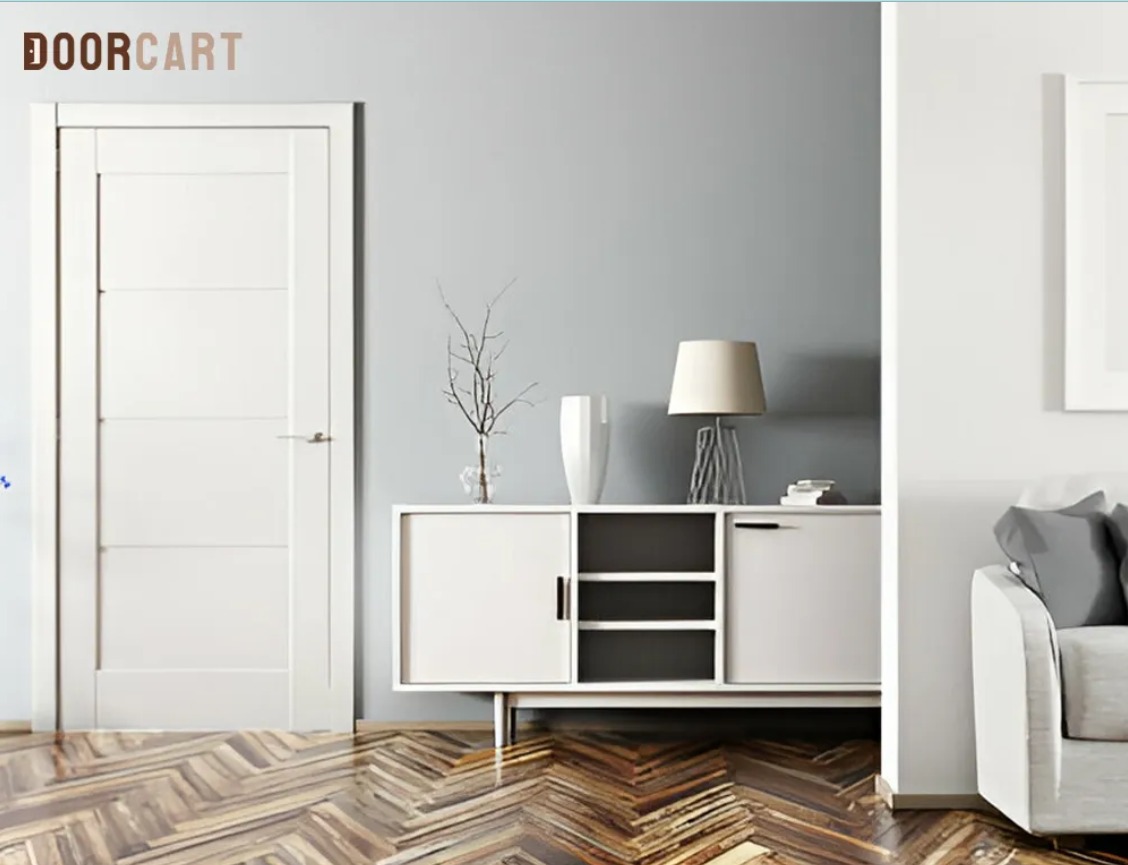
The Ultimate Guide to Interior Doors: Elevating Your Home’s Style and Function
When embarking on a home renovation or new build, selecting the right interior doors is a decision that profoundly impacts both the aesthetics and functionality of your living space. The journey often begins with a fundamental choice: a standard slab door or the complete, ready-to-install solution of a prehung interior door. This essential element of home design is more than just a passageway; it’s a statement piece, a sound barrier, and a key contributor to your home’s overall flow. Understanding the differences, advantages, and considerations between a basic door slab and a prehung unit is crucial for any homeowner or DIY enthusiast looking to make an informed investment. This guide will walk you through everything you need to know about interior doors and why prehung interior doors might be the superior choice for your project.
More Than Just a Door: Understanding the Components
First, let’s demystify the terminology, as this is where many get confused.
-
Door Slab: This is just the door itself—a flat, rectangular panel without any hardware, hinges, or frame. It’s literally a slab of wood, composite, or other material. Slab doors are typically used to replace existing doors when the frame and hinges are still in good condition. They require significant skill to mortise (cut out) hinge recesses and drill holes for knobs and locksets accurately.
-
Prehung Door: This is a complete door system. A prehung interior door comes mounted within a fully assembled frame (the jamb), complete with hinges attached to both the door and the jamb, and a pre-cut hole for the lockset. Often, it also includes a door stop (the trim the door closes against) and may even come with a threshold. In essence, it’s a door, ready to be placed into a rough opening in your wall and secured.
Why Choose a Prehung Interior Door? The Unbeatable Advantages
While a slab door might seem like a cheaper option upfront, the benefits of choosing a prehung unit often far outweigh the initial cost difference, especially for new construction or full-room renovations.
1. Simplified, Streamlined Installation:
This is the biggest advantage. Installing a door slab into an existing frame is a meticulous craft requiring precise measurements and specialized tools to chisel out hinge mortises and align everything perfectly. A single mistake can leave you with a door that doesn’t close properly, sticks, or has unsightly gaps.
A prehung interior door, however, is designed for efficiency. The manufacturer has already done the hard work of ensuring the door is perfectly aligned and hung within its frame. For the installer, the process becomes about securing the pre-assembled unit into the wall’s rough opening and ensuring it is level and plumb. This dramatically reduces the margin for error and is far more forgiving for a competent DIYer.
2. Perfect Alignment and Function:
Because the door and jamb are a matched set assembled in a factory-controlled environment, you are guaranteed a perfect fit. The gaps between the door and the frame are consistent on all sides, ensuring smooth operation. This eliminates common issues like sticking, bouncing, or failing to latch—problems that are notoriously common with slab door installations done by amateurs.
3. A Complete Fresh Start:
Over time, door jambs can become warped, damaged, or worn out. Attempting to fit a new slab door into an old, imperfect frame means you’ll inherit all the existing problems. Installing a prehung interior door gives you a brand-new, square, and undamaged frame along with your new door. This is the only way to ensure truly like-new performance, making it ideal for remodeling projects where walls have been altered or old frames are compromised.
4. Time is Money:
For contractors and DIYers alike, time is a valuable commodity. The labor-intensive process of fitting a slab door can take hours. Hanging a prehung door, once the rough opening is prepared, can often be accomplished in under an hour. This significant time savings can make the higher material cost of a prehung unit a wash—or even a savings—when factoring in labor.
When a Door Slab Might Be the Right Choice
Despite the overwhelming advantages of prehung units, there are still scenarios where a slab door is the appropriate selection:
-
Replacing an Existing Door in a Good Frame: If your current door is damaged or outdated but the frame is perfectly square, undamaged, and in excellent condition, a slab door is a cost-effective replacement.
-
Custom or Unique Sizes: For very old homes with non-standard door sizes where prehung units are unavailable or prohibitively expensive to custom-order, finding a slab and fitting it to the existing frame might be the only practical option.
-
Strict Budget Constraints: If the upfront material cost is the absolute primary concern and you have the advanced skills to fit the door yourself, a slab is cheaper at the point of purchase.
Choosing the Right Door for Your Home
Whether you opt for prehung or slab, you’ll need to consider the door’s style, material, and operation to ensure it complements your home.
Style & Design: Doors define a room’s character. Consider:
-
Panel Doors: Classic and versatile, with raised or flat panels. They work in everything from traditional to modern homes.
-
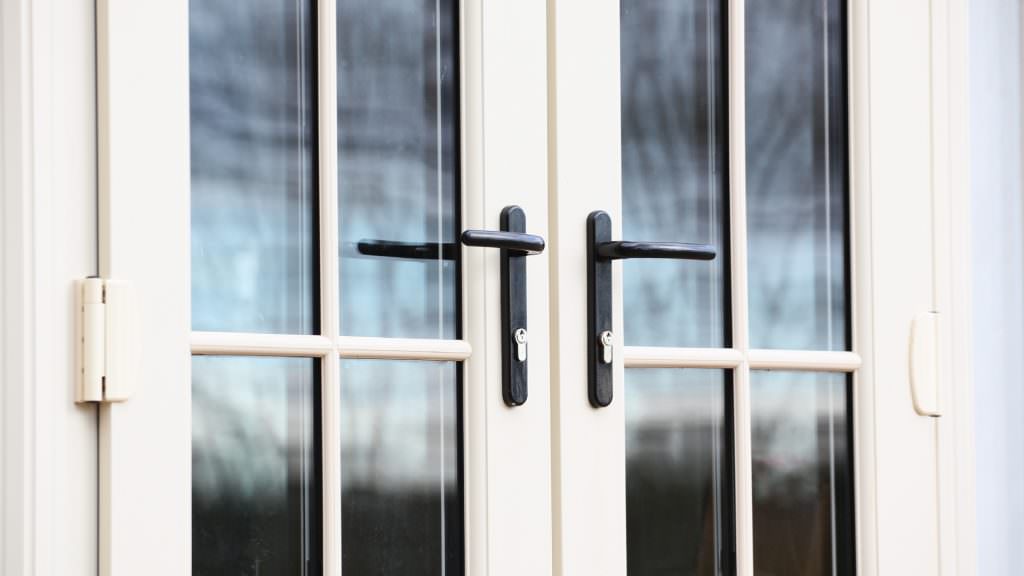
French Doors: Elegant doors with glass panes, perfect for bringing light into a space and creating an open feel between rooms.
-
Barn Doors: A popular space-saving choice that slides on a track outside the wall, ideal for areas where a swinging door is impractical.
-
Pocket Doors: The ultimate space-savers, these slide into a cavity within the wall, disappearing entirely when open.
Material:
-
Solid Wood: Offers the highest quality, beauty, and sound insulation but is also the most expensive.
-
Solid Core: Features a composite inner core with a wood veneer. They provide excellent sound dampening and a heavy, quality feel without the full cost of solid wood.
-
Hollow Core: The most affordable and lightweight option. They are fine for closets and low-traffic areas but offer minimal sound or privacy insulation.
The Final Verdict
For the vast majority of projects—especially new walls, whole-home renovations, or when replacing old, damaged frames—the prehung interior door is the clear winner. Its ease of installation, guaranteed performance, and all-in-one package provide immense value, professional results, and long-term satisfaction. While the door slab has its place for simple, like-for-like replacements, the modern convenience and reliability of a prehung system make it an investment in your home’s beauty, function, and efficiency that you will appreciate every time you open and close it.
Before you make your purchase, always remember to measure your rough opening carefully and consult with a professional at your local building supply store if you have any doubts. With the right knowledge and the right door, you can transform the look and feel of your home, one doorway at a time.





Post Comment