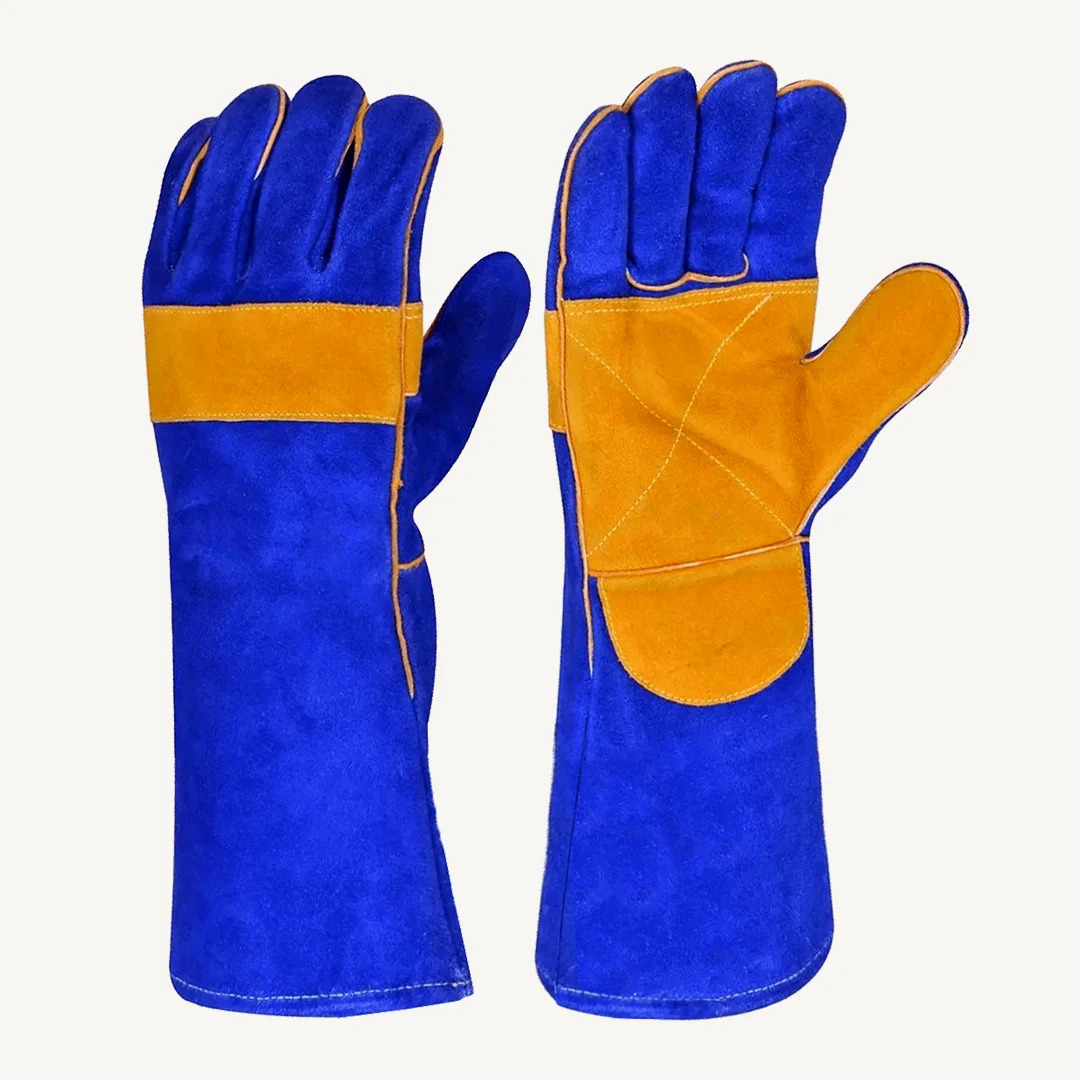
The Ultimate Guide to Choosing the Best Welding Gloves
When it comes to welding, safety should always be your top priority. Whether you are a professional welder, a hobbyist, or just starting your journey in the field, choosing the right welding gloves can make a huge difference in your performance and protection. Welding involves extreme heat, sparks, and molten metal, which can cause severe burns if your hands are not properly protected. In this blog, we’ll explore everything you need to know about welding gloves, their types, features, materials, and why investing in a trusted brand like StrongArm Welding can enhance your safety and efficiency.
Why Welding Gloves Are Essential for Welders
Welding gloves are not just another piece of safety gear; they are a critical layer of protection for your hands. The welding process involves handling hot materials, high temperatures, and potentially dangerous UV and IR radiation. Without proper gloves, welders are at risk of burns, cuts, abrasions, and even long-term skin damage.
A good pair of welding gloves acts as a shield against heat, sparks, and electric shock while still allowing flexibility and grip. High-quality brands like StrongArm Welding design gloves specifically to meet these safety needs while maintaining comfort and durability. Choosing the right pair ensures you can work longer, safer, and more efficiently.
Different Types of Welding Gloves
Not all welding gloves are the same. The type of welding you perform determines the kind of gloves you should choose. Here are the most common types:
1. MIG Welding Gloves
MIG (Metal Inert Gas) welding involves high temperatures and produces a lot of sparks. MIG gloves are usually made from heat-resistant leather, often with extra padding to protect against burns. They offer a balance between protection and dexterity, making them ideal for beginners and professionals alike.
2. TIG Welding Gloves
TIG (Tungsten Inert Gas) welding requires precision and control, which means you need thinner gloves that provide better finger sensitivity. TIG gloves are typically made from soft goat or kidskin leather, offering flexibility while still providing adequate heat protection.
3. Stick Welding Gloves
Stick welding produces the highest heat levels, so stick welding gloves are heavily insulated and often feature reinforced stitching. These gloves are designed to handle intense heat and heavy sparks, making them bulkier but extremely protective.
When you choose a trusted brand like StrongArm Welding, you get gloves specifically designed for different welding techniques, ensuring optimal safety and comfort.
Key Features to Look for in Welding Gloves
Before purchasing a pair of welding gloves, it’s essential to consider the following features to ensure maximum protection and comfort:
-
Heat Resistance – High-quality materials like leather and Kevlar provide excellent heat protection.
-
Durability – Welding is tough on gloves, so look for reinforced stitching and heavy-duty materials.
-
Dexterity – Good gloves allow finger movement and precision without compromising safety.
-
Comfort and Fit – Gloves should fit snugly but not restrict blood circulation.
-
Safety Standards – Always choose gloves that meet industry safety certifications for welding work.
By investing in reliable gloves, you ensure that your hands remain protected without compromising performance. StrongArm Welding is known for integrating these features into their products, making them a preferred choice among professionals.
Best Materials for Welding Gloves
The material of your welding gloves directly impacts your safety and performance. Here are the most common options:
-
Cowhide Leather – Offers excellent durability and heat resistance, commonly used for MIG and stick welding.
-
Goatskin Leather – Soft, lightweight, and provides better flexibility, perfect for TIG welding.
-
Pigskin Leather – Breathable and resistant to moisture, ideal for working in humid conditions.
-
Kevlar Lining – Enhances flame resistance and adds extra strength to gloves.
Strong brands like StrongArm Welding combine premium leathers with advanced linings, ensuring a balance between comfort, flexibility, and heat protection.
Tips for Maintaining Your Welding Gloves
Even the highest-quality welding gloves require proper care to maximize their lifespan. Here are some tips:
-
Clean Regularly – Remove dirt, dust, and metal particles to prevent material degradation.
-
Avoid Water Exposure – Excessive moisture can damage leather and reduce its protective properties.
-
Inspect for Damage – Check for holes, tears, and worn-out stitching before each use.
-
Store Properly – Keep your gloves in a cool, dry place away from direct sunlight and heat sources.
With proper maintenance, your gloves can last longer, ensuring consistent safety and performance.
Why Choose StrongArm Welding Gloves
When it comes to safety gear, quality should never be compromised. StrongArm Welding has built a reputation for manufacturing durable, heat-resistant, and comfortable welding gloves that meet industry standards. Their products are designed with professional welders in mind, combining advanced materials, reinforced stitching, and ergonomic designs for maximum performance.
Whether you are doing MIG, TIG, or stick welding, choosing StrongArm Welding gloves ensures your hands are fully protected without sacrificing precision or comfort.
Conclusion
Welding is a rewarding but high-risk profession, and protecting your hands should be a top priority. By choosing the right welding gloves, you ensure safety, comfort, and efficiency on the job. Remember to consider factors like material, fit, heat resistance, and durability when making your choice. Trusted brands like StrongArm Welding provide top-quality gloves that offer the perfect balance between protection and flexibility.
Investing in the right gloves today will protect you from accidents tomorrow, allowing you to focus on what matters most — your craft.








Post Comment