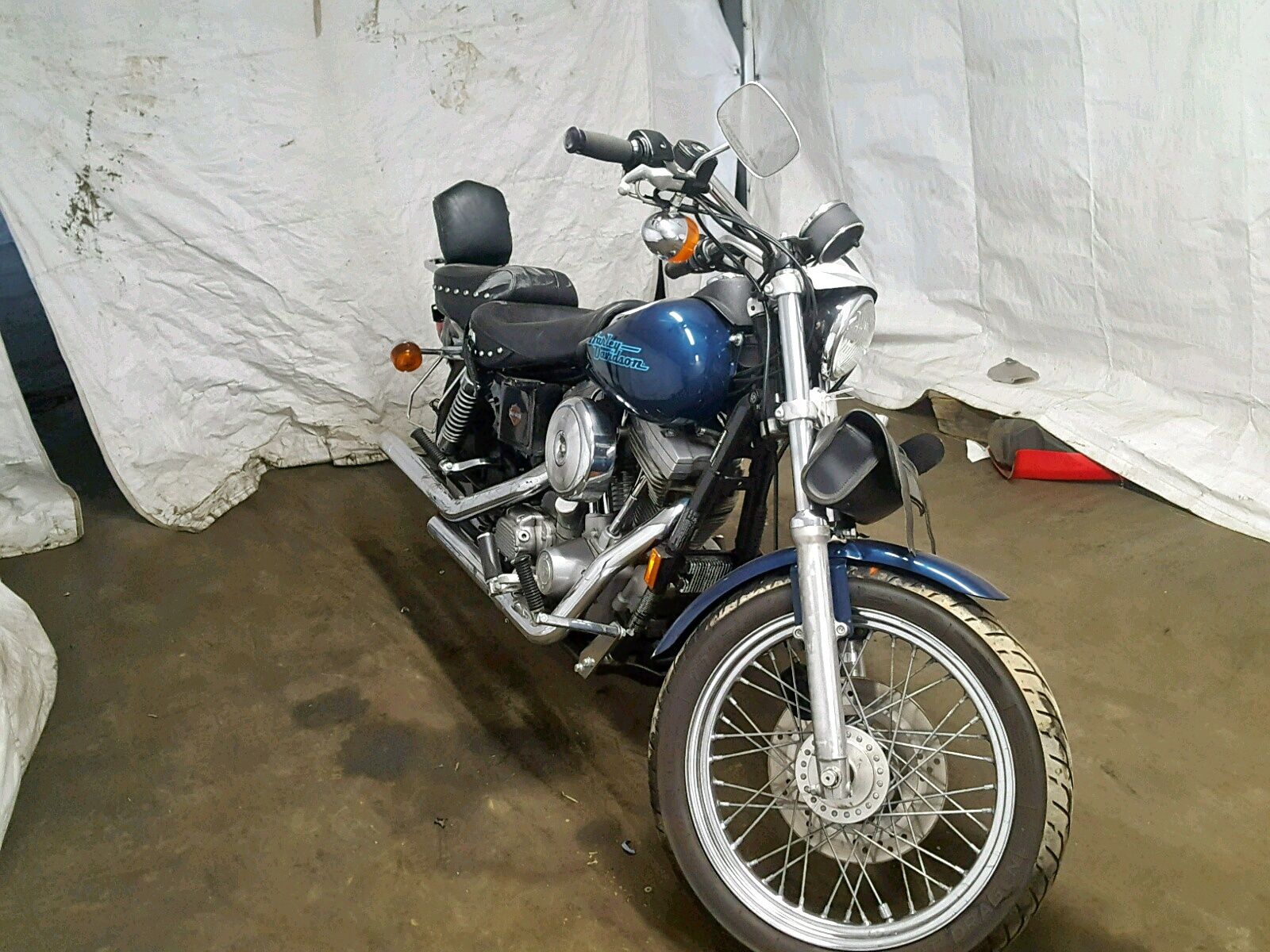
The Truth About Buying and Restoring Accident-Damaged Motorcycles
The motorcycle is more than an engine and wheels. It represents freedom, personal expression, and the excitement of driving on the open road. When these motorcycles are in an accident, they’re often labelled as damaged goods. This label doesn’t deter many motorcycle enthusiasts; it is an opportunity. The practice of buying and restoring motorcycles that have been in accidents continues to be popular among riders, mechanics and collectors. They see value hidden where others only see wreckage. To enter this market, you need a mixture of patience, knowledge and realistic expectations.
Understand Accident Damaged Motorcycles
A motorcycle that is accident damaged refers to a two-wheeler which has suffered significant damage due to a collision, unforeseen weather conditions, or faulty mechanical components. It can no longer be used on the road in its present state. These bikes are often declared a total loss by insurance companies, even if the damages appear to be repairable. This creates a unique situation for buyers: Motorcycles can be bought at a much lower price than the market value but with the added responsibility of restoration.
In auction listings, you will often see phrases such as wrecked bikes for sale. This term is not meant to be intimidating. It simply represents a system of classification. These motorcycles may only need cosmetic work, but others will require extensive structural and mechanic repairs. Research and inspection are crucial to make a decision.
What people buy when they wreck motorcycles
There are many reasons why people buy accident damaged motorcycles. Some buyers are driven by the desire to own a motorcycle without paying full retail prices. Some riders are enthusiasts who view restoration as an exciting challenge. Many collectors search for discontinued or rare models and find that even damaged versions are worth saving.
The appeal of a salvage motorcycle is great financially. Salvage motorcycles are often cheaper than their undamaged counterparts. If you browse auctions and dealerships that offer wrecked motorcycles for sale savvy buyers are aware they can save a lot of money by being patient. The trade-off, of course is that the repair costs are uncertain and time commitments will be required.
Restoration: The Realities
It’s not as easy as just replacing some parts and polishing chrome to restore an accident damaged motorcycle. The first step is to honestly assess the condition of your bike. The first thing to consider is structural integrity. An otherwise beautiful motorcycle can become a money pit over time if the frame is bent or suspension systems are compromised. After the frame has been checked, the attention is then turned to the electrical system, the bodywork, the engine and the suspension.
The easiest way to repair cosmetic damage is often the simplest. Even though scratches, cracks in fairings or worn out seats look serious, they can be easily repaired for a low price. However, structural and mechanical problems require a higher level of knowledge. If your engine won’t start, your wiring harness was destroyed by a fire or you have misaligned wheels after an impact, it may require professional help, specialized equipment, expensive replacement parts and specialized labor.
The restoration of a motorcycle is as much about the paperwork as about the wrenches. Before they are allowed to be legally driven again, rebuilt motorcycles must undergo inspections. This process can vary by state, but it usually includes safety tests, emission tests and verification of the parts used for repairs. This bureaucratic process is a must for anyone who wants to repair accident-damaged bikes.
Is it worth it to buy a bike that was written off by the insurance company?
It can, but only under certain conditions. You can determine the value by comparing the cost of the restoration to the original purchase. If you can afford to fix it, a motorcycle that has been written off due to minor cosmetic damages may make a great investment. A motorcycle with serious structural problems could cost more than a similar road-ready model. It’s important to do a thorough inspection and make honest calculations.
The Risks and Rewards in Auctions
Auctions are the primary source of accident-damaged bikes entering the market. These sales are a way for insurance companies, dealers, and private sellers to sell their salvage inventories. Salvage auctions are exciting, but also risky for buyers. The competition can push prices up higher than you expect, so it is easy to become carried away with chasing one model.
Patience is key when looking at wrecked motorcycles for sale. The buyer must be able to balance enthusiasm and restraint. They should not spend more on a bike than the motorcycle is worth. However, the reward can be substantial. Bidding successfully on a salvage bike can often mean gaining a unique project motorcycle for a fraction of its value after restoration. Rebuilding a motorcycle can be incredibly rewarding for those that love the process.
What are the skills and tools needed?
Preparation is key to restoring accident-damaged bikes. The process is easier if you have a well-equipped shop with the essential tools. Motorcycle mechanics, electrical systems and paintwork, as well as welding skills, can help you save thousands of dollars in labor costs. Many people who lack advanced mechanical knowledge work with local shops, outsourcing the more complex jobs while doing minor repairs themselves.
Another important resource is time. Restraining a bike is not a project for the weekend. It can take several weeks to restore a motorcycle, depending on its extent. The journey is often the best reward for enthusiasts, while those who want quick results can find it frustrating.
Check these items before you bid on a motorcycle that’s been wrecked
Prioritize structural integrity, engine performance, and availability of parts before bidding. It is important to have a frame that’s free of cracks and bends. Frame repairs are expensive and time-consuming. Check for leaks and electrical connections. If possible, turn the engine on. To ensure that replacement parts are available, research the aftermarket support for your model. By skipping due diligence, you can easily turn an attractive bargain into an expensive financial burden.
Restoration on the emotional side
Restoring accident damaged motorcycles involves more than just mechanics and finances. It’s also an emotional endeavor. It’s important to many motorcycle riders that they honor the spirit of their machine. To some, what appears to be a heap of metal is transformed into a blank canvas. When restoring a motorcycle, custom paints, upgrades, and personalized modifications are often added. The result is a unique bike.
The emotional attachment is often what keeps salvage bike enthusiasts coming back. The restoration of each bike allows for the creation of a new chapter. The sense of achievement is hard to beat, whether it’s an old model that was saved from obscurity, or a sports bike modernized.
Calculating Long-Term Value
The long-term benefits of restoring a motorcycle that has been damaged in an accident are not just financial. A rebuilt motorcycle will improve your mechanical knowledge, help you to solve problems, and give you a connection with it that can’t be replicated by buying a new machine.
Financial considerations are still important. Calculate the cost of all purchases, repairs, inspections and registration before committing. Comparing this price to a comparable used motorcycle that is in good shape will help you determine whether the restoration makes sense. The restoration could save you money and increase the value of the motorcycle.
Conclusions
In reality, buying and restoring damaged motorcycles can be both a challenge as well as an opportunity. The process of restoring a motorcycle can be extremely rewarding for those who have patience, mechanical skills, and love motorcycles. There will always be a market for wrecked motorcycles for sale because even though these bikes are damaged, they still have potential. The restoration of a bike requires a realistic budget, an eye for details, and the knowledge to deal with inspections, legal requirements, and other regulations.
The restored motorcycle, in the end, is not just another machine. It’s also a tale of passion, resilience and craftsmanship. This story may be worth the money and time spent on it for some. Others use it as a warning that restorations are not for those who lack the willpower. Accident-damaged bikes continue to show that despite hardships, it is still possible to get back on the road.







Post Comment