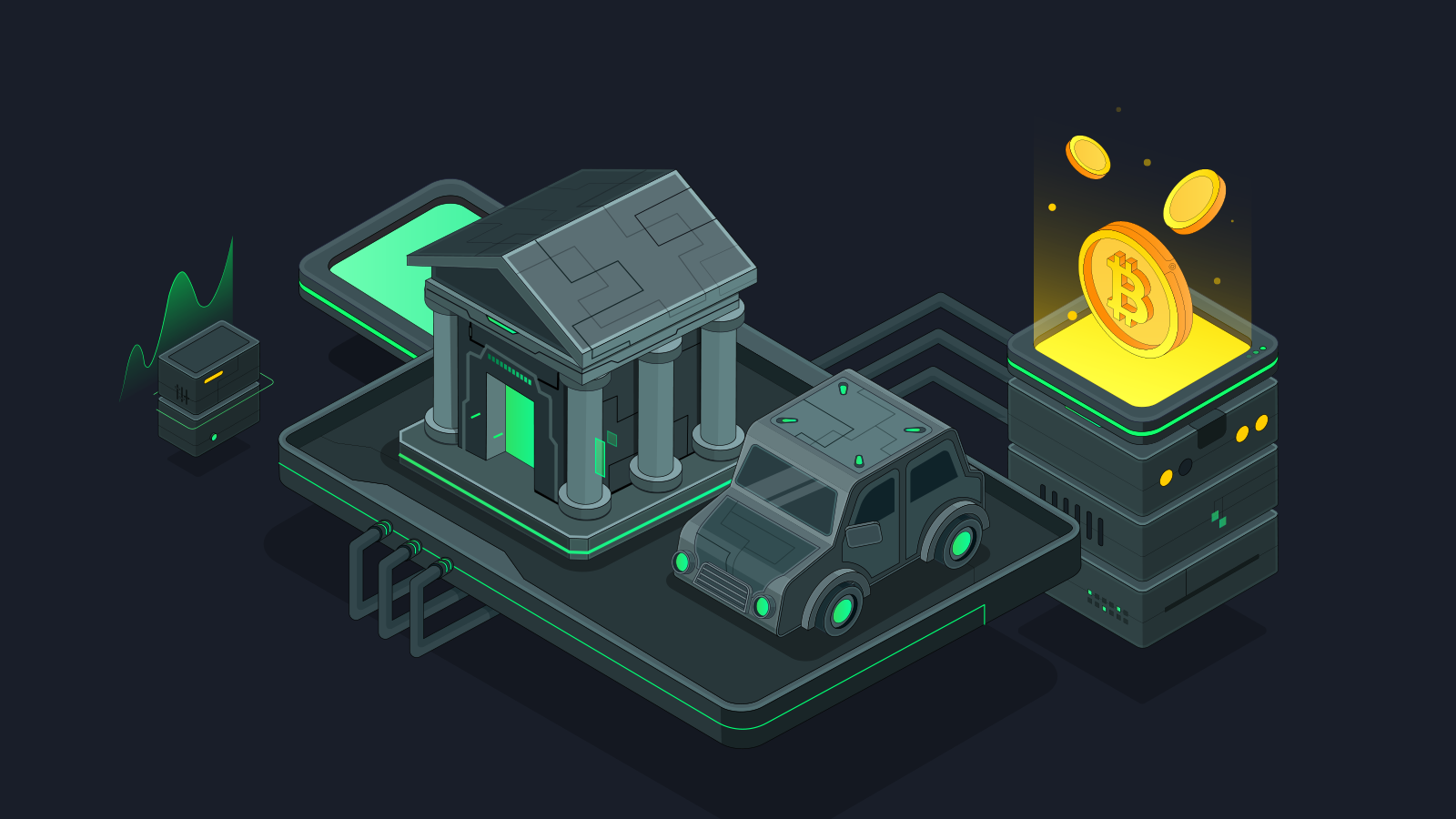
The Rise of Real-World Asset (RWA) Tokenization: Opportunities and Challenges
Tokenization is changing the way assets are owned, traded, and managed. It is transforming real estate, stocks, commodities, and even art into digital tokens. This process, known as Real-World Asset (RWA) tokenization, is gaining momentum. Blockchain technology is making it easier to convert physical assets into digital representations that can be traded on decentralized platforms.
Businesses and investors are exploring new ways to leverage blockchain for asset management. Crypto Token Development services are in high demand as companies seek efficient and secure solutions. A reliable Token Development Company can help organizations tokenize assets while ensuring compliance and security.
What is RWA Tokenization?
RWA tokenization is the process of converting physical or financial assets into blockchain-based tokens. These tokens represent ownership, rights, or a stake in a real-world asset. Unlike cryptocurrencies, these tokens are backed by tangible or financial assets, providing real-world value. The rise of this trend is driven by the need for better liquidity, transparency, and accessibility in traditional markets.
For example, real estate tokenization allows property owners to issue digital tokens representing shares in a building. Investors can buy and sell these tokens without dealing with traditional paperwork. This approach makes investments more accessible and reduces barriers to entry.
Opportunities in RWA Tokenization
Increased Liquidity
Traditional assets like real estate and private equity are illiquid. Tokenization enables fractional ownership, allowing investors to buy and sell small portions of an asset. This increases liquidity and makes asset trading more efficient.
Global Accessibility
Tokenization eliminates geographical restrictions. Investors from different parts of the world can buy and sell tokenized assets without relying on intermediaries. This opens up new opportunities for small and medium investors.
Reduced Costs
Traditional asset transactions involve high costs due to legal, administrative, and brokerage fees. Blockchain-based transactions reduce these costs by automating processes through smart contracts.
Improved Transparency
Blockchain records transactions on an immutable ledger. This ensures transparency and reduces the risk of fraud. Investors can verify ownership and transaction history without relying on third parties.
Efficient Settlement
Traditional asset transfers take days or weeks to settle. Tokenized assets can be traded and settled almost instantly. This speeds up transactions and improves market efficiency.
Challenges in RWA Tokenization
Regulatory Uncertainty
Regulatory frameworks for tokenized assets are still evolving. Different countries have different laws regarding digital assets. Compliance remains a challenge for businesses looking to enter this space.
Security Risks
Cyber threats pose a significant risk to tokenized assets. Hackers can exploit vulnerabilities in smart contracts or digital wallets. Businesses need robust security measures to protect investor funds.
Market Adoption
Despite its potential, RWA tokenization is still in its early stages. Many investors and businesses are hesitant to adopt this model due to lack of awareness and trust in blockchain technology.
Legal Complexities
Ownership rights and legal recognition of tokenized assets vary by jurisdiction. Establishing clear legal frameworks is essential to ensure investor protection and enforceability of contracts.
Infrastructure Limitations
Tokenized assets require a robust blockchain infrastructure. Scalability issues and network congestion can impact transaction speed and cost. Selecting the right blockchain platform is crucial for seamless operations.
The Role of Crypto Token Development Services
Crypto Token Development services play a crucial role in asset tokenization. These services help businesses create and manage digital tokens securely. A reliable Token Development Company ensures compliance with regulations, integrates security protocols, and builds scalable blockchain solutions.
Businesses need expert guidance to navigate technical and regulatory complexities. Professional token development services offer customized solutions based on asset type and market requirements. This ensures seamless tokenization while minimizing risks.
The Future of RWA Tokenization
The future of asset tokenization looks promising. More businesses and investors are exploring blockchain-based solutions for asset management. Governments and regulatory bodies are also working on frameworks to support tokenized assets.
As blockchain technology matures, we can expect improved scalability, security, and regulatory clarity. More traditional assets will be tokenized, creating new investment opportunities. Tokenized real estate, commodities, and equities will become more accessible to a broader audience.
Businesses that adopt asset tokenization early will gain a competitive advantage. Those leveraging Crypto Token Development services will have the infrastructure needed to scale operations efficiently. A trusted Token Development Company can help businesses navigate challenges and capitalize on emerging opportunities.
Conclusion
RWA tokenization is reshaping asset ownership and investment. It offers increased liquidity, transparency, and accessibility. However, regulatory, security, and market adoption challenges must be addressed. Businesses looking to enter this space need expert support from a reliable Token Development Company.
As the industry evolves, asset tokenization will become a standard practice in financial markets. Those who embrace this innovation early will position themselves for success in the digital economy. Blockchain technology is paving the way for a more inclusive and efficient financial ecosystem.







Post Comment