The Loverboy Hat: An Icon of Rebellion, Creativity, and Youth Culture
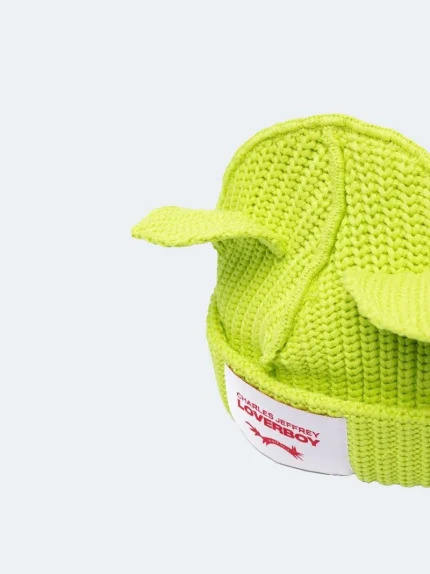
In the ever-evolving realm of contemporary fashion, few accessories command attention quite like the Loverboy hat. What might seem like a simple piece of headwear to the untrained eye is, in fact, a potent emblem of artistic defiance, gender-fluid self-expression, and underground cool. The Loverboy hat, particularly the signature knitted bunny balaclava created by Charles Jeffrey, has earned cult status among fashion insiders, boundary-pushing creatives, and style-conscious youth across the globe.
This is more than just a hat—it’s a symbol. A loud, unapologetic shout from the margins of mainstream fashion, forged in the fires of punk rebellion, queer club culture, and a new wave of maximalist expression. To understand the Loverboy hat is to delve into the psyche of a new generation that refuses to be boxed in, categorized, or silenced. It is a headpiece that wraps itself not just around the wearer’s skull, but around the larger conversation of identity, visibility, and art.
The Origins: Charles Jeffrey and the Birth of Loverboy
To understand the significance of the Loverboy hat, one must first understand its creator—Charles Jeffrey, the Scottish designer who has turned his personal story into a revolutionary fashion narrative. Jeffrey founded Charles Jeffrey LOVERBOY in 2015 while still studying at Central Saint Martins in London. His work has always been rooted in performance art, gender exploration, and youth subcultures. His nights hosting the queer club event “LOVERBOY” at London’s Vogue Fabrics birthed an atmosphere where fashion and performance clashed in glorious, colorful chaos.
The Loverboy hat, especially the iconic bunny balaclava, first emerged within this context. It was both a practical statement—a way to keep warm during the U.K.’s bone-chilling winters—and a piece of wearable theater. With elongated bunny ears and vibrant wool colors, the hat quickly captured the imagination of those who viewed fashion as more than aesthetics. For Jeffrey, the hat became a vessel through which he could challenge the rigid binaries of gender, identity, and dress codes.
Aesthetics of the Absurd: Playful Yet Purposeful
What makes the Loverboy hat stand out in a sea of accessories is its unrepentant strangeness. It’s not just different—it’s deliberately odd. With its soft knit, exaggerated shapes, and rainbow hues, it blurs the lines between cartoonish humor and serious art. This duality is its power. On one hand, it resembles something pulled out of a child’s dress-up box. On the other, it channels the avant-garde defiance of Vivienne Westwood or the theatricality of Leigh Bowery.
The hat’s structure—a snug, balaclava-like fit with exaggerated bunny ears—also holds a deeper cultural reference. It evokes traditional symbols of innocence and playfulness (the bunny), but reimagines them with a subversive, punk energy. The ears may stand upright, droop lazily, or flop wildly depending on the knit and styling, adding to the piece’s unpredictable charm. Every wearer seems to imbue it with a different energy: naïve, rebellious, flamboyant, sinister, or simply whimsical.
Fashion as Protest: The Loverboy Hat as Political Statement
The Loverboy hat is not simply a quirky accessory—it is deeply political. In a fashion world often obsessed with minimalism, functionality, and polished perfection, the Loverboy hat dares to be extra. And in doing so, it becomes a middle finger to the gatekeepers of taste. But even beyond the critique of fashion norms, it speaks to broader societal issues.
By embracing absurdity, flamboyance, and theatricality, the hat makes a clear statement about gender fluidity and queer liberation. It challenges the norms of what is “acceptable” in public spaces. To wear a Loverboy hat is to consciously opt into visibility, to make oneself a moving target in a world that still often punishes difference. And yet, in the act of wearing it, there is joy, power, and resistance.
The hat becomes a kind of wearable shield—simultaneously armor and invitation. It demands that the wearer be seen, and in turn, it creates space for others to do the same. For LGBTQ+ youth, in particular, the Loverboy hat functions almost like a flag: a visual signal of belonging to a broader movement of radical authenticity.
Celebrity Endorsement and Viral Stardom
The Loverboy hat’s rise from niche clubwear to global fashion phenomenon wasn’t purely organic—it was fueled, in part, by high-profile visibility. Celebrities and fashion-forward musicians have donned the piece with pride, further amplifying its reach. Artists like Harry Styles, Lil Nas X, Ezra Miller, and Troye Sivan have embraced the hat’s off-kilter allure, pairing it with bold outfits and pushing its strange beauty into mainstream consciousness.
Even beyond celebrities, the hat found a natural home in the world of Instagram and TikTok, where aesthetics often speak louder than words. In an era of face-centric content creation, a hat like the Loverboy’s—loud, expressive, and perfect for selfies—was bound to catch on. Influencers and fashion vloggers eagerly incorporated it into their wardrobe, showcasing its adaptability across styles ranging from gothic glam to kawaii, from punk to cottagecore.
Craftsmanship and Sustainability: More Than Just a Trend
Despite its playful appearance, the Loverboy hat is no gimmick. Each piece is meticulously handcrafted, often using high-quality wool blends, ensuring that the accessory remains both durable and environmentally mindful. Charles Jeffrey and his team have shown a deep commitment to sustainable practices, embracing slower production models and championing local artisanship.
This commitment elevates the hat beyond trend status. It is not mass-produced fast fashion. Rather, each hat is a small work of art—imperfect, unique, and imbued with personal and cultural significance. In an age of ephemeral style cycles, the Loverboy hat remains a steadfast anomaly: not disposable, but collectible. It has already begun to achieve a kind of archival value, with early versions now highly sought after in fashion resale markets.
Styling the Loverboy Hat: Limitless Interpretations
One of the most beautiful things about the Loverboy hat is how it refuses to be pinned down to any one aesthetic. While it may have originated in London’s queer club scene, it now floats freely through all manner of fashion subcultures. Pair it with a sharply tailored coat and leather boots for a dystopian runway look. Or throw it on with an oversized hoodie and combat pants for urban grunge. Layer it into a whimsical, vintage ensemble with pastel hues, ruffles, and lace.
The hat doesn’t dictate—it collaborates. Each person who wears it brings something new to its character. Some style it with delicate eye makeup and pearls; others with face paint and chains. It functions not just as an accessory, but as a mood, an alter ego, a fashion experiment.
In this way, it resists the typical life cycle of “trendy” items. Where other viral pieces fade quickly into irrelevance, the Loverboy hat constantly reinvents itself—because its meaning changes with each wearer. It doesn’t ask you to conform to its style. It adapts to yours.
Cultural Impact and Legacy: A Future Icon
Looking at the arc of the Loverboy hat’s existence, it’s not an overstatement to say that it is already well on its way to becoming an iconic fashion artifact. It captures the spirit of a moment in time: the post-pandemic hunger for expression, the widespread rejection of gender binaries, and the millennial/gen-Z embrace of maximalism and meaning.
More than a product, the Loverboy hat is a cultural timestamp. It lives in the same lineage as the safety pin of punk rock, the corset of New Romanticism, and the hoodie of modern protest. It’s a reminder that fashion, at its best, is not just about dressing the body—it’s about dressing the soul, the anger, the desire, and the dreams of a generation.
The hat’s continued presence on runways, in art galleries, in underground clubs, and on TikTok trends only cements its place in the fashion pantheon. It will be remembered not just as a quirky trend, but as a meaningful chapter in the story of how young people reclaimed fashion as a tool of resistance and joy.
Conclusion: The Loverboy Hat as Emotional Armor
In a world that often demands conformity, the Loverboy hat dares to stand out. It is bold, bizarre, playful, powerful—and utterly human. It reminds us that clothing can be both absurd and sacred. It gives its wearer the chance to become someone else—or to finally be fully themselves.
Whether you wear it as a piece of performance art, as an ode to queer identity, or simply because it makes you smile, the Loverboy hat has a place in your wardrobe and your psyche. It’s a declaration of creativity, a soft rebellion wrapped in wool, and one of the most unique expressions of modern fashion you’re likely to find.








Post Comment