The Essential Guide to the Enucleation Scissor in Ophthalmic Surgery
Ophthalmic surgery demands a level of precision that is unmatched in many other medical fields. Surgeons rely on specialized instruments designed for delicate tasks, where every movement counts. Among these critical tools is the enucleation scissor, an instrument engineered specifically for one of the most sensitive procedures in eye surgery. Azeemed Instruments is dedicated to providing high-quality surgical tools that empower professionals to perform with confidence and accuracy. Understanding the design and function of these scissors is crucial for any ophthalmic team committed to achieving the best patient outcomes.
This guide will explore the unique characteristics of the enucleation scissor, its role in surgical procedures, and what sets a high-quality instrument apart. We will also touch upon the importance of proper handling and maintenance, ensuring that these vital tools remain reliable for every procedure. For surgeons and medical staff, having a dependable instrument is not just a matter of convenience—it is a cornerstone of patient safety and surgical success.
Precision Engineered for Ophthalmic Procedures
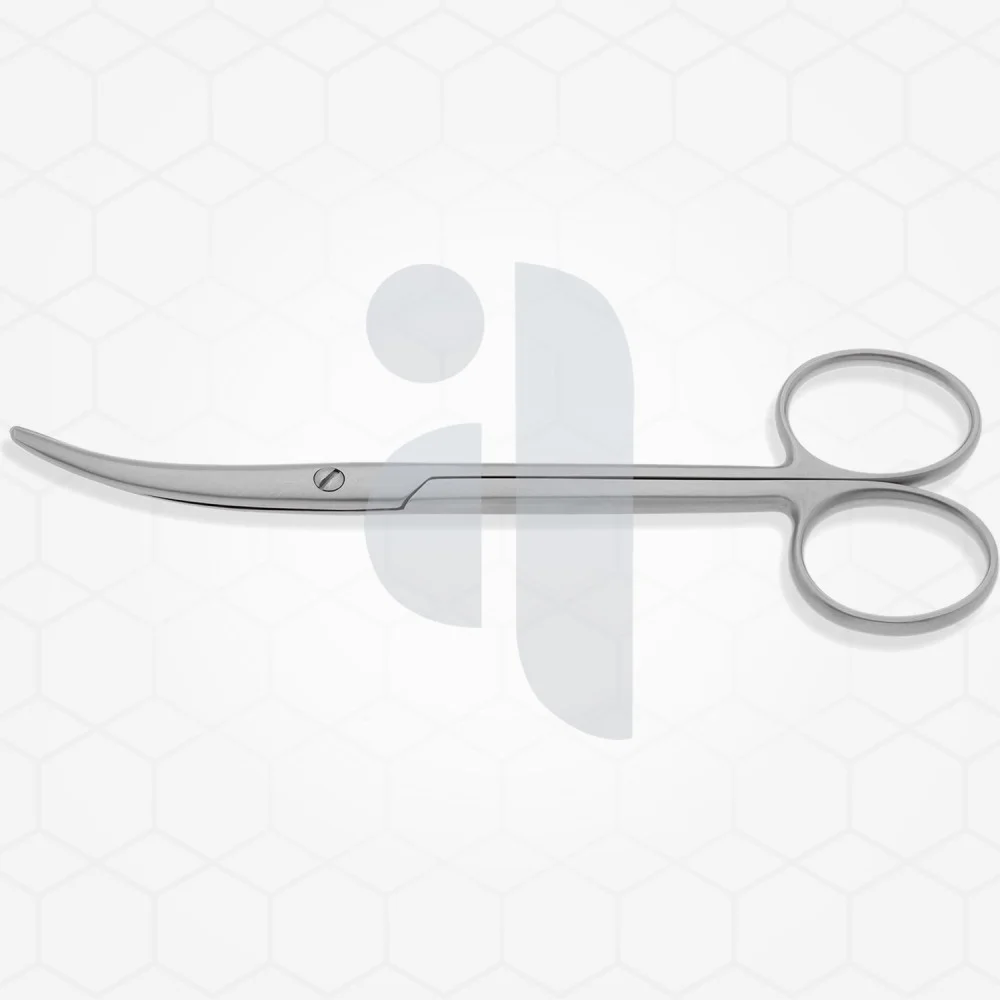
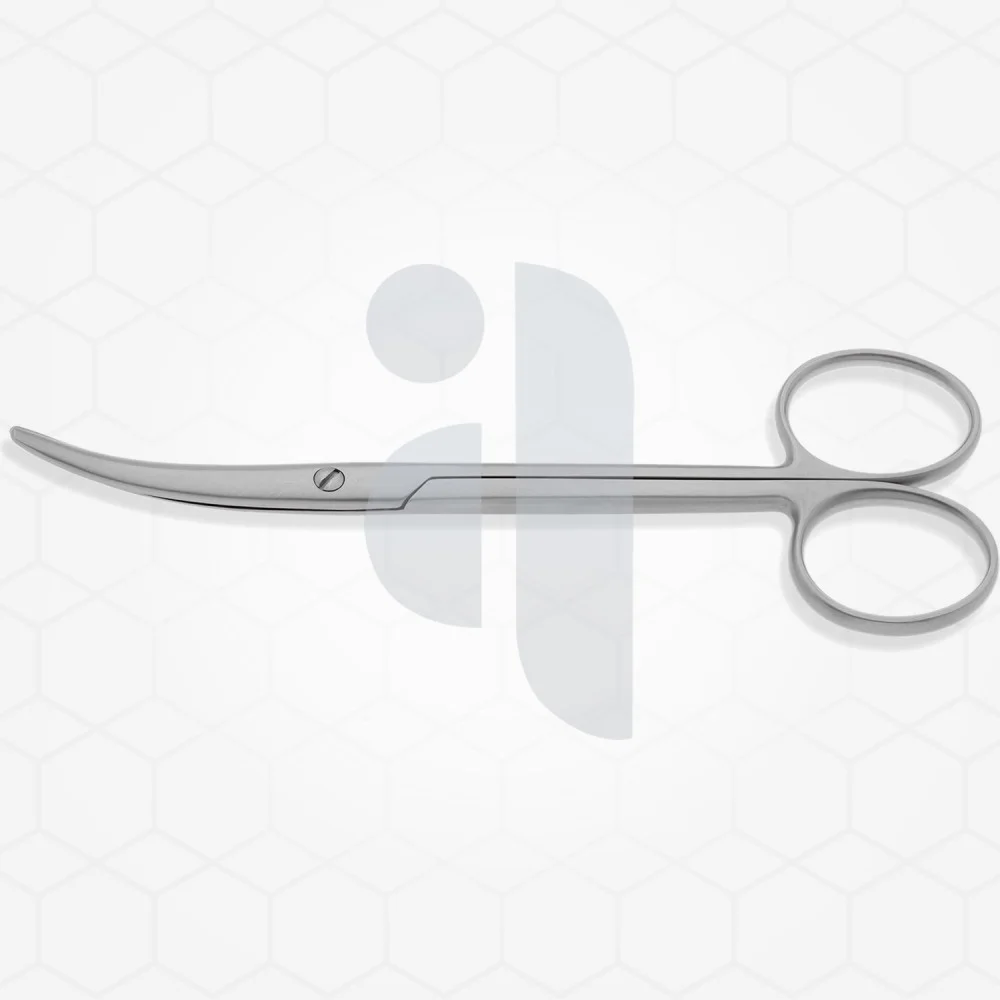
The primary function of an enucleation scissor is to perform the transection of the optic nerve during enucleation, which is the surgical removal of the entire eyeball. This procedure is typically a last resort, performed in cases of severe trauma, malignant tumors like retinoblastoma, or to relieve uncontrollable pain in a blind eye. The design of the scissor is uniquely adapted for this task. It features strong, curved blades that can navigate the tight confines of the orbital space to reach and sever the optic nerve cleanly and efficiently.
Unlike standard scissors dissecting tissue in other parts of thebody, the enucleation scissor has a distinct, robust construction. Its heavy curvature allows the surgeon to slide the instrument around the globe of the eye, positioning the blades precisely at the back of the orbit. The tips are often blunted to minimize the risk of accidental perforation of surrounding tissues. At Azeemed Instruments, we understand that the quality of the materials and the precision of the manufacturing process directly impact the tool’s performance. That is why we ensure every instrument meets rigorous standards for sharpness, durability, and ergonomic design, providing surgeons with the control they need.
The Importance of High-Quality Materials and Design
When selecting surgical tools, particularly something as specialized as an enucleation scissor, the quality of the material is paramount. Surgical-grade stainless steel is the industry standard due to its exceptional strength, corrosion resistance, and ability to hold a sharp edge. The finish of the instrument, whether polished or matte, also plays a role. A matte finish can reduce glare under bright operating room lights, helping to minimize eye strain for the surgeon during long and complex procedures.
The ergonomic design is another critical factor. The handles of the scissor must provide a comfortable and secure grip, allowing the surgeon to apply controlled force without fatigue. The balance of the instrument affects its maneuverability, and a well-balanced tool feels like a natural extension of the surgeon’s hand. This synergy between surgeon and instrument is essential for the delicate work involved in ophthalmic surgery. Every enucleation scissor from Azeemed Instruments is crafted to provide this optimal balance, ensuring reliability and superior handling when it matters most.
Care and Maintenance for Longevity and Safety
Proper care and maintenance are essential for preserving the integrity and function of any surgical instrument. After each use, the enucleation scissor must be thoroughly cleaned, disinfected, and sterilized according to established hospital protocols. Manual cleaning to remove all biological debris is a critical first step before placing the instrument in an autoclave. Debris left on the blades or in the hinge can interfere with sterilization and lead to corrosion or stiffness over time.
Regular inspection is also necessary. Check the blades for any signs of dullness, nicks, or misalignment. The hinge mechanism should move smoothly without being too loose or too tight. Any instrument showing signs of wear and tear should be sent for professional sharpening or repair to ensure it continues to meet performance standards. Adhering to a strict maintenance schedule not only extends the life of your surgical tools but also upholds the highest standards of patient safety by ensuring every instrument is in perfect working condition.
Conclusion: A Commitment to Surgical Excellence
The enucleation scissor is a highly specialized instrument that plays a vital role in challenging ophthalmic surgeries. Its unique design, high-quality construction, and proper maintenance are all crucial elements that contribute to successful surgical outcomes. For medical professionals, having access to reliable and precisely engineered tools is non-negotiable.
Azeemed Instruments remains committed to supporting surgeons by providing instruments that meet the highest standards of quality and performance. By focusing on superior materials, ergonomic design, and meticulous craftsmanship, we help ensure that professionals have the tools they need to perform with confidence and precision. This dedication to excellence is at the core of our mission to advance surgical care and enhance patient safety.







Post Comment