
The Complete Guide to Modern Hair Restoration
Hair restoration has become one of the most advanced and rewarding fields in aesthetic medicine. For many men and women, hair loss can be a sensitive issue that affects not only appearance but also confidence and self-image. Understanding how hair restoration works, what options are available, and how to select the right clinic are key steps toward achieving a natural, long-lasting transformation.
This article explores everything you need to know about the process — from the causes of hair loss to the most effective solutions — so you can make an informed decision about your treatment journey.
Understanding the Causes of Hair Loss
Hair loss can result from a combination of genetic, hormonal, and environmental factors. The most common type, androgenetic alopecia (pattern baldness), is hereditary and affects both men and women. In this condition, the hair follicles gradually shrink, leading to thinner hair strands and eventually, a halt in new growth.
Other contributing causes include:
-
Stress and lifestyle: Chronic stress, poor nutrition, and smoking can accelerate shedding.
-
Medical conditions: Thyroid disorders, autoimmune diseases, and certain medications may trigger hair loss.
-
Hormonal imbalances: Common during pregnancy, menopause, or due to high DHT levels.
-
Environmental damage: Sun exposure, harsh chemicals, and pollution can weaken hair over time.
Identifying the cause is the first step. A professional assessment by a qualified surgeon or trichologist will determine whether surgical or non-surgical solutions are most suitable for your condition.
Non-Surgical Hair Restoration Options
Not every patient needs surgery to restore their hair. In the early stages of thinning, several non-invasive treatments can help stimulate regrowth and slow down further loss.
1. PRP Therapy (Platelet-Rich Plasma)
PRP uses your body’s own platelets to rejuvenate dormant hair follicles. The treatment is quick, natural, and effective for patients experiencing mild to moderate hair thinning.
2. Medication
Clinically approved medications such as minoxidil and finasteride can help preserve existing hair and encourage regrowth when used consistently under medical supervision.
3. Low-Level Laser Therapy (LLLT)
This technology uses light energy to stimulate follicle activity and improve scalp circulation, promoting thicker and stronger hair over time.
4. Scalp Micropigmentation (SMP)
A non-surgical cosmetic solution that creates the appearance of denser hair through precise pigment application to the scalp.
The Science Behind Surgical Hair Restoration
When non-surgical treatments no longer achieve the desired results, surgical hair restoration becomes a permanent and natural-looking option. The principle is simple yet highly advanced: hair follicles resistant to baldness are carefully extracted from the donor area (typically the back or sides of the scalp) and transplanted into thinning or bald regions.
There are two main techniques used today:
-
FUE (Follicular Unit Extraction) – Individual hair follicles are removed and implanted directly into the recipient area. This method leaves no visible linear scar and allows for a quicker recovery.
-
FUT (Follicular Unit Transplantation) – A thin strip of scalp is removed from the donor area, and individual follicular units are dissected under a microscope before transplantation. FUT can be beneficial for patients needing a larger number of grafts.
The choice between FUE and FUT depends on your hair type, degree of loss, and desired outcome.
It’s around this stage that many patients begin researching where to undergo their hair transplant London procedure, comparing clinics, technology, and surgeon experience to ensure a natural, lasting result.
What to Expect During the Procedure
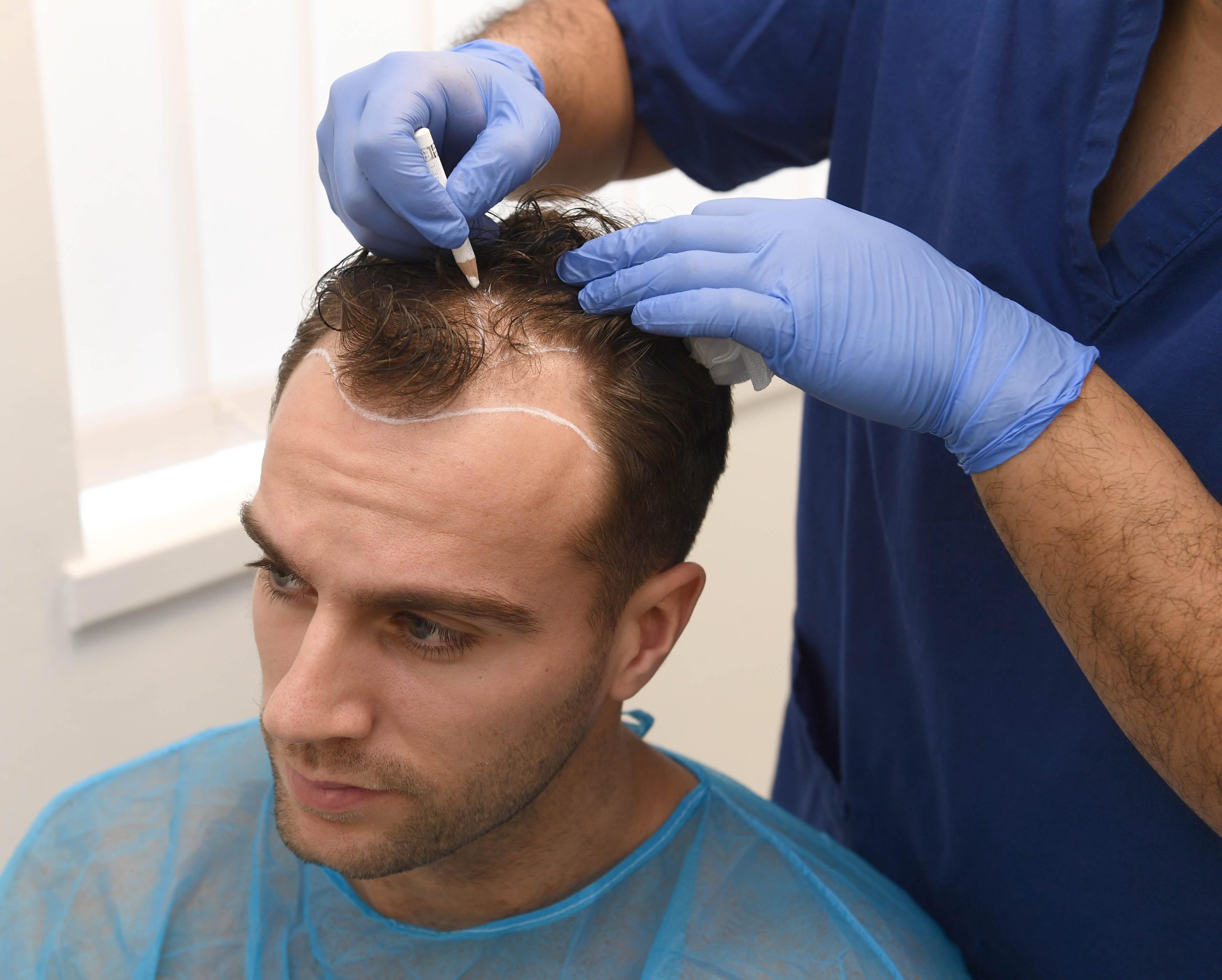
A typical hair transplant begins with an in-depth consultation where your surgeon analyses your scalp, hairline, and donor area. Together, you’ll develop a treatment plan tailored to your aesthetic goals.
On the day of surgery:
-
The procedure is carried out under local anaesthetic.
-
Grafts are extracted and carefully implanted following your natural hair growth pattern.
-
Depending on the number of grafts, the process can take several hours.
-
Patients are usually able to return home the same day.
Recovery and Aftercare
Post-surgery, mild redness or swelling can occur but typically subsides within a few days. Following your surgeon’s aftercare instructions is crucial for optimal results. You’ll be advised to avoid heavy exercise, direct sunlight, and touching the grafted area for a short period.
New hair growth generally begins around 3–4 months after the procedure. Noticeable thickening continues over the next 6–12 months, with full results typically visible after one year. Because transplanted follicles are genetically resistant to hair loss, the results are permanent and completely natural in appearance.
How to Choose the Right Clinic
Selecting a clinic for hair restoration requires careful research. Here are some essential factors to consider:
-
Medical Credentials: Ensure your surgeon is fully qualified and registered with the General Medical Council (GMC).
-
Experience: Look for clinics that specialise exclusively in hair restoration rather than offering it as one of many cosmetic procedures.
-
Before-and-After Results: Reputable clinics provide transparent, real patient results.
-
Consultation Process: A genuine clinic will offer a consultation directly with a surgeon, not a salesperson.
-
Patient Reviews: Look for consistent positive feedback regarding care, professionalism, and outcomes.
A trustworthy clinic focuses on patient education, safety, and long-term satisfaction rather than sales-driven promises.
The Benefits of Professional Hair Restoration
Beyond the physical change, hair restoration can deeply impact emotional well-being. Patients often report higher self-esteem, improved confidence, and even professional and social benefits following successful treatment.
When performed by a qualified team, the transformation is subtle yet powerful — restoring not only hair but also a sense of youth and vitality.
Final Thoughts
Modern hair restoration blends medical expertise, artistry, and technology to achieve results that look entirely natural. Whether you’re experiencing early thinning or more advanced hair loss, professional assessment and customised planning can help determine the right path forward.
If you’re considering treatment options and want to understand what’s achievable for your individual case, schedule a consultation with Westminster Medical Group. Our experienced surgeons provide honest, transparent advice and create personalised treatment plans designed for lasting, natural results.
Experience world-class care and artistry — and see why so many patients trust our team for their hair transplant London procedure.






Post Comment