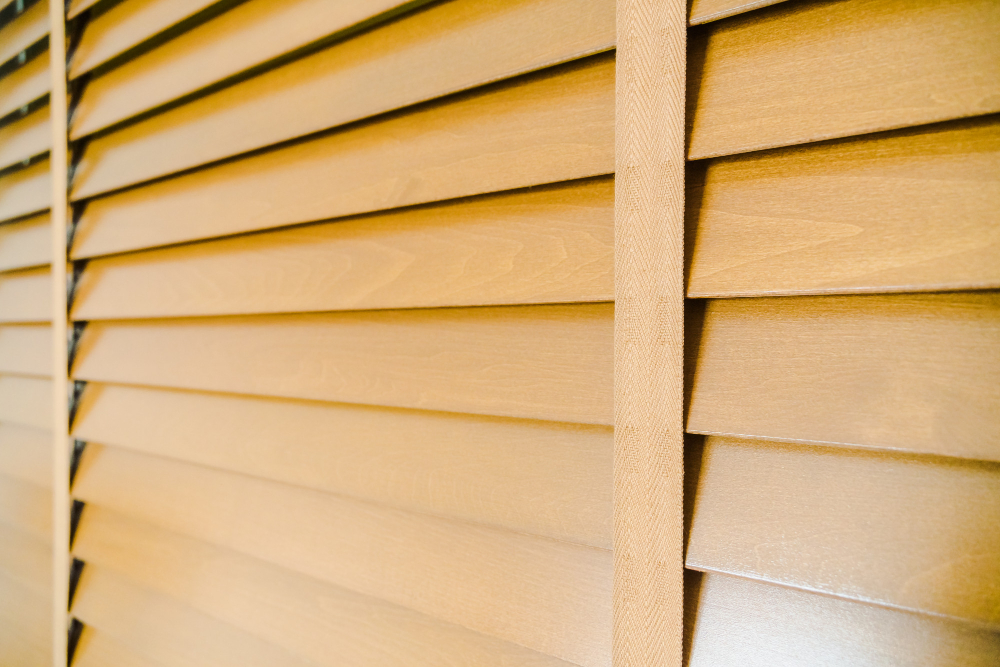
The Best Materials for Wood Louvers in the Philippines in a Tropical Climate: A Guide for Homeowners
Wood louvers in the Philippines are much more than a design feature; they are a highly functional element of tropical architecture. They offer an ideal solution for controlling intense sunlight, managing airflow to keep interiors cool, and adding classic aesthetic appeal to a home. However, the decision to install wood comes with a significant challenge: the tropical climate. The high humidity, frequent rain, and relentless pests of the tropics mean the wrong material will quickly deteriorate. Selecting the right wood or alternative is essential for durable wood louvers.
The Tropical Test: Why Standard Wood Fails
Before selecting a material, homeowners must understand the primary threats posed by the local environment. High atmospheric moisture causes standard, untreated wood to swell, crack, and warp over time, compromising the louver’s functionality and fit. Furthermore, the Philippines is home to aggressive termites (anay) and wood borers (bukbok) that can quickly destroy most untreated timber, turning a beautiful facade into a costly structural issue. Finally, intense UV rays accelerate degradation, leading to color fading, chalking of finishes, and weakening of the wood fibers.
Indigenous and Durable Natural Woods
For homeowners committed to the unmatched look and feel of real timber, indigenous Philippine hardwoods are the most resilient natural choice.
Yakal (The Hardwood King)
Yakal is known for its exceptional natural strength and density. It naturally resists termites and rot, making it highly durable even with constant exposure to the elements. However, Yakal comes with a very high cost, and its sourcing can be difficult due to environmental restrictions on harvesting, making it less accessible for large projects. It is also significantly heavy.
Philippine Mahogany (Tanguile/Lauan)
This is the most popular and affordable choice due to its availability and ease of working with. Despite its popularity, Tanguile has low natural resistance to pests and moisture. To survive as exterior wood louvers in the Philippines, it requires professional pressure-treatment and a strict, recurrent maintenance schedule of sealing and varnishing. This necessary maintenance adds a long-term cost to consider.
Narra
Narra is prized for its beautiful aesthetic and famous reddish-golden hue, offering good natural hardness and a classic look. However, due to its protected status, Narra is expensive and often scarce for use in new construction. For these reasons, it is best suited only for smaller, less exposed accent pieces rather than entire louver systems.
Engineered and High-Performance Alternatives
Modern technology offers synthetic and treated options that mimic the look of wood while offering superior resistance to the tropical climate.
Wood Plastic Composite (WPC) / Synthetic Wood
WPC is the low-maintenance champion. It’s completely unaffected by water or humidity, requires zero maintenance, and is 100% pest-proof (no termites, no rot), while also offering excellent color stability. The primary drawbacks are that the initial cost is significantly higher than local softwoods, and some types can look less natural than real timber. WPC can also absorb and retain heat more than natural wood, which is a consideration for heavily sunlit areas.
Pressure-Treated Pine (Imported)
This material is cost-effective and provides guaranteed protection against termites and rot thanks to the deep chemical treatment process it undergoes. Its main disadvantages are that it needs regular re-sealing to protect the surface from the sun and generally looks less premium than local hardwoods.
Essential Maintenance for Longevity
Regardless of the material chosen, the longevity of wood louvers in the Philippines depends heavily on correct installation and consistent care.
The Finish is Key
Homeowners must use exterior-grade, UV-resistant sealants. A high-quality oil-based finish penetrates the wood for deep protection, while water-based acrylics form a durable protective film on the surface. For natural wood, skipping this step is never advisable.
Regular Inspection
Routine cleaning and a bi-annual inspection are crucial. Homeowners should regularly check all joints, fixings, and screws for signs of rust or swelling, which are often the first points of failure that allow moisture ingress.
Drainage
It is vital to ensure the louver design allows water to shed quickly and completely. Any design feature that allows water to pool will drastically reduce the material’s lifespan. Pooling water creates a breeding ground for rot, even in durable materials.
Key Takeaway
For installing wood louvers in the Philippines, homeowners must balance the desire for natural aesthetics with the need for practical durability. If budget is the primary concern, pressure-treated Philippine Mahogany is the most viable option, provided a rigorous maintenance schedule is followed. However, for maximum peace of mind and minimal long-term expense, Yakal (if sourced) or Wood Plastic Composite (WPC) offers the best resilience against the destructive forces of the tropical climate. Homeowners must also stay on top on maintenance to keep the louvers looking functional and aesthetically pleasing.






Post Comment