Signs Your Car Battery is Dying and How to Replace It
Your car battery is one of the most critical components of your vehicle. It powers everything—from starting the engine to keeping the lights, radio, and air conditioning running. However, like all mechanical components, car batteries have a limited lifespan and can wear out over time. A failing battery can leave you stranded at the worst possible time, which is why it’s essential to recognize the warning signs early and replace it before it completely dies.
Auto Inc Tanzania is your trusted destination for all car needs. We offer expert car services, premium accessories, and high-quality automotive products. From maintenance to upgrades, our solutions are tailored for every vehicle model, ensuring reliability, style, and affordability. Drive confidently with Auto Inc Tanzania’s exceptional care and customer satisfaction.
In this article, we will discuss the common signs of a dying car battery and provide a step-by-step guide on how to replace it safely and efficiently.
Understanding How a Car Battery Works
Before diving into the warning signs, it’s important to understand how a car battery functions. Your car’s battery supplies the electrical energy needed to start the engine and powers various electrical components such as lights, radio, and other accessories. Once the engine starts, the alternator takes over and recharges the battery while the vehicle is running.
A typical car battery lasts between 3 to 5 years, but factors such as extreme weather conditions, frequent short trips, and lack of maintenance can shorten its lifespan. Knowing the signs of a failing battery can help you take preventive measures before it’s too late.
Signs Your Car Battery is Dying
1. Slow Engine Crank
One of the most obvious signs of a dying car battery is a slow engine crank. When you turn the key or press the start button, the engine may take longer than usual to start. This happens because the battery doesn’t have enough power to turn the engine over efficiently.
What to Watch For:
- The engine cranks slower than normal.
- You hear a clicking noise before the engine starts.
2. Dashboard Warning Light
Modern vehicles come equipped with a battery warning light on the dashboard. If this light illuminates while you’re driving, it’s a clear indication that your battery is not charging properly or is nearing the end of its life.
What to Watch For:
- A battery-shaped warning light.
- The warning light may stay on even after the engine starts.
3. Dim Headlights and Electrical Issues
A dying battery affects the performance of your vehicle’s electrical system. Dim headlights, flickering interior lights, and malfunctioning power windows or radio are all signs that your battery is struggling to supply power.
What to Watch For:
- Dim headlights, especially at night.
- Inconsistent performance of power accessories.
4. Clicking Sound When Turning the Key
When the battery is extremely weak or almost dead, you may hear a rapid clicking sound when you attempt to start the car. This sound is an indication that the starter motor is trying to engage, but there isn’t enough power to turn over the engine.
What to Watch For:
- Repeated clicking noises without the engine starting.
Keep your engine running smoothly with Auto Inc’s professional Tyre Service. We use high-quality oils to ensure optimal performance and longevity for your vehicle. Combine this with our wide range of car services, accessories, and products for a complete car care experience. Trust Auto Inc for excellence and reliability.
5. Frequent Jump Starts
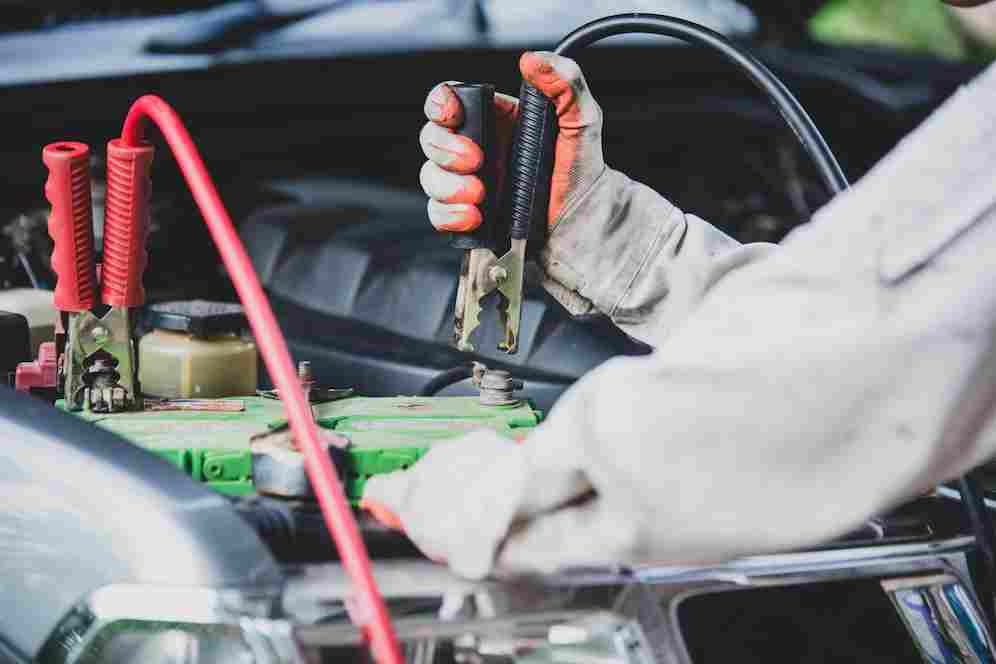
If you find yourself needing to jump-start your vehicle frequently, this is a red flag that your battery is no longer holding a charge. While jump-starting can provide a temporary fix, it’s not a long-term solution.
What to Watch For:
- Repeated need for jump-starts.
- Battery struggles to hold a charge even after recharging.
6. Corrosion on Battery Terminals
Corrosion on the battery terminals can lead to poor electrical contact, resulting in starting issues and reduced battery performance. Corrosion typically appears as a white, ashy substance around the battery terminals.
What to Watch For:
- Visible buildup around the battery terminals.
- Difficulty starting the vehicle despite a fully charged battery.
7. Swollen or Bloated Battery Case
Extreme heat or overcharging can cause the battery case to swell, indicating that the internal components are damaged. A swollen battery is a serious safety hazard and should be replaced immediately.
What to Watch For:
- A visibly distorted or bloated battery case.
8. Old Age of the Battery
If your battery is over 3 to 5 years old, it’s wise to get it tested periodically. Even if there are no immediate signs of failure, an old battery may suddenly stop working without warning.
What to Watch For:
- Check the manufacture date on the battery label.
- Consider replacing the battery after 3 years, even if it seems fine.
How to Replace Your Car Battery: Step-by-Step Guide
If you’ve noticed any of these signs and determined that it’s time for a new battery, replacing it is a straightforward process. Follow these steps to ensure a safe and successful battery replacement.
Step 1: Gather Necessary Tools and Supplies
Before you begin, make sure you have the following tools and materials:
- New car battery (ensure it matches your vehicle’s specifications)
- Wrench or socket set
- Gloves and safety goggles
- Battery cleaning solution or baking soda and water
- Wire brush or terminal cleaner
Step 2: Park and Prepare Your Vehicle
- Park the vehicle on a flat surface and engage the parking brake.
- Turn off the engine and remove the keys.
- Open the hood and locate the battery.
Step 3: Disconnect the Battery Terminals
- Always start by disconnecting the negative terminal first. This is usually marked with a minus (-) sign or black color. Use a wrench to loosen the nut and remove the cable.
- Next, disconnect the positive terminal, marked with a plus (+) sign or red color.
Safety Tip: Disconnecting the negative terminal first prevents accidental short circuits.
Step 4: Remove the Old Battery
- Unscrew any clamps or brackets securing the battery in place.
- Carefully lift the old battery out of the tray. Batteries can be heavy, so handle them with care.
Step 5: Clean the Battery Terminals and Tray
- Inspect the battery tray and terminals for corrosion.
- Use a mixture of baking soda and water or a commercial battery cleaning solution to clean the terminals. Scrub with a wire brush to remove any buildup.
Step 6: Install the New Battery
- Place the new battery into the tray, ensuring the positive and negative terminals are in the correct position.
- Secure the battery using the clamps or brackets.
Step 7: Connect the Battery Terminals
- Connect the positive terminal first and tighten it securely.
- Next, connect the negative terminal and ensure it is tightly secured.
Step 8: Double-Check Connections and Start the Engine
- Ensure both terminals are securely connected.
- Start the engine to confirm that the new battery is functioning properly.
- Check for any warning lights on the dashboard.
Pro Tips for Extending Battery Life
To maximize the lifespan of your new car battery, follow these maintenance tips:
- Limit Short Trips: Frequent short trips don’t allow the battery to recharge fully.
- Keep Battery Terminals Clean: Regularly clean the terminals to prevent corrosion.
- Avoid Extreme Temperatures: Park your vehicle in a shaded area during hot weather and use a battery blanket in extreme cold.
- Test Your Battery Periodically: Have your battery tested every 6–12 months to monitor its condition.
Final Thoughts
Recognizing the warning signs of a dying car battery and replacing it in a timely manner can save you from unexpected breakdowns and costly repairs. By staying proactive and following the steps outlined in this guide, you can ensure that your vehicle remains reliable and ready for the road.
A well-maintained battery not only powers your vehicle efficiently but also contributes to a smooth and stress-free driving experience. Don’t wait for your battery to fail—replace it as soon as you notice the signs and enjoy peace of mind knowing that your vehicle is in good hands.








Post Comment