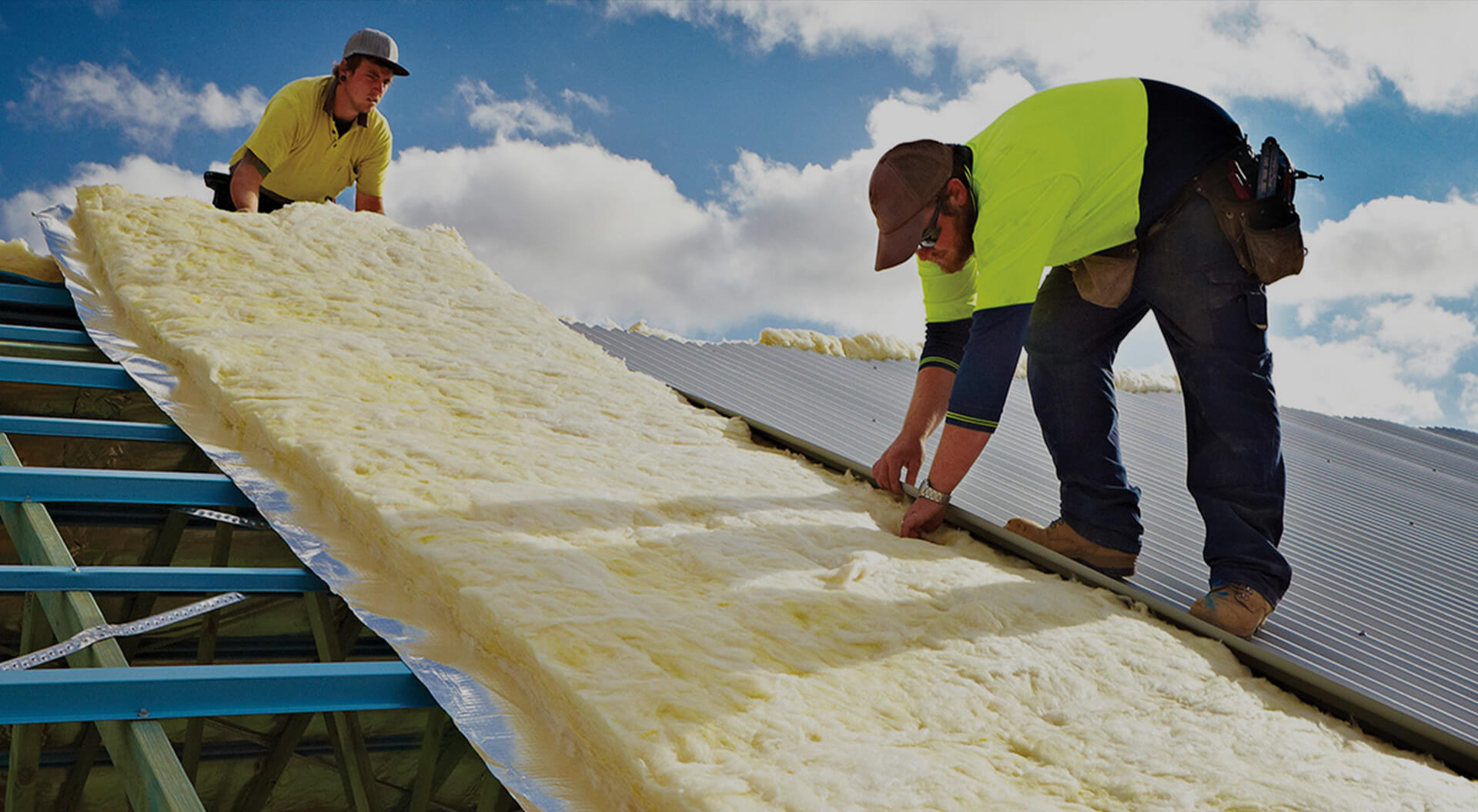
Roof Insulation That Keeps Homes Comfortable All Year
To keep a home comfortable all year, roof insulation professionals must effectively stop heat transfer at the most critical point: the roof itself. The most successful approach for achieving this is applying closed-cell spray foam insulation directly to the underside of the roof deck. This method creates a complete air and thermal barrier, essentially stopping extreme outdoor temperatures from ever influencing the attic space. By preventing the attic from becoming a super-heated oven in the summer or a frigid zone in the winter, this type of insulation stabilizes the temperature of the entire home, leading to consistent comfort and significantly lower energy bills.
The attic is a home’s first and most important line of defense against the elements. This article, drawing on years of in-the-field knowledge from insulation professionals, will explain why treating the roofline is so effective and what options homeowners have for creating a truly comfortable living environment.
Why the Roof Is a Home’s Biggest Thermal Challenge
A home’s roof is constantly exposed to the elements. During the summer, it absorbs a massive amount of solar radiation. This heat gets transferred into the attic, where temperatures can easily soar to 150°F or higher. This pocket of extreme heat then radiates down through the ceiling, forcing the air conditioning system to work much harder to keep the living space cool, especially on the top floor.
In the winter, the dynamic reverses. Since heat naturally rises, a poorly insulated roof and attic become a primary escape route for the warm air a furnace produces. This constant heat loss means the heating system has to run longer and more frequently to maintain the desired indoor temperature. In both seasons, an underperforming roof insulation system is a major source of discomfort and energy waste. The Department of Energy estimates that a properly insulated attic can save homeowners an average of 15% on their heating and cooling costs.
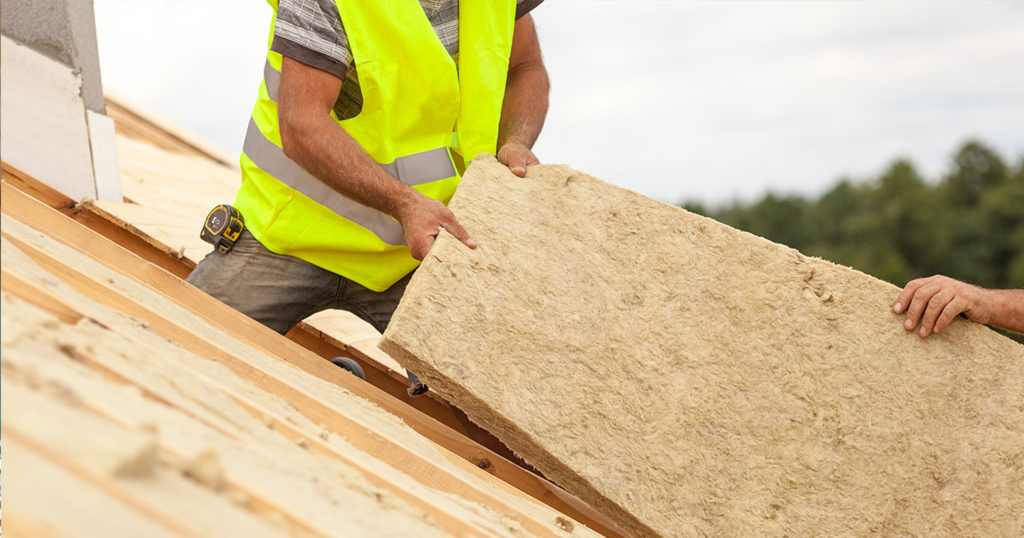
Top Insulation Choices for Roof Applications
There are two primary strategies for insulating an attic: treating the attic floor or treating the roof deck. For year-round comfort, focusing on the roof deck is often the superior method.
Closed-Cell Spray Foam: The Premium Solution
Applying closed-cell spray foam directly to the underside of the roof sheathing is widely considered the gold standard for roof insulation. This technique creates what is known as an unvented, or “hot roof,” assembly. Here’s why it’s so effective:
- It’s a Multi-Tool: Closed-cell spray foam acts as an insulator, an air barrier, and a moisture barrier all in one application. This comprehensive seal stops virtually all forms of energy transfer.
- High Thermal Resistance: It offers a high R-value per inch, typically around R-6 to R-7, meaning it provides excellent insulation without taking up a lot of space.
- Structural Integrity: Because it’s rigid and adheres directly to the roof deck, it can add significant strength, helping to increase resistance to wind uplift.
Bonus Tip: Creating an unvented attic with spray foam brings any ductwork or HVAC equipment located in the attic into the conditioned envelope of the home. This makes the system operate far more efficiently since it’s no longer losing conditioned air or fighting extreme temperatures.
Fiberglass and Cellulose: The Traditional Approach
The more traditional method involves blowing or laying insulation, such as fiberglass or cellulose, on the floor of the attic. This approach can be effective, but it comes with certain limitations. It insulates the living space from the attic, but it allows the attic itself to get extremely hot or cold. If any ductwork runs through the attic, it will be exposed to those extreme temperatures, leading to significant energy loss. While more budget-friendly upfront, this method may not provide the same level of whole-home comfort.
Comparing Roof Insulation Strategies
|
Feature |
Roof Deck Insulation (Spray Foam) |
Attic Floor Insulation (Fiberglass/Cellulose) |
|---|---|---|
|
Location of Barrier |
At the roofline, stopping heat at the source. |
On the attic floor, separating attic from living space. |
|
Air Sealing |
Excellent. Creates a continuous air barrier. |
Moderate. Still requires separate, detailed air sealing. |
|
Moisture Control |
Excellent. Closed-cell foam acts as a vapor barrier. |
Requires proper attic ventilation to manage moisture. |
|
HVAC Efficiency |
High. Ducts are inside the conditioned space. |
Lower. Ducts are exposed to extreme attic temperatures. |
|
Overall Comfort |
High. More consistent temperatures throughout the home. |
Moderate. Top floor may still experience temperature swings. |
The Impact on Home Comfort and Efficiency
The benefits of a properly insulated roof extend far beyond just the attic.
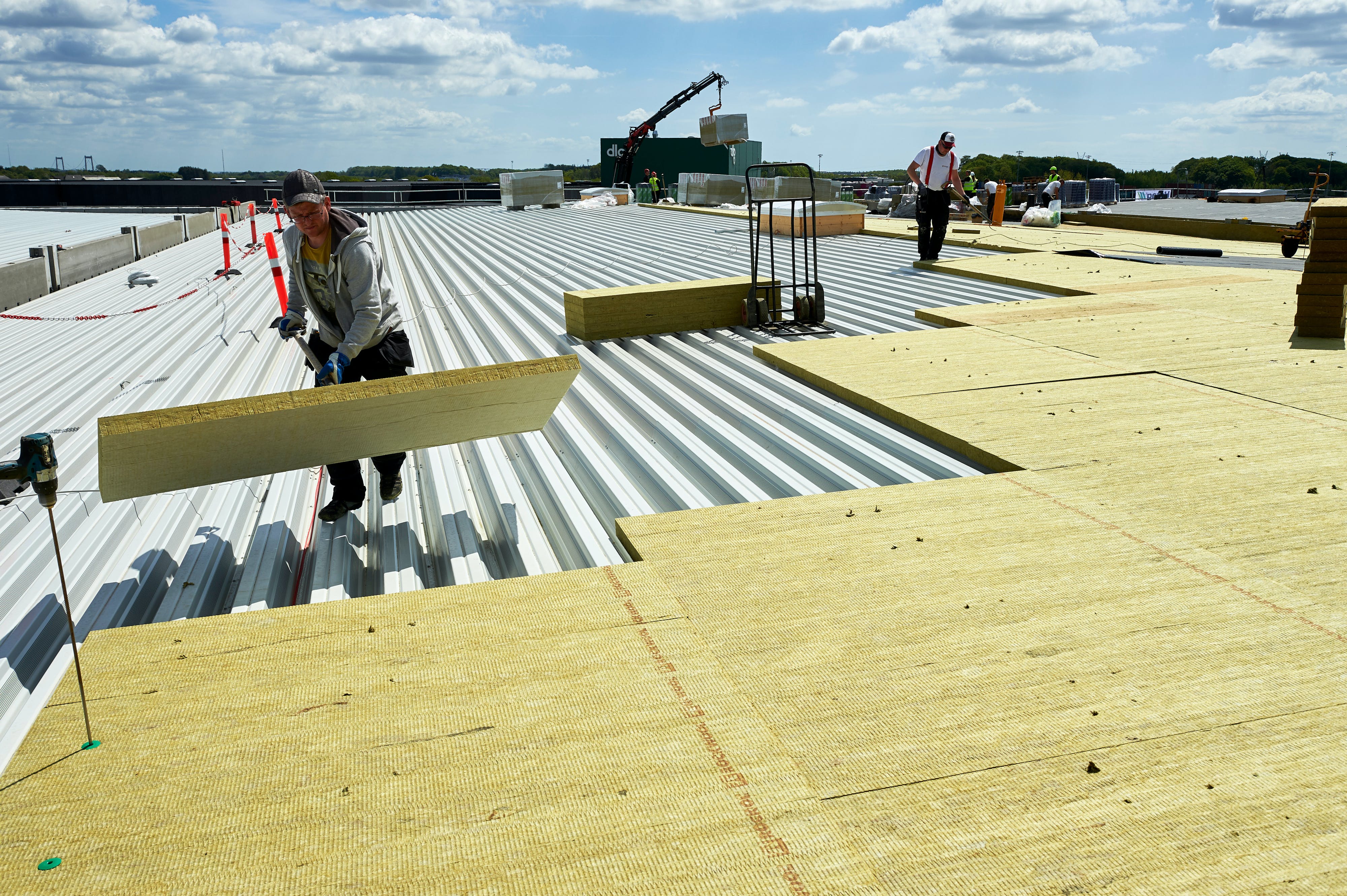
Stabilizing Indoor Temperatures
One of the most immediate effects homeowners notice is the elimination of the “second-floor problem,” where upstairs rooms are consistently much hotter than the rest of the house in the summer. By stopping heat from building up in the attic, roof deck insulation keeps the ceiling cool, resulting in even, stable temperatures from floor to floor and room to room.
Reducing Strain on HVAC Systems
When a home is well-insulated at the roofline, the HVAC system doesn’t have to battle a constant influx of heat in the summer or a constant loss of heat in the winter. This reduced workload means the system runs for shorter periods, which not only lowers energy consumption but can also extend the lifespan of the equipment and reduce the likelihood of costly breakdowns.
Bonus Tip: In some cases, after properly insulating their roof deck, homeowners have found that they can install a smaller, less expensive HVAC unit when it comes time for a replacement, leading to further long-term savings.
Things to Consider Before Making a Decision
Choosing the right roof insulation strategy is a big decision, and there are a few important factors to weigh.
The Condition of the Roof
Before any insulation is applied to the roof deck, it is absolutely essential that the roof itself is in good condition. Any existing leaks must be repaired. Applying spray foam over a leaking roof will trap moisture and can lead to serious rot and structural damage.
Attic Ventilation Needs
Deciding to create an unvented attic assembly is a significant change to the way a home functions. It’s important to work with a knowledgeable contractor who understands building science. They can assess the specific situation and ensure the plan is appropriate and compliant with local building codes.
Long-Term Value vs. Upfront Cost
There’s no question that installing spray foam on the roof deck has a higher initial cost than blowing cellulose onto the attic floor. However, it’s important to view it as a long-term investment. The superior performance often leads to greater energy savings and a more significant improvement in comfort, providing a strong return over the life of the home.
Common Questions About Insulating Your Roof
Will insulating my roof deck cause my shingles to overheat?
This is a common myth. Multiple studies have shown that insulating the roof deck has a minimal impact on the temperature of the shingles. A properly installed roof will not be damaged by this insulation method.
Can I put my HVAC unit in an unvented attic?
Yes, and it’s highly recommended. Bringing the HVAC system and ductwork inside the conditioned space is one of the biggest benefits of an unvented attic, greatly improving its efficiency and prolonging its life.
How much R-value do I need in my roof?
The recommended R-value varies by climate zone. For most of Florida, the recommendation is typically between R-30 and R-38 for an attic. A local insulation contractor can provide a precise recommendation based on the home’s needs.
Is it messy to install roof insulation?
When done by a professional crew, the process should be very contained. They take extensive measures to cover and protect any part of the home that is not being worked on and perform a thorough cleanup at the end of the job.
What is an “ice dam” and can roof insulation prevent it?
Ice dams are ridges of ice that form at the edge of a roof in snowy climates, preventing melting snow from draining. They are caused by heat escaping through the roof and melting the snow. Insulating the roof deck effectively stops this heat loss, making it one of the best ways to prevent ice dams.
Choosing the Right Strategy for Your Home
Ultimately, achieving year-round comfort comes down to controlling the temperature in the attic. By insulating the roof deck, homeowners can create a complete thermal boundary that protects the entire home from the seasons’ extremes. This approach is a powerful investment in comfort, energy efficiency, and the long-term health of the building.
Get a Professional Roof Insulation Assessment
The best way to determine the right insulation strategy for any home is to have a professional conduct a thorough evaluation. An expert can inspect the roof and attic, identify any issues, and recommend a solution tailored to the property and the homeowner’s goals. For a detailed consultation, the team at Prestige Insulation Solutions has deep experience in roof and attic insulation. They can be reached at (850) 429-4969 or via email at [email protected] to schedule an assessment.
Author: Rene Zamarripa, an insulation professional with 17 years of hands-on experience, started in the industry in 2008 and now owns a successful insulation company. He possesses deep knowledge of various insulation types and the technical skills required for high-quality application.
Reviewer: Benjamin Lee reviewed this content, bringing over 13 years of specialized experience in spray foam insulation to ensure the information helps businesses connect effectively with local clients.







Post Comment