
Professional Teeth Extractions for Healthy Smiles
Teeth extractions are a common dental procedure performed to remove teeth that are damaged, decayed, or causing other oral health issues. Whether it’s a simple extraction of a visible tooth or a more complex surgical extraction of an impacted tooth, the goal is always to protect your overall dental health and restore comfort.
There are several reasons why a dentist might recommend teeth extractions. Severe tooth decay that has damaged the tooth beyond repair is one of the most common. Gum disease, which can loosen teeth, may also require removal in advanced cases. In some situations, teeth extractions are necessary to make space for orthodontic treatment, to prevent overcrowding, or to remove problematic wisdom teeth that cause pain, infection, or misalignment.
The teeth extraction process begins with a thorough examination, including X-rays, to determine the best removal method. For simple extractions, a local anesthetic is used to numb the area, ensuring the patient feels no pain during the procedure. The dentist then loosens the tooth using special instruments before gently removing it. For surgical extractions, such as impacted wisdom teeth, a small incision may be made in the gum, and the tooth might be removed in sections.
After teeth extractions, proper aftercare is essential for healing. Patients are advised to bite gently on gauze to control bleeding, apply ice packs to reduce swelling, and take prescribed medications for pain management. Soft foods and avoiding hot drinks or strenuous activities help promote a smooth recovery. It’s important to follow the dentist’s instructions to prevent complications like dry socket, an uncomfortable condition that can delay healing.
Modern dental techniques and anesthesia make teeth extractions far less intimidating than many expect. Dentists prioritize patient comfort and safety, ensuring minimal discomfort during and after the procedure. In most cases, recovery takes just a few days, with noticeable improvement in oral comfort soon after.
If you have persistent tooth pain, swelling, or other symptoms that may indicate the need for removal, it’s important to seek a dental evaluation. Early diagnosis can sometimes save a tooth, but if extraction is necessary, prompt treatment can prevent further health problems.
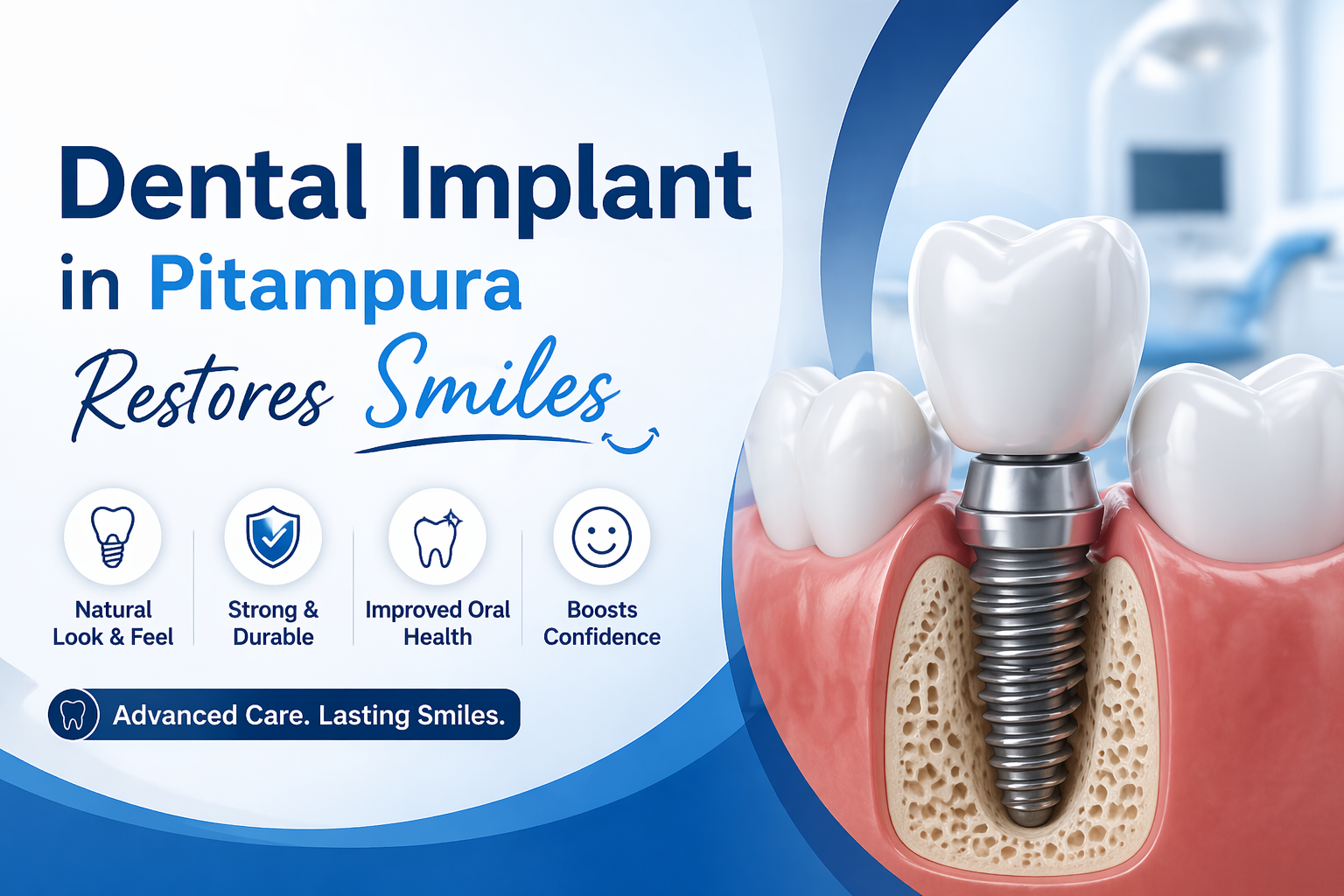
Teeth extractions not only relieve pain but also protect the surrounding teeth and gums from infection. With advances in dental care, replacement options such as dental implants, bridges, or dentures can restore both function and appearance after extraction, helping patients maintain a confident smile.
In conclusion, teeth extractions are a safe and effective way to resolve severe dental issues when other treatments are not viable. By choosing an experienced dentist and following proper aftercare, patients can expect a smooth, quick recovery and improved oral health. Whether it’s a single problematic tooth or wisdom teeth removal, professional teeth extractions are a crucial step toward a healthier, pain-free smile.







Post Comment