Offshore Bookkeeping for Seasonal Businesses: A Flexible Approach
Running a seasonal business comes with unique financial challenges. Whether you’re operating a beach resort that thrives in the summer, a retail store booming during the holidays, or a tax consultancy busy only for a few months, managing cash flow, tracking expenses, and keeping up with bookkeeping during fluctuating seasons can be overwhelming.
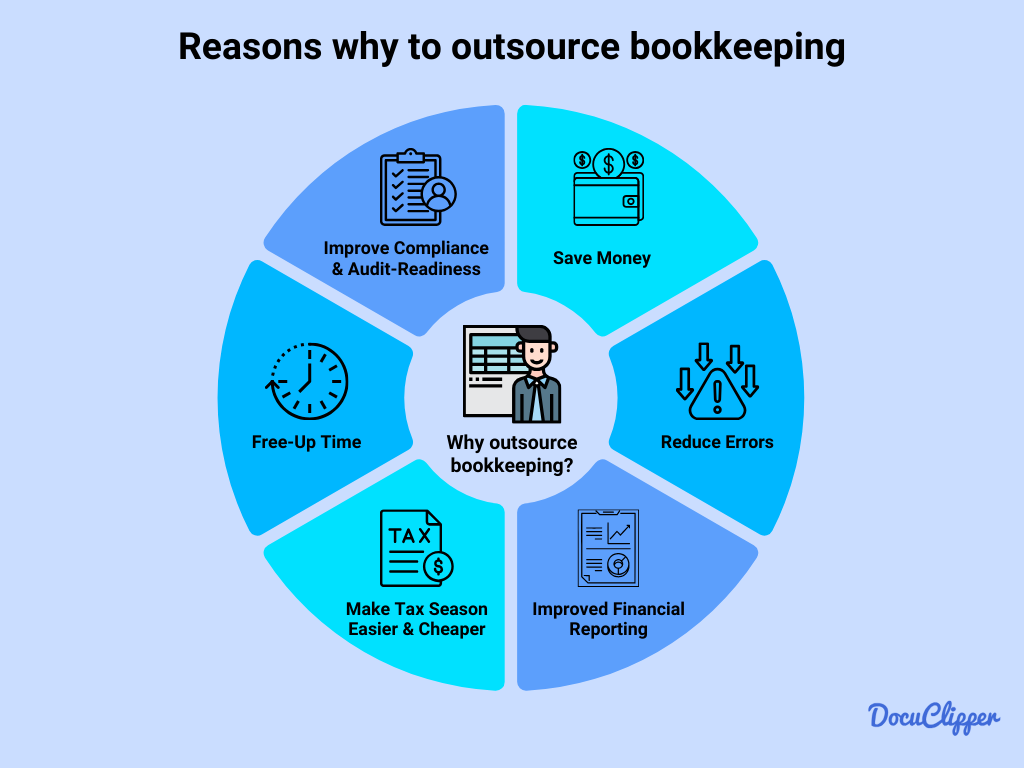
That’s where offshore bookkeeping comes in as a flexible, cost-effective solution. Instead of hiring full-time staff or struggling to handle everything yourself, outsourcing your bookkeeping to offshore professionals allows your business to stay financially organized, no matter the season.
Here’s why more seasonal businesses are choosing offshore bookkeeping – and how it can help your company stay efficient and profitable all year round.
Why Seasonal Businesses Struggle with Traditional Bookkeeping
Seasonal businesses often face the same core issues:
-
Fluctuating workload – Your accounting needs skyrocket during busy periods but drop dramatically during off-seasons.
-
High staffing costs – Hiring full-time bookkeepers for a few busy months often isn’t financially sustainable.
-
Cash flow challenges – Managing revenue spikes and lean periods requires careful financial oversight.
-
Time constraints – Owners often end up juggling day-to-day operations and financial management, leaving little room for growth planning.
Traditional bookkeeping models – hiring in-house staff or engaging local firms on a retainer – rarely provide the flexibility seasonal businesses need. Offshore bookkeeping solves this problem by offering on-demand, scalable financial support.
How Offshore Bookkeeping Supports Seasonal Businesses
Offshore bookkeeping is more than just outsourcing; it’s about gaining access to skilled financial professionals who can adapt to your unique business cycles. Here’s how it delivers flexibility and value:
1. Scale Up or Down Easily
With offshore bookkeeping, you can ramp up your support during peak seasons – for tasks like invoice management, payroll processing, tax preparation, and bank reconciliations – and scale back during quieter months. You only pay for the services you need, saving significantly on overheads.
2. Cost Savings Without Compromising Quality
Hiring local staff, even temporarily, can be expensive when you factor in salaries, training, and compliance costs. Offshore bookkeeping teams, typically based in countries with lower labor costs, provide high-quality services at a fraction of the price.
3. Expertise Across Industries and Tools
Offshore bookkeepers are trained in popular accounting platforms like QuickBooks Online, Xero, and Zoho Books, making integration easy. Many also have experience with industry-specific financial practices, whether you’re running an e-commerce store, hospitality business, or seasonal tax service.
4. Real-Time Financial Insights
Modern offshore bookkeeping providers use cloud-based systems, giving you real-time visibility into your cash flow, expenses, and profits. You can track your finances anytime, even when your bookkeepers are thousands of miles away.
5. Focus on Growth, Not Paperwork
By outsourcing routine financial tasks, you free up valuable time to focus on growing your business, planning marketing campaigns, and preparing for your next busy season.
Examples of Seasonal Businesses Benefiting from Offshore Bookkeeping
-
Retailers and E-commerce Stores – During holidays and sales seasons, order volumes and transactions multiply. Offshore bookkeepers can handle reconciliations, inventory tracking, and tax calculations, so you can focus on sales.
-
Hospitality Businesses – Resorts, event planners, and travel agencies experience fluctuating bookings. Offshore bookkeeping ensures you manage deposits, vendor payments, and staffing costs without hiring permanent staff.
-
Tax Firms and CPAs – Tax season brings a massive workload, but only for a few months. Offshore bookkeeping teams help with client bookkeeping and prep work, allowing CPAs to serve more clients without overburdening their in-house teams.
-
Agriculture and Farming Operations – Seasonal harvests mean large swings in income and expenses. Offshore bookkeepers help track costs, manage supplier payments, and plan for off-season cash flow.
Why Flexibility Matters for Profitability
One of the biggest challenges seasonal businesses face is keeping profitability consistent despite fluctuating income. Offshore bookkeeping helps you:
-
Avoid overstaffing by hiring support only when you need it.
-
Stay compliant with tax and reporting deadlines year-round.
-
Get timely financial reports that help you plan for slow periods.
-
Predict cash flow so you can allocate funds wisely between busy and off-peak seasons.
This flexibility keeps your finances steady and helps you make better long-term business decisions.
How to Get Started with Offshore Bookkeeping
If you’re considering offshore bookkeeping for your seasonal business, here are a few steps to get started:
-
Assess your busy and slow periods – Determine when you’ll need more financial support.
-
Choose a provider experienced in seasonal businesses – Look for firms familiar with fluctuating workloads.
-
Ensure they use cloud-based tools – This allows for real-time collaboration and transparency.
-
Start small, then scale – Test the waters with a few services like reconciliations or payroll, then expand as needed.
-
Check compliance and security protocols – Ensure your provider follows international data security and tax regulations.
Final Thoughts
For seasonal businesses, managing finances effectively can make the difference between surviving and thriving. Offshore bookkeeping offers a flexible, scalable, and cost-effective solution that adapts to your business cycles – giving you access to professional expertise without the heavy costs of full-time staff.
By embracing offshore bookkeeping, you can keep your financial operations smooth year-round, plan better for peak seasons, and free up your time to focus on growing your business.








Post Comment