Modular Construction Success Stories Using Metal Framing
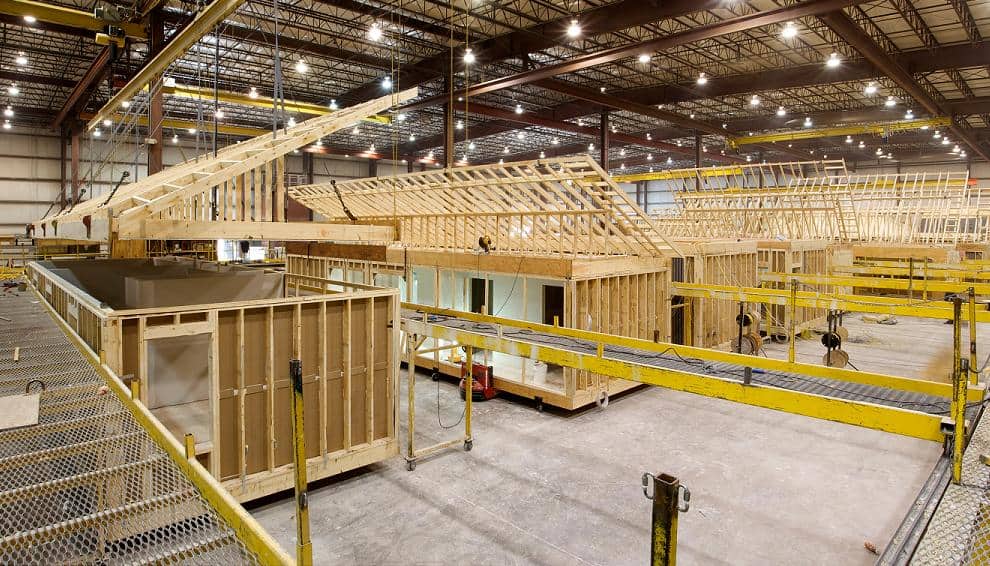
The construction industry stands at the precipice of a revolution that challenges everything we thought we knew about building. In factory floors across the globe, skilled workers are assembling tomorrow’s skylines with the precision of Swiss watchmakers and the efficiency of automotive manufacturers. The marriage of modular construction techniques with advanced metal framing systems has created success stories that read like industrial fairy tales, where projects that once took years to complete are now finished in months, and buildings that would have consumed entire forests are constructed using recyclable steel that can be repurposed for generations.
Breaking the Mold of Traditional Construction Timelines
The transformation of construction timelines through modular metal framing represents a paradigm shift that has caught even seasoned industry veterans off guard. Projects that traditionally required eighteen-month construction schedules are now being completed in six months, with quality standards that exceed conventional building methods. This acceleration stems not from cutting corners but from reimagining the entire construction process as a manufacturing operation rather than a field assembly project.
The weather independence that modular metal framing provides has eliminated one of construction’s most persistent challenges. Rain delays, snow postponements, and temperature restrictions that once plagued traditional construction sites become irrelevant when the primary assembly work occurs in controlled factory environments. This weather immunity has allowed projects to maintain aggressive schedules regardless of seasonal conditions, creating predictability that was previously impossible in the construction industry.
The quality control advantages of factory-based modular construction have produced buildings with structural integrity that surpasses site-built alternatives. The controlled environment eliminates variables that can compromise traditional construction, such as temperature fluctuations during concrete curing, moisture exposure during material storage, and the inconsistencies that arise from different work crews handling various project phases. This controlled manufacturing approach has resulted in buildings that perform better over their entire lifecycle, with fewer callbacks and maintenance issues.
Architectural Freedom Through Structural Innovation
The misconception that modular construction limits architectural creativity has been thoroughly debunked by projects that showcase extraordinary design flexibility. Metal framing systems in modular construction have enabled architects to explore forms and configurations that would be extremely difficult or cost-prohibitive using traditional methods. The precision of factory-manufactured components allows for architectural details and structural configurations that push the boundaries of what many considered possible in modular construction.
The load-bearing capabilities of modern metal framing systems have opened new possibilities for modular high-rise construction. Projects that once required massive concrete foundations and steel superstructures are now being built using modular components that can be stacked to significant heights while maintaining structural integrity. This vertical scaling capability has transformed modular construction from a solution primarily suited for low-rise buildings to a viable option for urban development projects.
The integration of building systems within modular metal framing has created opportunities for architectural innovation that extends beyond mere aesthetics. Electrical, plumbing, and HVAC systems can be fully integrated into modular components during factory assembly, allowing for building system configurations that are optimized for performance rather than constrained by field installation limitations. This integration has resulted in buildings that operate more efficiently and require less maintenance than their traditionally constructed counterparts.
Economic Disruption Through Manufacturing Efficiency
The economic impact of modular metal framing construction extends far beyond simple cost savings to encompass fundamental changes in how construction projects are financed and executed. The predictability of factory-based construction has enabled new financing models that account for the reduced risk and compressed timelines associated with modular projects. This financial predictability has attracted investment capital that was previously hesitant to engage with construction projects due to their inherent uncertainty.
The labor efficiency gains achieved through modular construction have addressed one of the industry’s most persistent challenges. The controlled factory environment allows for specialized training programs that create skilled workers more efficiently than traditional apprenticeship models. This skilled workforce can then produce building components with consistency and quality that exceeds what is typically achieved on construction sites, where workers must adapt to constantly changing conditions and requirements.
The material efficiency of modular metal framing construction has created cost advantages that compound throughout the project lifecycle. The precision of factory manufacturing eliminates the waste associated with field cutting and fitting, while the recyclability of metal components creates end-of-life value that traditional construction materials cannot match. This material efficiency has made modular construction financially attractive even for projects where speed is not the primary consideration.
Supply Chain Revolution in Building Materials
The supply chain implications of modular metal framing construction have created ripple effects throughout the building materials industry. The predictable demand patterns of factory-based construction have enabled suppliers to optimize their production schedules and inventory management in ways that reduce costs and improve quality. This supply chain optimization has created a positive feedback loop where improved efficiency enables lower costs, which in turn drives increased adoption of modular construction methods.
The quality standards required for modular construction have elevated the entire metal framing supply chain. Components that must fit together with precision in factory assembly require manufacturing tolerances that exceed those of traditional construction materials. This quality elevation has driven innovations in metal forming, surface treatment, and quality control that benefit the entire construction industry, not just modular projects.
The logistics of modular construction have created new models for material handling and site coordination. The delivery of completed modular components requires specialized transportation and crane capabilities that have spawned new service industries. These logistics innovations have created efficiencies that extend beyond individual projects to benefit the broader construction ecosystem through improved coordination and reduced site congestion.
Environmental Stewardship Through Industrial Precision
The environmental benefits of modular metal framing construction extend beyond the obvious advantages of reduced waste and improved material efficiency. The controlled manufacturing environment enables precise application of finishes and treatments that minimize environmental impact while maximizing performance. This precision has resulted in buildings that consume less energy during operation and require fewer maintenance interventions throughout their lifecycle.

The recyclability of metal framing components has created new paradigms for building lifecycle management. Unlike traditional construction materials that typically end up in landfills, metal framing components can be disassembled and repurposed for future projects. This recyclability has enabled the development of circular economy models in construction that were previously impossible to implement effectively.
The carbon footprint reduction achieved through modular construction stems from multiple sources, including reduced transportation requirements, improved material efficiency, and the elimination of many energy-intensive field operations. The factory-based manufacturing process allows for the use of renewable energy sources and optimized production schedules that minimize environmental impact while maintaining high production volumes.
Urban Development Acceleration Through Modular Solutions
The impact of modular metal framing construction on urban development has been particularly pronounced in markets with acute housing shortages. The ability to construct high-quality housing in a fraction of the time required for traditional methods has enabled cities to address housing crises with unprecedented speed. This rapid deployment capability has transformed modular construction from a niche solution to a mainstream approach for urban development projects.
The density advantages of modular construction have enabled urban development projects that maximize land use efficiency while maintaining quality standards. The precision of factory-manufactured components allows for tighter tolerances and more efficient space utilization than is typically possible with field construction. This efficiency has enabled higher density development that maintains livability standards while addressing urban growth pressures.
The infrastructure integration capabilities of modular construction have streamlined the development process for complex urban projects. The ability to pre-install building systems during factory assembly reduces the complexity of site work and minimizes disruption to existing urban infrastructure. This integration capability has made modular construction particularly attractive for infill development projects where site constraints limit traditional construction approaches.
Resilience Planning Through Modular Adaptability
The adaptability of modular metal framing construction has created new possibilities for resilient building design. The modular nature of these systems allows for buildings that can be easily modified or expanded as needs change, providing flexibility that is difficult to achieve with traditional construction methods. This adaptability has made modular construction attractive for applications where future requirements are uncertain or likely to evolve.
The disaster recovery advantages of modular construction have been demonstrated in numerous emergency response scenarios. The speed of deployment and the ability to manufacture components off-site have enabled rapid reconstruction efforts that would be impossible using traditional methods. This disaster recovery capability has led to the development of standardized modular building systems that can be rapidly deployed in emergency situations.
The custom extrusion aluminum near me searches often reflect the growing demand for specialized components that can meet the unique requirements of modular construction projects. These custom extrusions enable the creation of connection systems and structural elements that are optimized for modular assembly while maintaining the strength and durability required for permanent construction. The availability of these specialized components has been crucial to the success of many modular construction projects.
Quality Assurance Through Manufacturing Control
The quality control advantages of modular construction have created new standards for building performance that exceed what is typically achieved through traditional construction methods. The controlled factory environment eliminates many variables that can compromise building quality, while the repetitive nature of modular manufacturing allows for continuous improvement processes that enhance quality over time.
The testing capabilities available in factory environments have enabled more comprehensive quality verification than is possible on construction sites. Components can be subjected to stress testing, weathering simulation, and performance verification before they leave the factory, ensuring that they will perform as designed throughout their operational life. This comprehensive testing has resulted in buildings with fewer defects and better long-term performance.
The documentation and traceability advantages of modular construction have created new possibilities for building lifecycle management. Every component can be tracked from manufacturing through installation and operation, enabling predictive maintenance programs and performance optimization that were previously impossible to implement effectively. This documentation capability has created new value propositions for building owners and operators.
Workforce Development Through Industrial Training
The skilled workforce required for modular construction has created new opportunities for career development in the construction industry. The controlled factory environment allows for comprehensive training programs that can produce skilled workers more efficiently than traditional construction apprenticeships. This training capability has created career paths that offer stability and advancement opportunities that are often lacking in traditional construction work.
The cross-training opportunities available in modular construction facilities have created workers with broader skill sets than are typically found in traditional construction trades. Workers who understand both manufacturing processes and construction requirements can contribute to continuous improvement efforts that enhance both efficiency and quality. This cross-functional expertise has become a valuable asset for companies operating in the modular construction space.
The safety improvements achieved through factory-based construction have created work environments that are significantly safer than traditional construction sites. The controlled environment eliminates many hazards associated with outdoor construction work, while the repetitive nature of modular manufacturing allows for the implementation of safety protocols that become second nature to workers. This safety improvement has contributed to better worker retention and reduced insurance costs.
Conclusion
The success stories emerging from modular construction using metal framing represent more than just isolated achievements; they signal a fundamental transformation in how society approaches building and development. These projects have demonstrated that the choice between speed, quality, and cost-effectiveness is a false dilemma when construction is approached as a manufacturing process rather than a field assembly operation. The buildings rising from these modular construction projects stand as testaments to the power of industrial precision applied to one of humanity’s most fundamental needs.
The ripple effects of these successes extend far beyond individual projects to influence entire supply chains, workforce development programs, and urban planning strategies. The demonstrated ability to construct high-quality buildings in a fraction of traditional timeframes has created new possibilities for addressing housing shortages, disaster recovery, and urban development challenges that seemed intractable under conventional construction paradigms.
As the construction industry continues to evolve, the lessons learned from these modular construction success stories will likely influence building practices far beyond the modular sector. The quality control processes, supply chain optimization, and workforce development models pioneered in modular construction are already being adapted for traditional construction projects, creating a cross-pollination of best practices that benefits the entire industry. The future of construction may well be written in the success stories of today’s modular metal framing projects, where the convergence of manufacturing precision and construction expertise has created possibilities that were once considered impossible.








Post Comment