Lumigan 0.01% Eye Drops to Control Eye Pressure Safely
Introduction
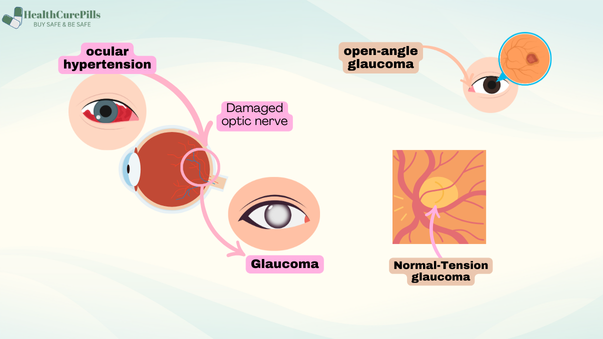
Healthy vision is essential to general well-being, and the greatest danger to vision globally is high intraocular pressure (IOP). As pressure within the eye increases, it may damage the optic nerve, resulting in diseases like glaucoma. Thankfully, contemporary medicine provides useful therapies to control this risk. One of the most frequently prescribed medications is Lumigan 0.01% Eye Drops, a well-respected treatment that acts to decrease eye pressure and preserve long-term vision.
Whether you have just been diagnosed with glaucoma or are dealing with ocular hypertension, learning about how Lumigan works, how to use it safely, and what to anticipate can make you more comfortable with your regimen.
What are Lumigan 0.01% Eye Drops?
Lumigan 0.01% is a prescription eye drop used to lower raised intraocular pressure. It is specifically indicated for patients with open-angle glaucoma or ocular hypertension, two disorders that can lead to permanent blindness if not treated.
The drops are part of a class of medications called prostaglandin analogues. The drugs function by enhancing the normal drainage of fluid out of the eye, which is effective in lowering pressure build-up.
-
Active Ingredient: Bimatoprost
-
Brand Name: Lumigan
How Does Lumigan Work?
The eye makes a natural fluid called aqueous humor, which keeps the eye’s shape firm and supplies nourishment to internal structures. Under normal conditions, the fluid drains out at the same rate it’s made, keeping eye pressure normal. In glaucoma or ocular hypertension, however, the drainage system is less efficient, leading to increasing pressure.
Bimatoprost, the active component of Lumigan, serves to regulate this process. It enhances the drainage of aqueous humor along a pathway known as the uveoscleral pathway. By enhancing drainage, Lumigan reduces intraocular pressure, diminishing stress on the optic nerve and preventing gradual vision loss.
Conditions Treated with Lumigan 0.01%
-
Open-Angle Glaucoma
-
The most prevalent type of glaucoma.
-
This results from the gradual blockage of the eye’s drainage channels.
-
Symptoms tend to go undetected until extensive damage has been done.
-
-
Ocular Hypertension
-
A state where the pressure in the eyes is greater than normal, but without optic nerve injury.
-
Individuals with ocular hypertension are more likely to develop glaucoma in the future.
-
By treating these conditions early on, Lumigan significantly stops long-term vision complications.
How to Use Lumigan 0.01% Eye Drops
To effectively use Lumigan, correct use is paramount. Below are the most important guidelines:
-
Dosage: Typically one drop in the eye(s) affected once a day, preferably in the evening.
-
Steps to Apply:
-
Wash your hands thoroughly.
-
Tilt your head back slightly.
-
Pull down your lower eyelid to create a small pocket.
-
Squeeze one drop into the pouch without touching your eye with the tip of the dropper.
-
Close your eyes softly for 1–2 minutes and press the inside corner of your eye (close to the nose) to keep the medicine from being washed away.
-
-
Do Not:
-
Use Lumigan more than once a day (overuse decreases effectiveness).
-
Wear contact lenses during application. Take it out before use and at least 15 minutes later, reinsert.
-
Consistency is essential. Missed doses or irregular use decrease the effectiveness of therapy.
Advantages of Lumigan 0.01% Eye Drops
-
Established Effectiveness
Clinical trials demonstrated that Lumigan significantly lowers intraocular pressure in glaucoma and ocular hypertension patients. -
Convenience to Take Daily
In contrast to certain eye drops that need to be dosed several times a day, Lumigan is typically dosed once a day at night, so it won’t interrupt daily activities. -
Long-Term Protection
Lowering eye pressure regularly helps protect vision and avoid optic nerve damage. -
Tolerability
Lumigan is tolerated by most patients and has easily manageable side effects compared to the older drugs.
Possible Side Effects of Lumigan
Like with any medication, Lumigan may result in side effects. Although they are not seen by everyone, awareness is essential.
Common Side Effects:
-
Mild redness of the eyes
-
Dry or itchy eyes
-
Darkening of the iris (change in eye color over time)
-
Eyelash growth or darkening
-
Mild discomfort in the eyes after applying
Less Common But Significant:
-
Eye swelling or pain
-
Vision alteration
-
Allergic reaction
If side effects are ongoing or annoying, speak with your eye doctor. Side effects are usually mild and do not necessitate stopping, but safety first is always a good rule to follow.
Safety Warnings and Precautions
-
Pregnancy & Lactation: Consult your physician before use.
-
Contact Lenses: Remove before using and wait 15 minutes before reinsertion.
-
Other Eye Drugs: When using multiple types of eye drops, wait at least 5 minutes between uses.
-
Storage: Store at room temperature and avoid direct sunlight.
Alternatives to Lumigan
Not all patients can tolerate Lumigan or require other therapies. These include:
-
Other Prostaglandin Analogues: Latanoprost, Travoprost.
-
Beta-Blocker Eye Drops: Timolol.
-
Carbonic Anhydrase Inhibitors: Dorzolamide.
-
Combination Drops: For patients needing multiple treatments.
Your physician will prescribe the most appropriate treatment based on your condition and medical history.
Why Regular Eye Check-Ups Matter
Glaucoma and eye hypertension are frequently quiet diseases. You might not recognize vision loss until it’s severe. Regular eye exams, particularly if you’re more than 40 or if your family members have glaucoma, are important for early diagnosis.
Eye doctors commonly monitor intraocular pressure, check the optic nerve, and evaluate visual fields. By detecting pressure differences early, medication with drugs such as Lumigan can be started before permanent damage sets in.
Lifestyle Support for Eye Health
Although medicines such as Lumigan are critical, lifestyle also has a contribution to healthy vision:
-
Exercise on a Regular Basis: Enhances blood flow to the eyes.
-
Eat a Balanced Diet: Omega-3 foods, leafy greens, and vitamins C and E are good for the eyes.
-
Avoid too much Caffeine: Too much caffeine can increase eye pressure transiently.
-
Reduce Stress: Stress management tools like meditation may be good for the eyes overall.
Patient Experience with Lumigan
Most patients state that Lumigan is simple to apply and fits well into the daily routine. Some experience longer eyelashes or redness of the eyes, but overall satisfaction is high due to its success in reducing eye pressure.
The reassurance of knowing eyes are being protected makes the minor side effects unimportant to most.
Conclusion
Lumigan 0.01% Eye Drops are a safe and efficient means of managing intraocular pressure and safeguarding against glaucoma and ocular hypertension vision loss. Through its active ingredient, Bimatoprost, Lumigan increases natural fluid drainage within the eye, establishing it as a popular ophthalmologist choice worldwide.
If you’re in Sydney, Australia, or elsewhere, and have been found to have high eye pressure, discuss with your eye doctor whether Lumigan is appropriate for you. Prompt treatment, along with ongoing eye exams and good lifestyle practices, can be the difference-maker in preserving your vision for the future.







Post Comment