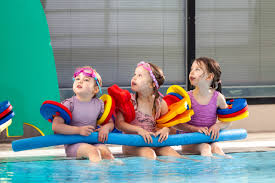
Kids Swimming Lessons, Swimming Classes for Kids: Essential Skills for Safety and Fun
Swimming lessons for kids focus on building essential water safety skills and developing swimming techniques in a structured and supportive environment. These classes often cater to different age groups and skill levels, from beginners learning to float and kick, to more advanced swimmers refining strokes and endurance.
Regular attendance and progression through well-designed swim programs help children become confident, independent swimmers who can navigate water safely. Many programs also emphasize fun and engagement, making the learning process enjoyable and encouraging a lifelong comfort in the water.
Kids Swimming Lessons
Swimming lessons for children vary widely in format, schedule, and skill focus. Lessons typically address foundational water safety, basic swimming techniques, and advanced stroke development. They are tailored to different age groups and skill levels to ensure effective learning.
Safety, skill building, and confidence are key goals. Qualified instructors play an essential role in delivering structured, supportive, and developmentally appropriate classes.
Types of Swimming Classes for Kids
Swimming classes include group lessons, private sessions, and caregiver-supported programs.
Group lessons usually run weekly over several weeks and are structured by age or skill. Classes can last from 30 to 45 minutes and often accommodate multiple children at once.
Private lessons focus on individual needs such as stroke improvement, water safety, or beginner skills. They are useful for children who require personalized attention or faster progression.
Caregiver-supported classes help younger children, often under 3 years, get comfortable in the water with an adult. These sessions emphasize water safety and bonding while introducing basic movements.
Age Groups and Skill Levels
Swim lessons start as early as 4 months with parent-infant classes and extend to children aged 12 and up.
Programs are segmented by developmental stages:
- Infants and toddlers (4 months to 3 years): water comfort and safety.
- Preschoolers (3-5 years): basic swimming skills and water confidence.
- School-age children (6-12 years): stroke development, endurance, and water safety skills.
Skill levels range from beginner (water acclimation) to intermediate and advanced (stroke refinement and endurance training). Many programs structure classes progressively over sessions.
Benefits of Learning to Swim Early
Early swimming lessons build essential water safety knowledge that reduces drowning risks.
Children develop physical strength, coordination, and cardiovascular health. Swimming also supports mental growth, discipline, and social skills through group interaction.
Confidence in and around water grows quickly, promoting positive attitudes toward exercise. Early lessons create a foundation for lifelong aquatic skills and safer recreational habits.
Choosing Qualified Instructors
Qualified instructors often hold certifications from recognized organizations ensuring safe, effective teaching methods.
Instructors must be trained in CPR and first aid. Experience with children and knowledge of progressive teaching techniques are crucial.
Good instructors tailor lessons to each child’s needs, balancing safety with skill development. Observing teacher-to-student ratios and facility safety standards are important for selecting programs.
Swimming Class Structure and Safety
Swimming classes for kids are designed to build skills progressively while maintaining a strong focus on safety. Class formats vary but generally include skill practice, water safety routines, and guided supervision to ensure a secure environment.
Instruction often starts with basic water adjustment before advancing to swimming strokes and treading water. Structured supervision and active parent involvement support a safe and effective learning experience.
What to Expect in First Lessons
Initial swimming lessons focus on water acclimation. Children learn to feel comfortable in the water through simple activities like blowing bubbles and floating.
Instructors introduce basic movements, such as kicking and arm motions, often in shallow water. Attention is given to teaching children how to enter and exit the pool safely.
Lessons usually last 20 to 30 minutes, accommodating young learners’ attention spans. Classes often involve small groups to offer personalized instruction and reduce intimidation.
Water Safety and Supervision
Water safety is a priority in all swimming classes. Instructors emphasize recognizing pool hazards and safe behavior around water.
Qualified instructors maintain close supervision at all times. They use low student-to-teacher ratios to handle emergencies promptly and provide individual support.
Safety drills, including floating and holding breath underwater, prepare children for accidental submersion. Pools are kept free of obstacles, and safety equipment is readily accessible.
Parent Involvement in Swimming Lessons
Parents play a key role in reinforcing safety and skill development. They are encouraged to observe classes or stay nearby during lessons to support their child emotionally.
Parents help by practicing water safety rules at home and discussing lessons regularly to boost confidence. Some programs allow parents to participate in activities, easing children’s anxiety.
Effective communication between parents and instructors ensures progress is monitored and concerns are addressed. This partnership fosters consistent and safe skill growth.







Post Comment