ISO 27001 Certification: Lead the Way in Cybersecurity Compliance
I. Introduction to ISO 27001 Certification
A. Overview of ISO 27001 and Its Role in Information Security Management
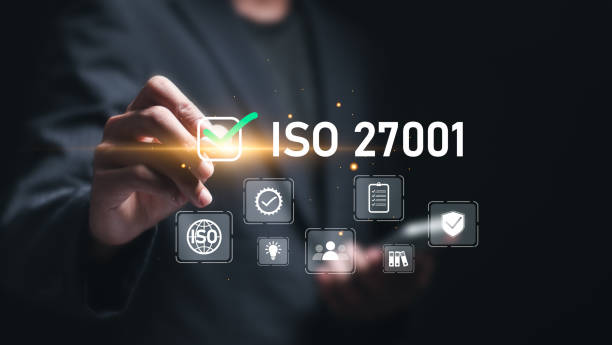
ISO 27001 is a globally recognized standard that outlines the requirements for establishing, implementing, maintaining, and improving an Information Security Management System (ISMS). The standard helps organizations protect their sensitive information by ensuring a systematic approach to managing security risks. ISO 27001 provides a structured framework for identifying vulnerabilities, implementing appropriate controls, and ensuring compliance with legal, regulatory, and contractual obligations related to information security.By following ISO 27001, businesses can safeguard their data against unauthorized access, loss, or theft, building a culture of security across the organization. Certification demonstrates a commitment to protecting sensitive information, fostering trust with customers, partners, and stakeholders.
II. Employee Engagement and Training for ISO 27001
A. Training Employees on Data Security Best Practices and Organizational Policies
Ensuring the success of ISO 27001 implementation requires employees to actively participate and understand their roles in maintaining information security. Training employees on data security best practices and organizational policies plays a critical role in building this understanding. This involves providing them with the knowledge and tools needed to adhere to established protocols, identify potential vulnerabilities, and respond effectively to security incidents. Clear communication about policies and regular training sessions can help employees confidently fulfil their responsibilities.
B. Encouraging Active Participation in Identifying and Addressing Security Risks
Creating a culture of security awareness is another vital component. Employees at all levels must understand the importance of protecting sensitive information and the potential risks associated with non-compliance. Consistent efforts, such as workshops, interactive sessions, and awareness campaigns, can instil a mindset of vigilance. When employees are aware of the impact of their actions on overall security, they are more likely to prioritize safeguarding data in their daily tasks.
C. Encouraging active participation in identifying and addressing security risks.
Active participation in identifying and addressing security risks strengthens an organization’s defences. Encouraging employees to report suspicious activities, share insights about potential vulnerabilities, and contribute to the development of security measures fosters a collaborative environment. Organizations can establish feedback mechanisms and reward proactive behaviours to motivate employees to take ownership of security initiatives. By integrating engagement and training into the workplace, businesses can create a workforce that is well-prepared to uphold the standards required by ISO 27001.
III. Tools and Technologies for ISO 27001 Implementation
A. Software solutions and tools that support ISMS management.
Implementing ISO 27001 effectively requires leveraging modern tools and technologies to manage and strengthen the Information Security Management System (ISMS). Software solutions specifically designed for ISMS management simplify complex tasks, such as policy documentation, compliance tracking, and audit preparation. These tools provide centralized platforms where organizations can maintain all necessary records, track updates to security policies, and ensure alignment with ISO 27001 requirements. With user-friendly interfaces and automation features, they help reduce manual effort and improve efficiency in managing security frameworks.
B. Automated solutions for risk assessments, monitoring, and reporting.
Automated solutions play a crucial role in risk assessments, monitoring, and reporting. These technologies enable organizations to identify, evaluate, and address security risks in real-time, ensuring swift action against potential threats. Automated systems also simplify the process of generating compliance reports, offering insights into security performance and highlighting areas for improvement. By using such solutions, organizations can achieve consistent monitoring and maintain continuous compliance without the need for intensive manual oversight.
C. Technology solutions that help identify vulnerabilities and manage data securely.
Advanced technology solutions are instrumental in identifying vulnerabilities and ensuring secure data management. Tools such as vulnerability scanners, encryption software, and intrusion detection systems help protect sensitive information from breaches. These technologies not only detect weaknesses but also provide actionable insights to strengthen defences. Additionally, secure data management tools facilitate safe storage, access control, and data transmission, aligning with the stringent requirements of ISO 27001. Integrating these tools into daily operations ensures a robust and resilient information security framework.
IV. ISO 27001 Certification and Stakeholder Trust
A. Building trust with customers, investors, and partners through ISO 27001 certification.
Achieving ISO 27001 certification demonstrates a strong commitment to safeguarding information, which is crucial for building trust among customers, investors, and partners. By obtaining this globally recognized standard, organizations show their dedication to protecting sensitive data and mitigating risks. This transparency reassures stakeholders that the business prioritizes information security, fostering long-term confidence and strengthening relationships with key audiences.
- How certification provides assurance of strong data protection practices.
ISO 27001 certification provides clear assurance of robust data protection practices. It verifies that the organization has implemented a comprehensive Information Security Management System (ISMS) and adheres to best practices for identifying, managing, and reducing security risks. Stakeholders can trust that the certified organization has the controls and processes needed to minimize vulnerabilities, which is increasingly important in an era of frequent cyber threats. This assurance is particularly critical when handling confidential data, as it reduces concerns about breaches or misuse.
- Enhancing brand reputation through verified commitment to information security.
A verified commitment to information security significantly enhances brand reputation. Businesses that achieve ISO 27001 certification demonstrate leadership in safeguarding data and meeting regulatory requirements. This not only differentiates them from competitors but also positions them as reliable and responsible partners in their industry. Over time, the certification becomes a key factor in attracting new customers, retaining existing ones, and securing partnerships, as it highlights the organization’s proactive approach to maintaining the highest standards of information security.
- The Future of ISO 27001 Certification
- Emerging cybersecurity threats and how ISO 27001 addresses them.
The landscape of cybersecurity threats is constantly evolving, presenting new challenges for organizations worldwide. ISO 27001 remains a critical framework for addressing these emerging risks by providing a systematic approach to identifying vulnerabilities and implementing controls. As cyber threats like ransomware, phishing, and advanced persistent threats become more sophisticated, the standard’s emphasis on risk management and proactive measures ensures organizations can adapt and respond effectively. This adaptability makes ISO 27001 an essential tool for maintaining resilience in the face of an ever-changing threat environment.
- Adapting ISO 27001 to evolving technology trends like AI and blockchain.
Advancements in technology, including artificial intelligence (AI) and blockchain, are reshaping the way businesses manage data and security. ISO 27001 continues to evolve to align with these trends, offering guidance on integrating innovative technologies while maintaining robust information security practices. For example, AI-powered tools can enhance risk assessment processes, while blockchain’s decentralized nature can strengthen data integrity. Organizations leveraging these technologies benefit from ISO 27001’s structured framework, ensuring that emerging solutions are implemented securely and responsibly.
- The increasing importance of ISO 27001 as cyber threats continue to evolve.
As cyber threats grow more prevalent and complex, the importance of ISO 27001 certification is set to increase. Businesses, governments, and consumers are placing greater emphasis on information security, and certification serves as a powerful indicator of trust and reliability. Organizations that invest in ISO 27001 not only safeguard their own operations but also contribute to broader efforts to enhance global cybersecurity. This enduring relevance ensures that ISO 27001 will remain a cornerstone for organizations aiming to protect sensitive information and maintain stakeholder confidence.







Post Comment