
Is Root Canal Treatment in Islamabad the Right Choice?
Dental health is vital to overall well-being, yet many people delay addressing oral issues until they become emergencies. One such issue is tooth infection or pulp damage that may require a root canal procedure. For residents of the capital, Root Canal Treatment in Islamabad is a trusted and accessible option. But how do you know if it’s the right choice for your specific situation? In this comprehensive guide, we’ll explore when root canal therapy is necessary, who benefits the most, and what alternatives exist.
What Is a Root Canal and Why Might You Need One?
A root canal is a dental procedure designed to save a severely damaged or infected tooth. When the soft tissue inside the tooth—known as pulp—becomes inflamed or infected due to deep decay, repeated dental procedures, or trauma, a root canal may be required. Instead of extracting the tooth, a dentist removes the pulp, cleans and shapes the canals, and then fills and seals the space.
Left untreated, the infection can spread, leading to severe pain, abscess formation, or even systemic health problems.
Signs You Might Need a Root Canal
Many patients wonder if their symptoms truly warrant such an advanced procedure. Here are some indicators that you may need a root canal:
-
Persistent Tooth Pain – Ongoing pain, especially when biting or chewing, could suggest pulp infection.
-
Sensitivity to Temperature – Discomfort from hot or cold foods that lingers long after exposure.
-
Gum Swelling – Swollen or tender gums near the tooth may signal infection.
-
Tooth Discoloration – A darkened tooth could indicate internal damage.
-
Recurring Pimples on Gums – These abscesses are often linked to infected pulp.
If you’re experiencing any of the above symptoms, a dentist can confirm whether root canal treatment is appropriate after a thorough examination and X-ray.
Advantages of Root Canal Therapy Over Extraction
When facing tooth pain, many patients consider removing the tooth entirely. However, root canal therapy offers several advantages over extraction:
-
Preservation of Natural Tooth – Keeps your natural smile and biting ability.
-
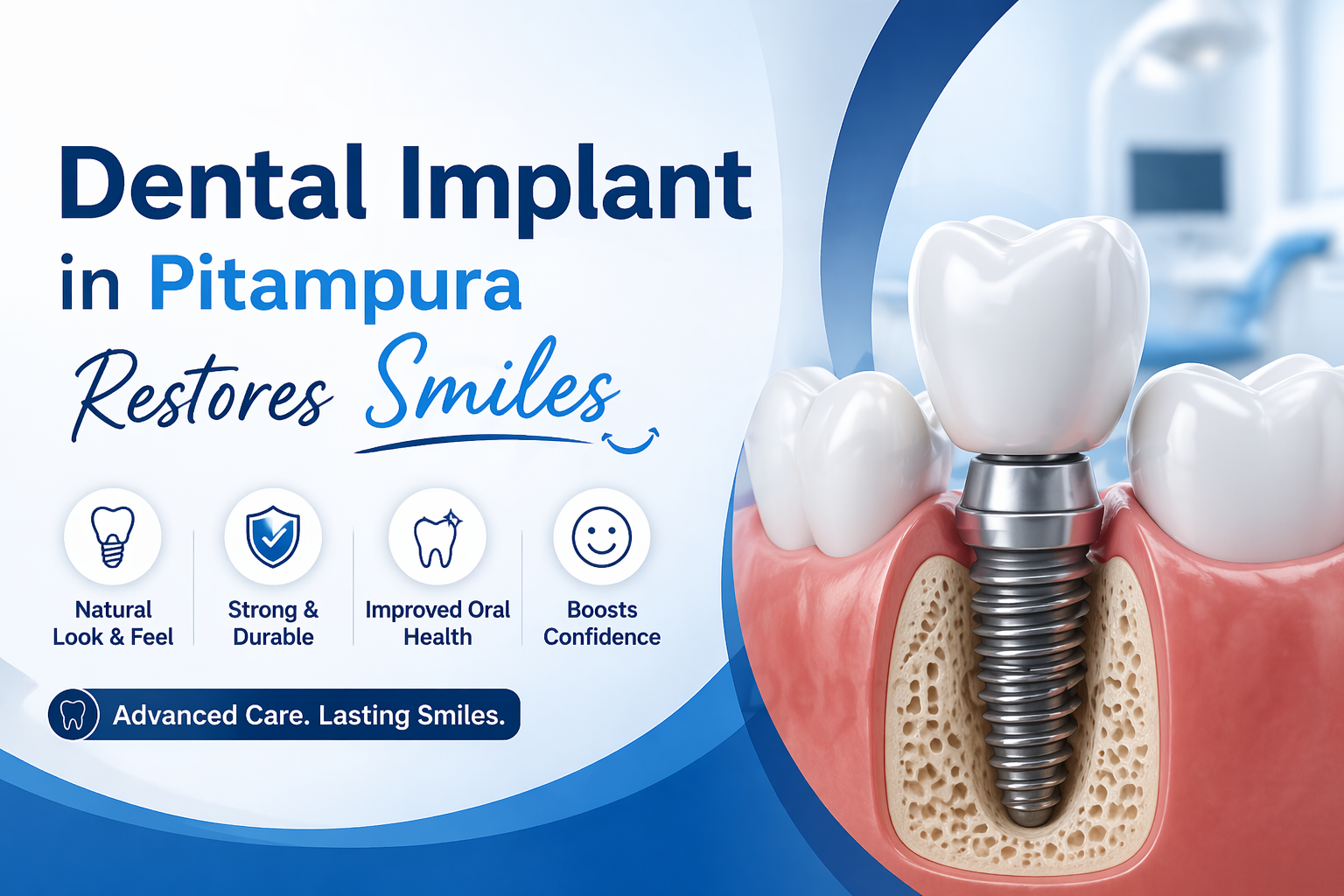
Minimal Disruption – No need for artificial replacements like implants or bridges.
-
Cost-Effective – Though it might seem expensive initially, it often costs less than extraction followed by prosthetic restoration.
-
Aesthetic Benefit – Helps avoid gaps in your smile and maintains facial structure.
Is Root Canal Treatment Always the Best Option?
While root canal therapy is effective, it’s not the right choice for everyone. Certain conditions may make extraction or alternative procedures more suitable:
-
Severely cracked or fractured teeth
-
Inadequate tooth structure left for restoration
-
Advanced periodontal (gum) disease
-
Repeat failures of previous root canal treatments
A qualified dentist will evaluate your case to determine the most appropriate solution.
What to Expect During the Procedure
Understanding what happens during a root canal can ease anxiety and help you prepare mentally and physically. Here’s a step-by-step overview:
1. Initial Assessment and Imaging
The dentist will examine the tooth and take digital X-rays to locate the extent of the infection.
2. Local Anesthesia
Modern techniques ensure the area is completely numb before starting the procedure.
3. Accessing the Pulp
An opening is made in the crown of the tooth to reach the pulp chamber.
4. Cleaning and Shaping
Specialized tools are used to remove the infected tissue and shape the canals.
5. Filling the Canals
The space is disinfected, then filled with gutta-percha and sealed.
6. Final Restoration
A temporary or permanent crown is placed to restore full function and protect the tooth.
Post-Procedure Care and Recovery
Recovery from a root canal is generally smooth and quick. Most patients can return to normal activities the next day, with mild soreness managed by over-the-counter pain medication.
Do’s and Don’ts After a Root Canal:
-
Do maintain excellent oral hygiene to prevent future decay.
-
Do return for follow-up visits as recommended.
-
Don’t chew hard foods until the tooth is fully restored.
-
Don’t skip the final restoration—delaying a crown can result in tooth fracture.
Costs of Root Canal Treatment in Islamabad
Cost is often a deciding factor in any dental procedure. Root canal treatment in Islamabad can vary depending on:
-
Tooth location (front vs. molar)
-
Complexity of the canal structure
-
Use of digital technology and materials
-
Clinic reputation and dentist’s expertise
Prices typically range from PKR 8,000 to PKR 20,000 per tooth, with crown costs adding an additional PKR 10,000 to PKR 25,000 depending on the material selected (metal, porcelain, zirconia, etc.).
Choosing the Right Dental Clinic
If you’re considering a root canal in Islamabad, it’s crucial to choose a reputable clinic that prioritizes patient safety and treatment outcomes. Look for clinics with:
-
Qualified endodontists or general dentists with endodontic training
-
Advanced sterilization and imaging technology
-
Transparent treatment planning and cost breakdowns
-
Positive patient reviews and a clean, organized facility
One notable facility in the city offering modern dental services is Dynamic Clinic Islamabad, which emphasizes precision care and patient comfort.
Myths and Misconceptions About Root Canals
Despite advancements in dentistry, root canals still suffer from outdated myths:
Myth 1: Root Canals Are Painful
Reality: With modern anesthesia and techniques, root canals are virtually pain-free.
Myth 2: Extraction Is Easier and Cheaper
Reality: Over time, the cost and effort of tooth replacement can far exceed that of a root canal.
Myth 3: Root Canals Cause Illness
Reality: This is an outdated claim with no scientific support. Root canals are safe and effective.
Alternatives to Root Canal Treatment
If a root canal isn’t suitable, your dentist may recommend:
-
Tooth Extraction – Followed by a dental implant or bridge.
-
Pulp Capping – A temporary solution for minimally damaged teeth.
-
Endodontic Surgery – In rare cases, procedures like apicoectomy are performed to remove the tip of the root.
Each alternative carries its own pros, cons, and cost implications, so professional consultation is essential.
Maintaining Oral Health After Root Canal
Long-term success depends not just on the procedure but also on how well you care for your teeth afterward.
Oral Care Tips Post-Treatment:
-
Brush and floss twice a day
-
Use antiseptic mouthwash
-
Avoid biting hard foods like nuts or ice
-
Visit your dentist every six months
A properly restored and maintained root canal-treated tooth can last a lifetime.
When to Seek Immediate Dental Help
Though rare, certain signs after a root canal may indicate a complication:
-
Persistent swelling or pain after a week
-
Allergic reaction to medications
-
Loose crown or filling
-
Recurrent abscess or pus drainage
In such cases, contact your dentist immediately for reassessment.
Final Verdict: Is It the Right Choice for You?
Root canal treatment is an effective and conservative dental solution. It enables you to retain your natural tooth, avoid invasive extractions, and maintain your oral functionality and aesthetics. For many patients in Islamabad, it’s not only the right choice—it’s the best one. With experienced professionals and advanced facilities available locally, there’s no reason to delay seeking care.







Post Comment