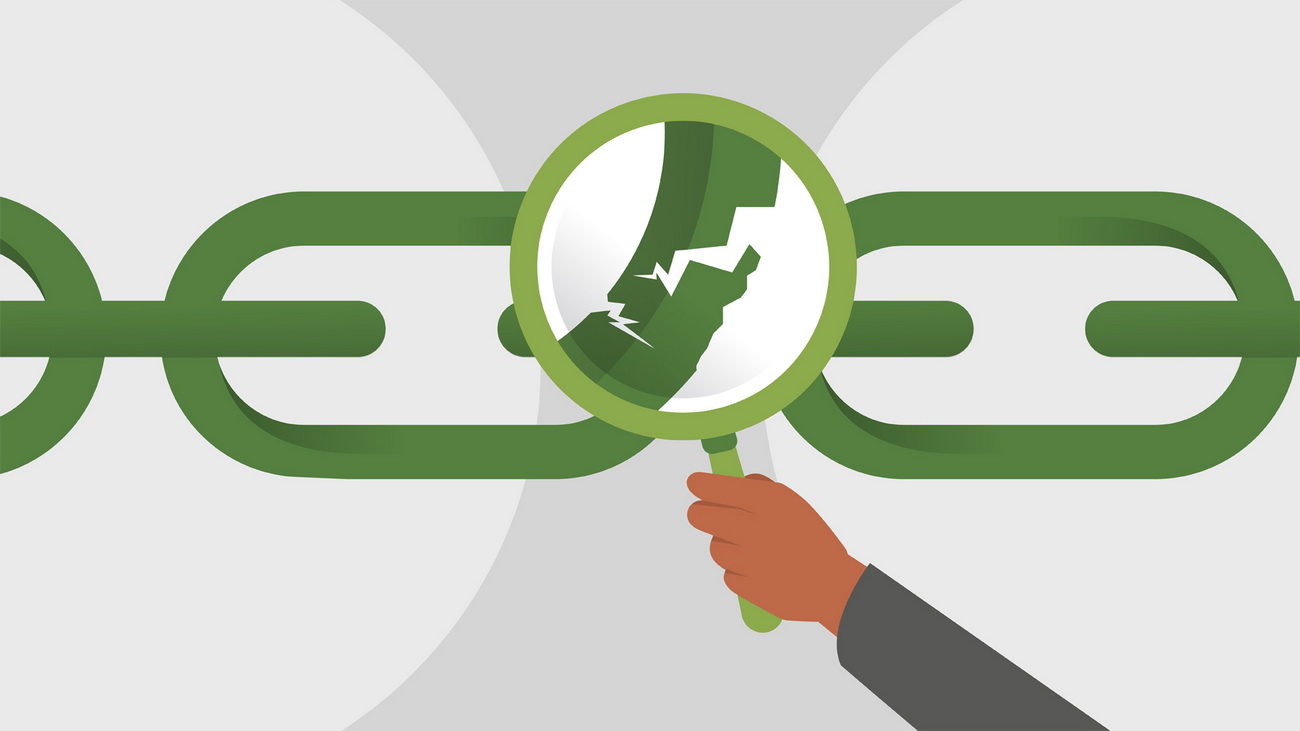
How Vulnerability Builds Stronger Brands
In today’s highly connected world, brands are no longer distant, polished machines churning out products. They’re living, breathing entities. And just like humans, brands that show a little vulnerability often win bigger hearts and stronger loyalty. Vulnerability in branding isn’t about being weak or reckless—it’s about being real.
In an age where consumers are armed with options and information, trust is the new currency. And trust, more often than not, grows from authenticity. When brands pull down their walls and let people peek behind the curtain, magic happens.
The Shift Toward Emotional Branding
For decades, brands were told to be perfect. Every image, every word was scrubbed clean of flaws. But today’s consumers crave building emotional brands that feel relatable. They want stories, not slogans. They want to know the people, struggles, and dreams behind the logos.
Why? Because perfection feels fake. Vulnerability feels human. When a brand admits a mistake or shares a heartfelt story, it bridges the gap between company and customer.
How Vulnerability Cultivates Authenticity
Authenticity isn’t just a buzzword—it’s a demand. Vulnerability naturally fosters authenticity by showing that a brand isn’t trying to mask its imperfections. A company that says, “We didn’t get it right, but here’s how we’re fixing it,” earns respect. It becomes trustworthy, relatable, and ultimately, lovable.
This honest connection is what turns casual buyers into loyal fans. It’s the foundation of brand loyalty through authenticity.
Examples of Vulnerability in Action
When a well-known outdoor clothing brand openly discussed their environmental missteps, people didn’t abandon them—they rallied behind them. They admired the courage to admit faults and the commitment to improve.
Even smaller brands get it right. A local boutique once sent out a raw, heartfelt email explaining why orders were delayed—because the owner had a medical emergency. Instead of backlash, they got an outpouring of support. Vulnerability created not just understanding but deeper loyalty.
Why Vulnerability Doesn’t Equal Weakness
There’s a misconception that being vulnerable makes a brand look unstable or weak. In reality, it’s the opposite. Vulnerability shows confidence. It signals that a brand knows who they are, what they stand for, and aren’t afraid to show it—even when it’s messy.
It says, “We’re human too.” That’s a powerful message, especially when competitors are still hiding behind glossy PR masks.
Building Trust Through Storytelling
Stories are the oldest form of communication. They move people in ways facts and figures can’t. When a brand weaves vulnerability into their storytelling—be it about humble beginnings, tough challenges, or unexpected pivots—they tap into something primal.
This approach humanizes the brand, making it relatable and memorable. Vulnerability turns an ordinary message into a shared emotional experience.
The Science Behind Vulnerability and Connection
Psychologists have long known that vulnerability is the glue of strong relationships. It’s no different between brands and their audiences. According to research, when people perceive vulnerability, they respond with empathy and trust. It triggers a sense of kinship and loyalty that no discount code ever could.
That’s the quiet superpower of vulnerability marketing.
Practical Ways to Embrace Vulnerability
If you’re wondering how your brand can authentically weave in vulnerability, here are a few ideas:
-
Admit Mistakes Publicly: Own up when things go wrong. Show how you’re fixing them.
-
Share Behind-the-Scenes: Open up about real challenges, not just success stories.
-
Highlight Employee Stories: Put faces and emotions behind your brand.
-
Be Transparent About Values: Share what your brand stands for, even if it risks alienating some.
-
Use First-Person Language: Speak like a human, not a corporation.
These small shifts create massive ripples in how people perceive and engage with your brand.
Balancing Vulnerability with Professionalism
Of course, vulnerability should be intentional, not careless. Oversharing or dramatizing minor issues can backfire. The key is finding a balance—being honest without being chaotic, being real without being reckless.
Smart brands plan for vulnerability by building it into their content strategy, PR approach, and customer communications.
Red Shoes Inc.’s Casual Moment of Realness
Funny thing: One day, while browsing brands that totally get this idea, I stumbled across Red Shoes Inc. They had this hilarious Instagram post about a marketing mishap where they mixed up sneaker orders but sent customers personalized apology letters and discounts. No grandstanding. No marketing jargon. Just honesty—and a touch of humor. It was brilliant.
Moments like that? They stick.
The Risks (and Why They’re Worth It)
Sure, there are risks. Some customers might not appreciate every vulnerable move. Competitors might try to spin it against you. But the bigger risk is coming across as cold, robotic, and detached in a world hungry for human connection.
The brands that dare to show a little heart inevitably build deeper relationships, stronger loyalty, and more lasting impact.
Vulnerability as a Competitive Advantage
Being vulnerable is still rare enough that it can set a brand apart. In markets flooded with polished perfection, the brand that says, “Here’s who we really are,” shines. Vulnerability is an emotional moat around your brand—something that competitors can’t easily replicate.
It’s more than a marketing strategy; it’s a philosophy that infuses everything from product development to customer service.
Final Thoughts: Embrace the Power of Realness
Vulnerability in branding isn’t just a trend—it’s a seismic shift in how trust and loyalty are built. Brands that dare to be real, messy, and human aren’t just keeping up—they’re leading the way.
So next time you craft a campaign or launch a product, ask yourself: How can we be more human? How can we be more real?
Because when you embrace vulnerability, you don’t just build stronger brands—you build unbreakable connections.








Post Comment