How to Upgrade Your Vending Machines to Accept Credit Card Payments
In the modern world, people are moving away from cash. More consumers prefer the ease of paying with credit or debit cards, as well as mobile wallets. For vending machine operators, this trend means that machines that only accept coins or bills may miss out on many potential sales. Upgrading your vending machines to accept credit card payments is no longer optional—it has become essential to stay competitive and meet customer expectations.
The shift to cashless payments also offers an opportunity to improve business operations. Machines that accept cards can attract more customers, increase sales, and provide insights into buying patterns. By offering multiple payment options, vending operators can make purchases more convenient and encourage repeat usage. Making this transition might seem complicated at first, but understanding the right steps can simplify the process and help you modernize your vending business efficiently.
Understanding Cashless Payment Options
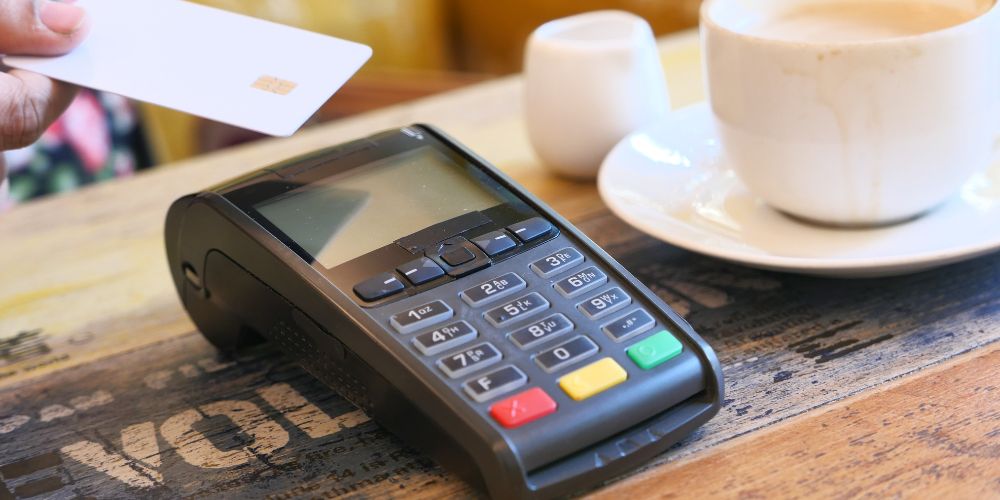
The first step in upgrading your vending machines is to understand the types of cashless payment systems available. Simple card readers can be added to existing machines, allowing them to accept major credit and debit cards. Some systems also support contactless payments through mobile wallets like Apple Pay or Google Wallet. Advanced solutions might include mobile apps, loyalty programs, or remote monitoring software. Choosing the right technology depends on your customers, machine locations, and overall business goals. For example, vending machines in office buildings may benefit more from contactless and mobile payment options, while machines in schools or gyms might only need basic card readers.
Installing a Card Reader
Installing a credit card reader can vary in complexity. Modern vending machines are often modular, making installation straightforward. Older machines, however, may require modifications, such as cutting slots for the reader or rewiring the payment system. Card readers should be mounted securely to prevent damage or theft. For outdoor machines, it is important to choose devices that are weather-resistant and durable. Professional installation can sometimes be necessary to ensure proper integration with the machine and to meet security requirements.
Security Considerations
Accepting credit cards involves handling sensitive customer information, so security is a key concern. Most modern readers encrypt payment data and meet the Payment Card Industry Data Security Standards (PCI DSS). Using certified devices and keeping software up to date reduces the risk of fraud. Secure network connections are also necessary, especially for machines that send data to remote servers or payment processors. Prioritizing security builds customer trust and protects your business from potential financial and legal issues.
Benefits of Cashless Payment Systems
Upgrading to card payments does more than make transactions easier. Advanced vending systems can provide detailed insights into customer behavior, sales trends, and inventory needs. For example, if certain products sell quickly when purchased with a card, operators can adjust stock levels to meet demand. Remote monitoring can reduce the need for frequent manual checks, saving time and labor costs. These systems can also support marketing features like digital punch cards, discounts, and promotions. For those looking for a solution, a reliable vending machine credit card payment system can help integrate payments and analytics in one easy-to-manage platform.
Costs and Fees
Payment processing involves fees, usually a small percentage of each transaction. Operators should research providers to find competitive rates. Some processors offer flat fees, while others charge per transaction or by sales volume. It’s important to weigh these fees against the potential increase in sales from cashless payments. In many cases, the added convenience and increased customer reach outweigh the costs, making the investment worthwhile.
Customer Awareness
Once your machines are upgraded, customers need to know about the new payment options. Clear instructions and visible signage on the machine can guide users through the process. Displaying accepted payment types, including mobile and contactless options, helps prevent confusion. Promoting the upgrade through local advertising or social media can also attract new customers. Making the transition easy and obvious ensures that customers take advantage of the new payment methods.
Regulatory and Legal Requirements
Electronic payment systems must comply with local regulations, tax reporting requirements, and financial rules. Operators should make sure devices are certified for use in their area and that transactions are properly recorded for accounting purposes. Keeping receipts and maintaining transaction logs can prevent disputes and ensure accountability. Understanding the legal landscape avoids penalties and ensures smooth operations.
Maintenance and Support
Card readers are generally reliable, but occasional technical issues can occur. Connectivity problems, software glitches, or hardware malfunctions should be addressed quickly to avoid downtime. Regular maintenance, software updates, and support agreements with suppliers can help keep machines functioning properly. Quick response to technical issues ensures customers have a positive experience and protects revenue.
Future Opportunities
Accepting card payments opens new business opportunities. Modern systems allow operators to offer loyalty programs, dynamic pricing, and promotional offers directly through the vending machine. Discounts, bonus points, or special deals for using cards or mobile payments can encourage repeat purchases and customer loyalty. Integrating these features into your vending business can create a more engaging experience for users while increasing sales.
Conclusion
Upgrading your vending machines to accept credit card payments is an important step for any operator looking to stay competitive. It involves selecting the right payment system, secure installation, compliance with regulations, and ongoing maintenance. Beyond convenience, card-enabled machines offer business insights, customer engagement opportunities, and higher revenue potential. As consumer preferences continue to move toward cashless payments, making this change ensures your vending business meets expectations, attracts more customers, and thrives in the modern market.








Post Comment