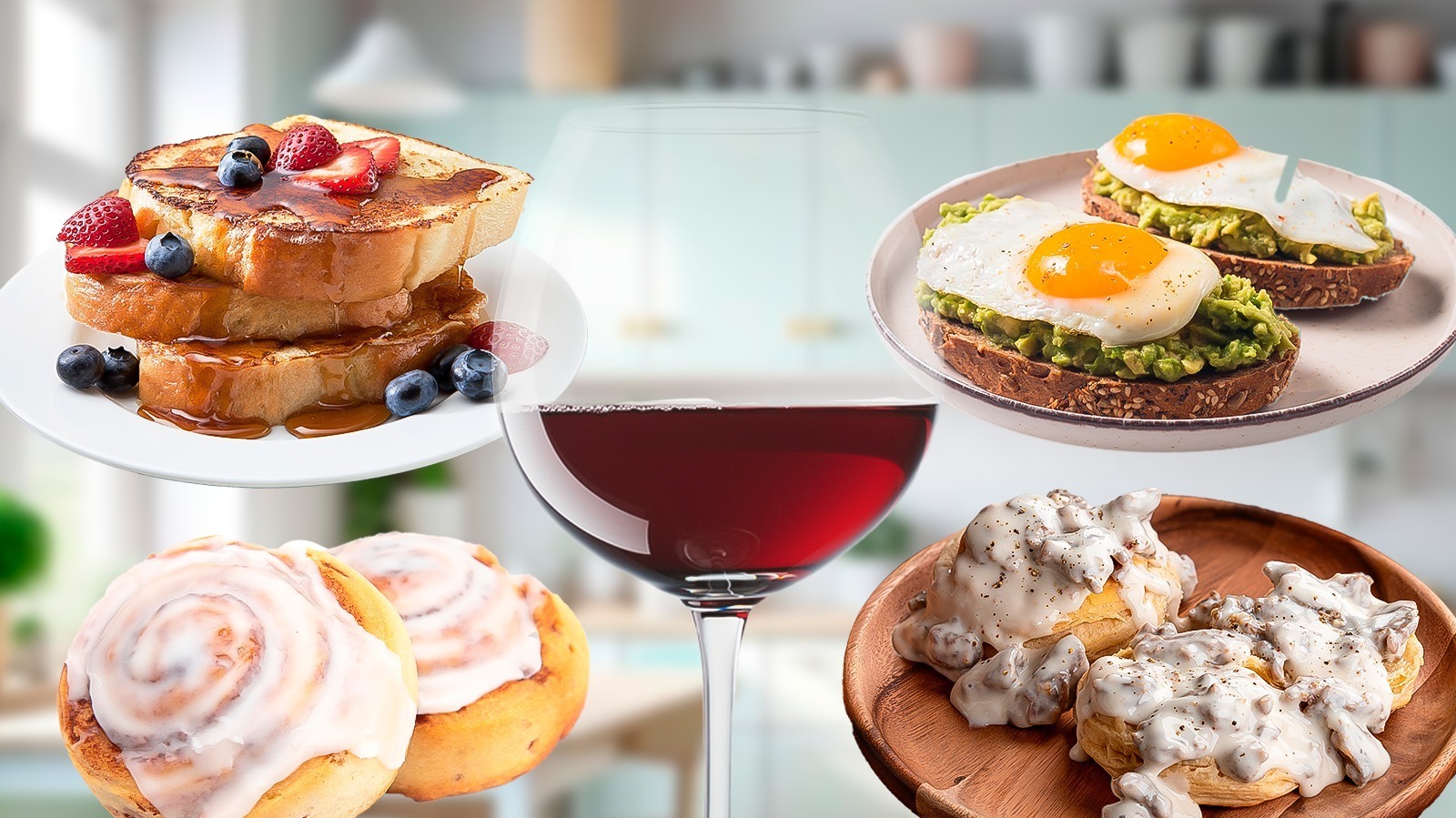
How to Pair Wine with Your Favorite Comfort Foods
Comfort food and wine pairing represents one of the most emotionally resonant aspects of culinary experience, where the familiar meets the sophisticated in ways that can transform ordinary meals into memorable occasions. The traditional approach to wine pairing often emphasizes formal dining scenarios, but the reality is that most people consume wine alongside the foods that bring them comfort and joy. Understanding how to bridge this gap between casual comfort and refined pairing creates opportunities for everyday luxury that enhances both the food and the wine experience.
Breaking the Barriers of Pairing Orthodoxy
The conventional wisdom surrounding wine pairing often creates artificial barriers that prevent people from exploring combinations that might bring genuine pleasure. These rigid rules emerged from formal dining contexts that don’t reflect how most people actually eat and drink. Comfort foods, by their very nature, challenge these conventions because they prioritize emotional satisfaction over culinary precision. The key lies in understanding that successful pairings enhance the emotional experience of comfort food rather than conforming to arbitrary matching principles.
Personal taste preferences override theoretical pairing guidelines when it comes to comfort food combinations. What brings one person comfort might feel alien to another, making individualized exploration more valuable than following prescribed formulas. The goal becomes finding wines that amplify the specific emotional and sensory qualities that make particular foods comforting rather than simply matching flavor profiles according to established rules.
Cultural comfort foods present unique pairing opportunities that often fall outside traditional wine pairing frameworks. International comfort foods like Korean fried chicken, Indian curry, or Mexican tacos create exciting challenges that require thinking beyond European food and wine traditions. These combinations often produce surprisingly harmonious results that demonstrate the universal appeal of balanced flavors and textures.
Understanding the Emotional Landscape of Comfort
Comfort foods trigger emotional responses that go beyond mere taste satisfaction, creating complex psychological states that wine can either enhance or diminish. The nostalgic elements of comfort food often connect to specific memories, family traditions, or cultural experiences that carry emotional weight. Wine pairings become successful when they support these emotional connections rather than competing with them for attention.
The timing and context of comfort food consumption significantly affect pairing success. Stress-eating scenarios require different wine approaches than celebratory comfort meals. Solitary comfort eating creates different pairing needs than shared comfort food experiences. Understanding these contextual factors helps identify wines that complement the emotional state rather than working against it.
Temperature and texture contrasts become particularly important in comfort food pairings because these foods often emphasize specific sensory experiences. Hot, creamy foods might benefit from cool, crisp wines that provide sensory balance. Crunchy comfort foods could pair well with wines that offer textural complexity. The goal is creating harmony between the sensory experience of the food and the wine rather than simply matching flavors.
The Architecture of Flavor Harmony
Successful comfort food and wine pairings often work through complementary rather than matching principles. Rich, fatty comfort foods can benefit from wines with enough acidity to cut through the richness without overwhelming the comforting qualities. Spicy comfort foods might pair well with wines that provide cooling effects or complementary heat. The key is understanding how different wine characteristics interact with comfort food elements.
Umami-rich comfort foods create unique pairing opportunities because this savory flavor component interacts with wine in ways that can enhance both elements. Foods like grilled cheese, mac and cheese, or bacon-wrapped items contain high levels of umami that can make wines taste more complex and satisfying. Understanding these interactions helps identify wines that will taste better when paired with umami-rich comfort foods.
Sweetness levels in both food and wine require careful consideration in comfort food pairings. Many comfort foods contain subtle sweetness that can clash with dry wines or create overwhelming sweetness when paired with sweet wines. Finding the right balance often involves identifying wines with complementary sweetness levels that enhance rather than compete with the food’s natural sweetness.
Regional Comfort and Local Wine Traditions
Regional comfort food traditions often developed alongside local wine cultures, creating natural pairing opportunities that reflect geographic and cultural harmony. Italian comfort foods like risotto or pasta dishes have natural affinity with Italian wines that developed in the same regions. French comfort foods pair naturally with French wines from similar climates and soil conditions. These regional connections often provide excellent starting points for exploration.
Climate considerations affect both comfort food preferences and wine characteristics in ways that create natural pairing opportunities. Cold climate comfort foods often emphasize warming spices and hearty textures that complement wines from similar climates. Warm climate comfort foods might feature lighter preparations and brighter flavors that work well with wines from similar regions.
Local ingredient availability historically influenced both comfort food development and wine production, creating natural affinities between regional specialties. Understanding these historical connections helps identify pairing opportunities that feel authentic and harmonious rather than forced or artificial.
Creating Memorable Comfort Food Experiences
The social aspect of comfort food consumption creates unique opportunities for wine pairing that extend beyond simple flavor matching. Little Italy restaurants San Diego and similar establishments understand that comfort food often serves as a centerpiece for social gatherings, family meals, and celebration events where wine can enhance the communal experience. These social contexts require wines that facilitate conversation and connection rather than demanding focused attention.

Seasonal comfort food preferences create natural rhythms for wine pairing exploration. Winter comfort foods like stews, roasts, and hearty soups call for different wine approaches than summer comfort foods like grilled items or fresh salads. Understanding these seasonal patterns helps develop pairing strategies that feel appropriate for the time of year and the specific comfort food context.
Special occasion comfort food experiences benefit from wines that can elevate the meal without overwhelming its comforting qualities. Birthday celebrations, holiday gatherings, and other special events often feature comfort foods that hold emotional significance. Wine selections for these occasions should enhance the celebratory atmosphere while respecting the important role that familiar foods play in these meaningful moments.
Practical Approaches to Everyday Pairing
Building a wine collection that supports comfort food pairing requires understanding which wine styles work across multiple comfort food categories. Versatile wines that complement a range of comfort foods provide better value and more frequent pairing opportunities than highly specialized bottles. These foundational wines create the backbone of a comfort food-focused wine collection.
Budget considerations become particularly important in comfort food pairing because these combinations often occur during casual, everyday meals rather than special occasions. Identifying affordable wines that elevate comfort food experiences without breaking the budget makes wine pairing accessible for regular enjoyment rather than rare indulgences.
Storage and serving considerations for comfort food wine pairings often differ from formal dining scenarios. Comfort foods might be enjoyed in casual settings where elaborate wine service isn’t practical. Understanding how to properly store and serve wine in casual contexts ensures that pairing opportunities aren’t missed due to practical constraints.
Advanced Techniques for Comfort Food Enhancement
Texture manipulation through wine selection can dramatically improve comfort food pairings. Wines with specific textural characteristics can complement or contrast with comfort food textures in ways that enhance both elements. Sparkling wines might provide textural contrast to creamy comfort foods, while full-bodied wines might complement hearty, substantial dishes.
Temperature serving strategies become crucial in comfort food pairings because these foods are often served at specific temperatures that affect flavor perception. Understanding how wine temperature interacts with hot comfort foods helps optimize the pairing experience. Cold wines might provide refreshing contrast to hot foods, while cellar-temperature wines might complement warm dishes without creating jarring temperature contrasts.
Decanting and aeration techniques can improve certain wines when paired with comfort foods, particularly red wines that might benefit from exposure to air before consumption. Understanding when and how to use these techniques in casual comfort food settings helps maximize pairing potential without adding unnecessary complexity to the experience.
Conclusion
The art of pairing wine with comfort foods represents a democratization of wine culture that makes sophisticated flavor experiences accessible in everyday contexts. By understanding how emotional satisfaction, cultural traditions, and personal preferences interact with wine characteristics, anyone can create pairing experiences that enhance both the food and the wine while respecting the fundamental purpose of comfort food consumption.
The key to successful comfort food and wine pairing lies in embracing flexibility and personal preference while understanding basic principles of flavor harmony and texture interaction. This approach creates opportunities for discovery and enjoyment that extend beyond traditional pairing rules to encompass the full spectrum of human culinary experience. The goal is not perfection but rather enhancement—finding wines that make comfort foods more satisfying and comfort foods that make wines more enjoyable, creating synergistic relationships that bring genuine pleasure to everyday meals.






Post Comment