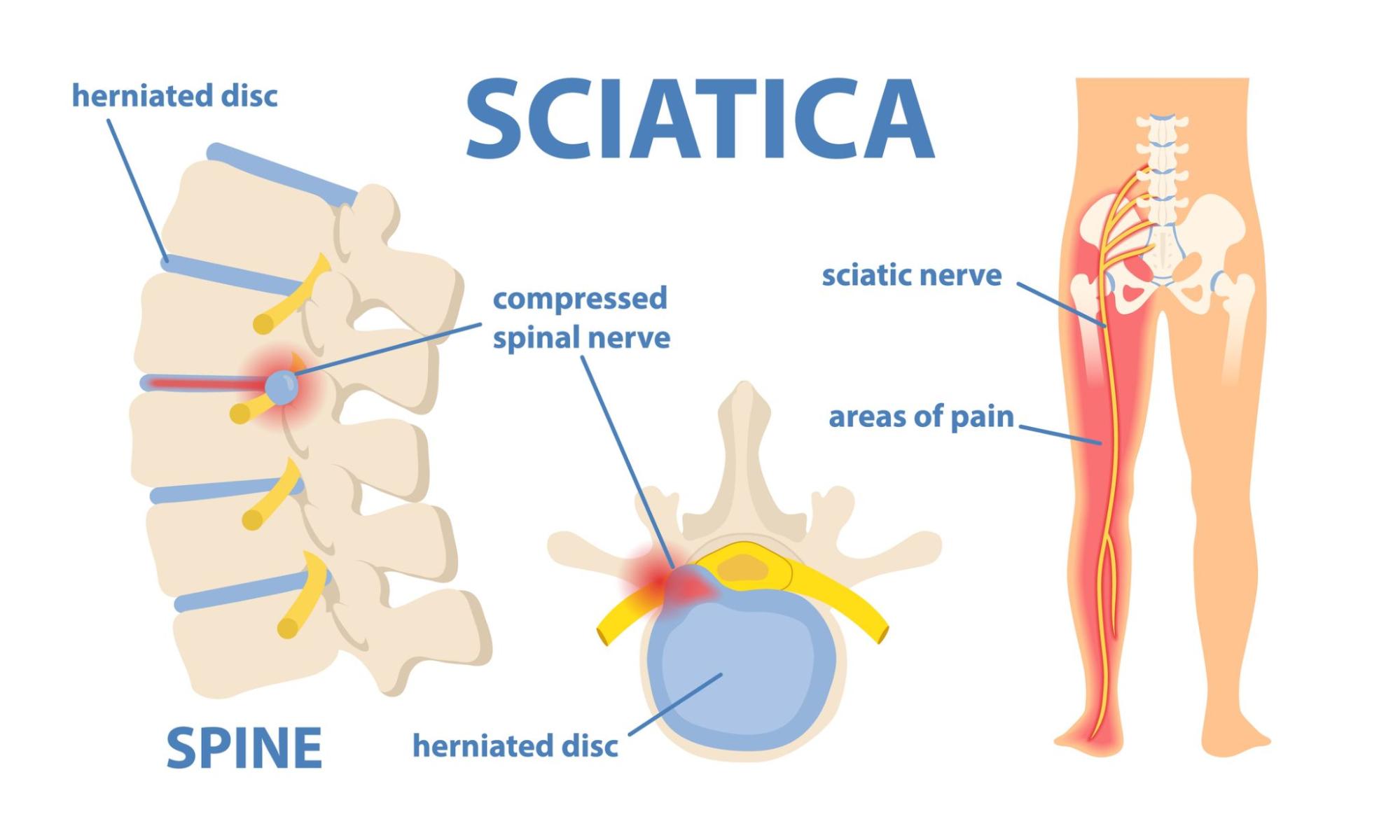
How to Manage and Treat Sciatica for Long-Term Relief
Sciatica can be a debilitating condition that affects mobility, comfort, and overall quality of life. The pain, which radiates from the lower back down through the legs, is caused by irritation or compression of the sciatic nerve. While the symptoms can be intense, effective treatments are available to help manage and reduce pain in the long term.
Understanding Sciatica and Its Causes
Sciatica is often caused by a herniated disc, spinal stenosis, or muscle imbalances that put pressure on the sciatic nerve. Other contributing factors include poor posture, prolonged sitting, obesity, and injuries. Identifying the root cause is crucial in determining the most effective treatment plan.
Non-Surgical Treatment Options
Medications for Pain Relief
Over-the-counter pain relievers like ibuprofen or acetaminophen can help reduce inflammation and discomfort. For more severe pain, doctors may prescribe muscle relaxants, nerve pain medications, or corticosteroid injections to provide longer-lasting relief.
Physical Therapy and Exercise
Strengthening the muscles that support the spine and improving flexibility can help alleviate sciatic pain. Physical therapy programs focus on stretching tight muscles, improving posture, and increasing core strength to reduce nerve compression. Exercises like gentle yoga, swimming, and walking are also beneficial for long-term relief.
Nerve Block and Epidural Steroid Injections
For patients experiencing persistent pain, nerve blocks and epidural steroid injections provide targeted relief by reducing inflammation around the sciatic nerve. These treatments are particularly helpful for individuals who have not responded well to medications or therapy.
Chiropractic Care and Spinal Adjustments
Chiropractic adjustments can help realign the spine and relieve pressure on the sciatic nerve. Spinal manipulation therapy has been shown to improve mobility and decrease pain levels in patients with sciatica.
Lifestyle Modifications and At-Home Care
Simple changes can make a significant difference in managing sciatic pain. Maintaining good posture, avoiding prolonged sitting, using ergonomic chairs, and incorporating stretching into daily routines can prevent flare-ups. Applying heat or ice packs to the affected area can also provide temporary relief.
When Surgery Becomes an Option
If conservative treatments fail to provide relief and sciatica significantly impacts daily life, surgical options may be considered. Procedures such as microdiscectomy or laminectomy can help remove the source of nerve compression, offering long-term relief. However, surgery is generally recommended only when pain persists despite several months of non-surgical treatment.
Long-Term Pain Management and Prevention
To prevent sciatica from recurring, regular exercise, proper posture, and weight management are essential. Practicing mindfulness and stress reduction techniques can also help, as tension and stress can contribute to muscle tightness and nerve irritation.
Expert Care at Neurology and Pain Management Clinic
Dr. Gautam Arora and his team at the Neurology and Pain Management Clinic (NPMC) specialize in diagnosing and treating sciatica with personalized care plans. By combining advanced medical treatments with holistic approaches, they help patients achieve long-term relief and improved quality of life. If you’re struggling with sciatic pain, seeking professional guidance can be the key to lasting recovery.







Post Comment