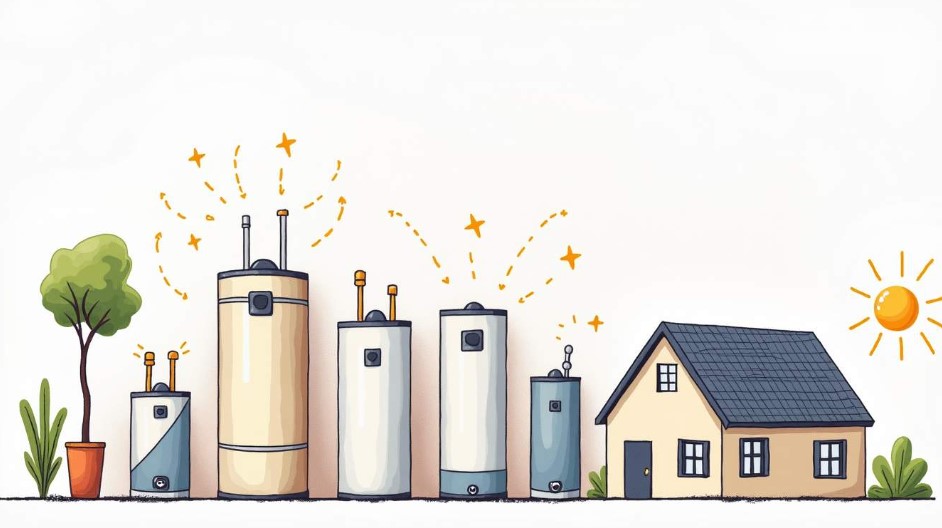
How to Choose the Right Water Heater for Your Home
Choosing the right water heater for your home is a decision that impacts your comfort, energy bills, and even your environmental footprint. With so many options available, from traditional tank models to cutting-edge tankless systems, navigating the choices can feel overwhelming. This guide will walk you through the key factors to consider, helping you select a water heater that fits your household’s needs and budget.
Understanding Different Types of Water Heaters
Storage Tank Water Heaters
Storage tank water heaters are the most common type found in homes. These units store a set amount of hot water—usually between 30 and 80 gallons—in an insulated tank, keeping it ready for use. When you turn on the hot water tap, the heater releases water from the tank while simultaneously refilling it with cold water to be heated.
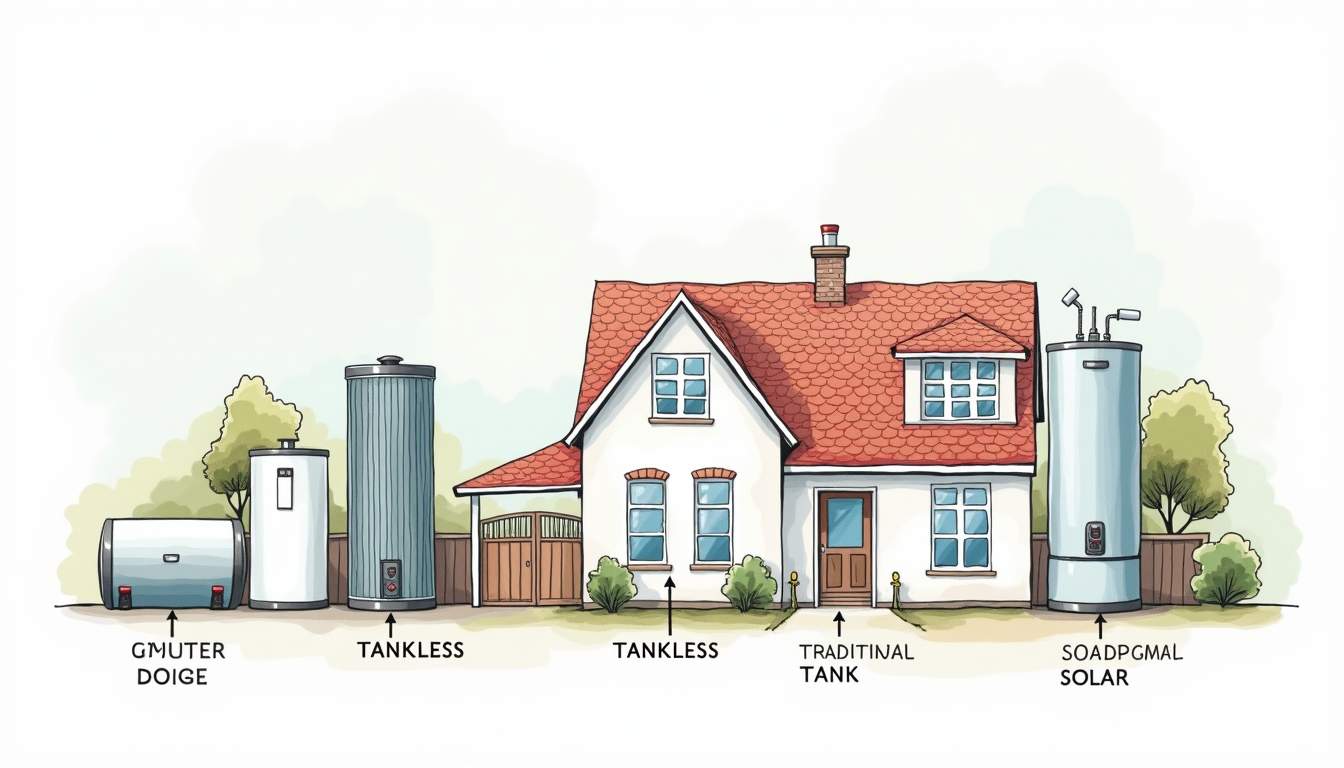
One of the main advantages of storage tank heaters is their ability to deliver hot water immediately, as it’s already heated and waiting. However, they do have some drawbacks, including standby heat loss, where energy is wasted keeping the water hot even when it’s not being used. This can lead to higher energy bills over time.
Tankless (On-Demand) Water Heaters
Tankless water heaters, also known as on-demand heaters, heat water only when you need it. Instead of storing hot water, these units use powerful heating elements or gas burners to heat water as it flows through the system. This means you don’t have to worry about running out of hot water, and you avoid the standby heat loss associated with tanks.
Tankless models are often more energy-efficient and have a longer lifespan than traditional tank heaters. However, their initial cost tends to be higher, and they may require upgrades to your home’s electrical system or gas lines. Additionally, the flow rate can be a limitation if multiple hot water outlets are used simultaneously. For expert guidance and installation services, you can visit Plumber Singapore to ensure the right tankless system is set up for your home.
Heat Pump Water Heaters
Heat pump water heaters use electricity to move heat from the surrounding air into the water, rather than generating heat directly. This makes them highly energy-efficient, often using 60% less electricity than conventional electric water heaters.
While heat pump water heaters have higher upfront costs and require more space due to their size and ventilation needs, they can significantly reduce your energy bills in the long run. They work best in moderate to warm climates where ambient air temperatures remain relatively high.
Solar Water Heaters
Solar water heaters harness energy from the sun to heat your water, making them an environmentally friendly option. These systems typically include solar collectors installed on your roof and a storage tank.
While solar water heaters can drastically reduce your energy costs and carbon footprint, they require a significant initial investment and may not be suitable for homes in areas with limited sunlight. Additionally, they often need a backup system for cloudy days or high demand.
Assessing Your Household’s Hot Water Needs
Calculate Your Daily Hot Water Usage
Before selecting a water heater, it’s crucial to understand how much hot water your household consumes daily. This depends on the number of people living in your home and your typical water usage habits. For example, showers, dishwashing, laundry, and other activities all contribute to your overall demand.
On average, a person uses about 20 to 30 gallons of hot water per day. Multiply this by the number of household members to get a rough estimate. For instance, a family of four might use between 80 and 120 gallons daily. This figure will help you determine the size and capacity of the water heater you need.
Consider Peak Usage Times
Think about when your household uses the most hot water. Morning routines, evening showers, and laundry days can create peak demand periods. If multiple family members shower back-to-back or several appliances run simultaneously, you’ll need a water heater that can keep up.
For storage tank heaters, this means choosing a tank size that can handle peak usage. For tankless models, it means selecting a unit with a sufficient flow rate, measured in gallons per minute (GPM), to meet simultaneous demands.
Energy Sources: Gas, Electric, and Beyond
Gas Water Heaters
Gas water heaters use natural gas or propane to heat water. They tend to heat water faster and can be more cost-effective in areas where gas prices are low. Many homeowners prefer gas units for their quick recovery times and ability to supply large amounts of hot water.
However, gas water heaters require proper ventilation and regular maintenance to ensure safety. They also produce greenhouse gases, which may be a consideration for environmentally conscious consumers.
Electric Water Heaters
Electric water heaters are often easier to install and maintain since they don’t require venting. They can be a good choice for homes without access to natural gas or propane. Electric units tend to have lower upfront costs but can be more expensive to operate depending on local electricity rates.
Heat pump water heaters fall into this category but are much more energy-efficient than traditional electric resistance models.
Alternative Energy Options
In addition to solar water heaters, some homeowners explore hybrid systems that combine different energy sources. For example, a solar water heater paired with a gas or electric backup can optimize energy savings while ensuring reliable hot water supply.
When considering alternative energy options, it’s important to evaluate your local climate, energy costs, and any available incentives or rebates for renewable energy installations.
Size and Capacity: Finding the Perfect Fit
Choosing the Right Tank Size
If you opt for a storage tank water heater, selecting the correct tank size is essential. A tank that’s too small will run out of hot water quickly, leading to cold showers and frustration. Conversely, an oversized tank wastes energy by heating more water than necessary.
Here’s a general guideline based on household size:
- 1-2 people: 30-40 gallons
- 2-4 people: 40-50 gallons
- 4-6 people: 50-80 gallons
Keep in mind that larger households or those with high hot water demands may need bigger tanks or multiple heaters.
Determining Flow Rate for Tankless Heaters
Tankless water heaters are rated by their flow rate, which indicates how many gallons of hot water they can provide per minute. To choose the right size, add up the flow rates of all fixtures you expect to use simultaneously. For example, a shower typically uses 2.5 GPM, a dishwasher around 1.5 GPM, and a washing machine about 2 GPM.
If you anticipate using a shower and dishwasher at the same time, you’d need a unit capable of at least 4 GPM. It’s wise to select a slightly higher capacity than your calculated need to ensure comfort during peak usage.
Energy Efficiency and Operating Costs
Look for Energy Star Ratings
Energy Star-certified water heaters meet strict efficiency guidelines set by the U.S. Environmental Protection Agency. Choosing an Energy Star model can reduce your energy consumption and save money on utility bills over time.
Both tank and tankless water heaters are available with Energy Star ratings. While these models may have a higher upfront cost, their improved efficiency often results in lower operating costs and a faster return on investment.
Consider the Energy Factor (EF) and Uniform Energy Factor (UEF)
The Energy Factor (EF) and the newer Uniform Energy Factor (UEF) are metrics used to measure a water heater’s efficiency. The higher the EF or UEF, the more efficient the unit is at converting energy into hot water.
When comparing models, look for those with higher EF or UEF ratings. This will help you identify units that use less energy to heat the same amount of water, reducing your environmental impact and monthly expenses.
Calculate Long-Term Savings
While the initial purchase price is important, consider the total cost of ownership, including installation, maintenance, and energy costs. Sometimes a pricier model with better efficiency will save you money in the long run.
Many manufacturers and utility companies offer online calculators to estimate your potential savings based on your location, energy rates, and usage patterns. Taking advantage of these tools can guide you toward the most cost-effective choice.
Installation and Maintenance Considerations
Professional Installation is Key
Proper installation is critical for the safe and efficient operation of your water heater. Gas units require venting and gas line connections, while electric and heat pump models may need specific electrical work.
Hiring a licensed plumber or HVAC professional ensures your system meets local codes and manufacturer specifications. This not only protects your investment but also helps maintain warranties and avoid costly repairs down the line.
Space and Location Requirements
Consider where your water heater will be installed. Storage tank models require enough floor space and clearance for maintenance, while tankless units can be mounted on walls, saving valuable room.
Heat pump water heaters need additional space for air circulation and may generate some noise during operation. Solar water heaters require roof space for solar collectors with good sun exposure.
Maintenance Needs
Regular maintenance prolongs the life of your water heater and ensures optimal performance. For storage tanks, this includes flushing the tank annually to remove sediment buildup and inspecting the anode rod to prevent corrosion.
Tankless water heaters require periodic descaling, especially in areas with hard water, to keep the heat exchanger clean. Heat pump and solar systems may have additional maintenance tasks related to their components.
Environmental Impact and Incentives
Reducing Your Carbon Footprint
Choosing an energy-efficient water heater not only saves money but also reduces your home’s environmental impact. Electric heat pump and solar water heaters produce fewer greenhouse gas emissions compared to conventional gas or electric resistance models.
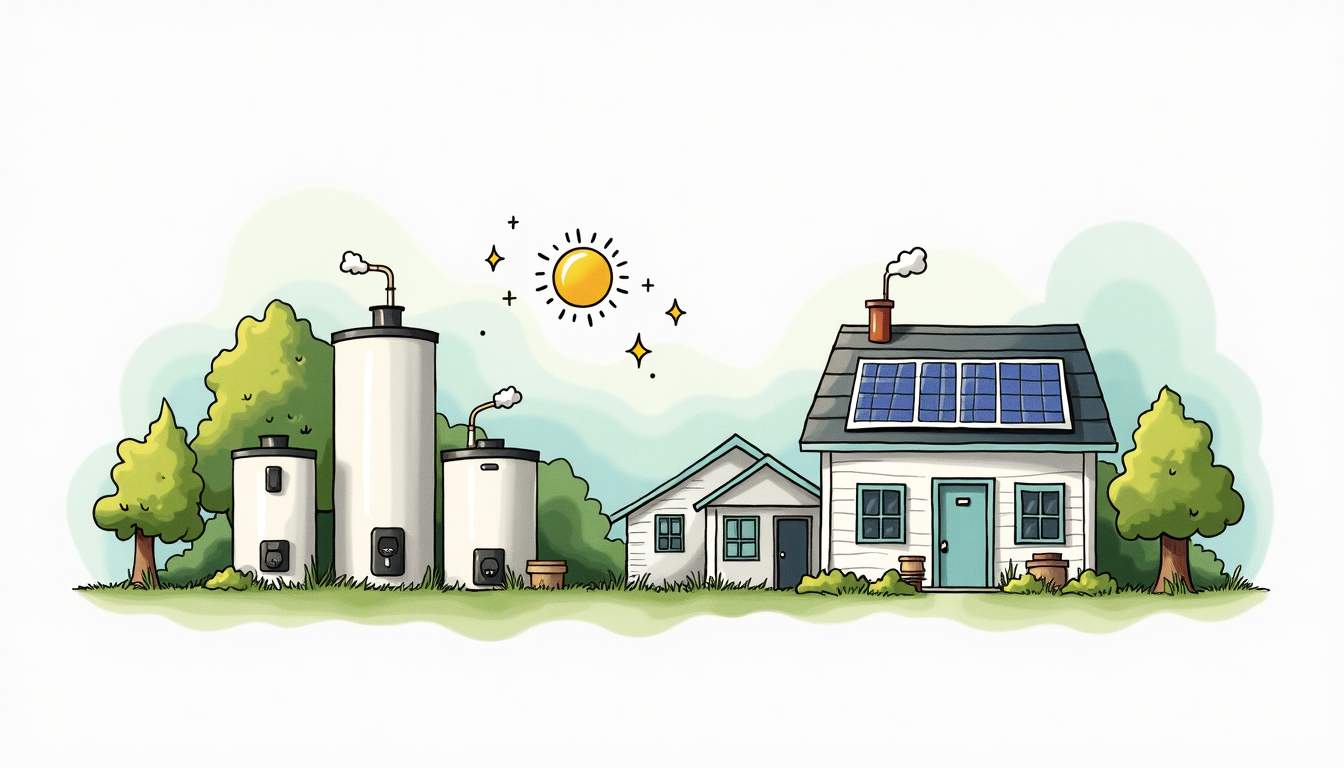
By selecting a system that aligns with your environmental values, you contribute to cleaner air and a more sustainable future.
Explore Available Rebates and Tax Credits
Many local and federal programs offer incentives for installing energy-efficient or renewable water heating systems. These can include rebates, tax credits, or low-interest financing options that make upgrading more affordable.
Check with your utility company, state energy office, or the Database of State Incentives for Renewables & Efficiency (DSIRE) to find programs available in your area. Taking advantage of these incentives can significantly offset the initial cost of a new water heater.
Final Thoughts
Choosing the right water heater involves balancing your household’s hot water needs, energy preferences, budget, and environmental goals. By understanding the different types of water heaters, assessing your usage patterns, and considering energy efficiency and installation factors, you can select a system that delivers comfort and savings for years to come.
Remember that investing in a quality water heater and professional installation pays off in reliability and peace of mind. Whether you opt for a traditional storage tank, a sleek tankless model, or an eco-friendly heat pump or solar system, the right water heater will keep your home warm and welcoming every day.








Post Comment