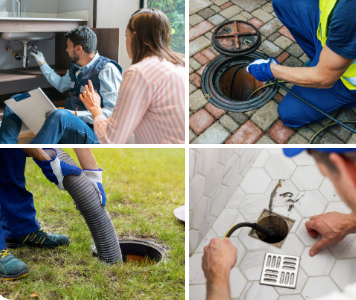
How Residential Drainage Systems Protect Your Property During Rainy Seasons
Heavy rain is more than just a temporary inconvenience. When water pools around your home or fails to drain properly, it can lead to structural damage, soil erosion, mold growth, and even flooding. Residential drainage systems are designed to control and direct water safely away from areas where it can cause harm. For homeowners, investing in reliable drainage solutions is not a luxury—it’s a long-term protection strategy.
In this guide, we’ll break down how residential drainage systems work, why they are essential during rainy seasons, and how professional residential drainage services and solutions like Banner Retaining Walls help safeguard your property.
Understanding the Purpose of Residential Drainage Systems
A residential drainage system collects excess rainwater and redirects it away from your home’s foundation, yard, and other vulnerable areas. These systems are designed to:
-
Prevent water buildup near foundations
-
Reduce soil erosion
-
Protect landscapes and hardscapes
-
Improve home safety and comfort
-
Reduce flooding and backyard pooling
When installed correctly, drainage systems protect both your outdoor structures and interior living spaces. They are especially critical during high-rainfall seasons when your yard and foundation are exposed to continuous moisture.
How Rainwater Damages Your Property Without Proper Drainage
When heavy rain occurs, water naturally follows gravity. If your property has no controlled system, it will pool in low areas, saturate soil, and eventually weaken building structures. Below are the most common issues.
1. Foundation Damage
Water pooling around the base of your home can seep through cracks, weaken concrete, and cause structural shifting. Over time, this leads to:
-
Basement leaks
-
Foundation fractures
-
Interior humidity
-
Mold and mildew growth
Even small amounts of moisture can create long-term structural problems, especially in older homes.
2. Soil Erosion
Rainwater that flows freely across your yard gradually strips away topsoil. This exposes plant roots, weakens landscaping, and destabilizes hills or sloped terrains. Erosion is not always immediate—it happens silently over months or years.
3. Standing Water in Yards
Flat or poorly graded land quickly becomes a swamp during rainy seasons. Standing water:
-
Attracts mosquitoes
-
Kills grass and plants
-
Creates slippery, muddy outdoor spaces
-
Damages driveways and hardscapes
Without a proper drainage solution, your yard may remain wet and unusable long after storms pass.
Types of Residential Drainage Systems That Protect Your Home
Different properties require different water-management solutions. Professional residential drainage services evaluate your lot’s slope, soil type, rainfall frequency, and existing landscaping before recommending a system. Here are the most commonly used approaches:
1. French Drains
French drains use perforated pipes buried beneath soil or gravel. They collect groundwater and redirect it away from the home.
Best for:
-
Damp basements
-
Foundation drainage
-
Homes with soggy yards
2. Surface Drains
Surface drains collect water from visible areas such as driveways, patios, and lawns. They are usually installed at ground level with grates.
Best for:
-
Heavy pooling
-
Concrete or paved areas
-
Yard depressions
3. Gutter & Downspout Drainage
Roof gutters and downspouts are often overlooked, but they are the first defense against roof runoff. Directing rainwater away from the home avoids foundation damage.
Best for:
-
Homes with roof runoff problems
-
Preventing soil erosion
-
Protecting siding and windows
4. Dry Wells
Dry wells absorb collected rainwater and release it into the ground slowly, preventing surface flooding.
Best for:
-
Large areas of runoff
-
Homes in high rainfall zones
5. Channel Drains
Channel drains—commonly installed across driveways and walkways—capture water flowing across surface areas.
Best for:
-
Flood-prone driveways
-
Pool decks and patios
-
Sloped concrete
Banner Retaining Walls: A Strong Solution for Water Control
Retaining walls are not just decorative. When engineered properly, they serve as powerful drainage tools that protect your property from erosion and runoff. Banner Retaining Walls provide structural strength while improving water control in sloped or uneven yards.
How Retaining Walls Help During Rainy Seasons
-
They block soil from sliding downhill
-
They absorb and divert rainwater
-
They protect landscaped areas
-
They can incorporate built-in drainage systems
Many retaining walls include gravel backfill, perforated piping, or weep holes that prevent water buildup. When rainwater is forced to pass through controlled channels, it prevents catastrophic soil displacement and flooding near your home.
Signs You Need Residential Drainage Services
You may not notice drainage problems until the rainy season hits. However, early warning signs can indicate underlying issues:
✓ Puddles forming after light rain
✓ Soil washing downhill
✓ Water marks on exterior foundation
✓ Basement dampness or musty odors
✓ Uneven or sinking paving stones
✓ Grass that consistently dies or turns muddy
✓ Mold growing near windows or vents
These symptoms should not be ignored. They indicate that rainwater is already affecting your home—and the damage will worsen during heavy storms.
Benefits of Investing in Professional Residential Drainage Services
While there are DIY drainage solutions, they often fail over time because they don’t address the root cause. Hiring trained drainage specialists ensures a long-term solution.
1. Customized Assessment
Experts evaluate:
-
Grading
-
Soil types
-
Water flow patterns
-
Yard elevation
-
Structural vulnerabilities
This allows them to design a system that works with your property’s unique features.
2. High-Quality Installation
Professionals use proven methods and durable materials, ensuring the system doesn’t collapse, clog, or overflow.
3. Long-Term Property Protection
Good drainage reduces the likelihood of:
-
Flooding
-
Structural damage
-
Landscaping loss
-
Pest problems
-
Foundation failure
Fixing drainage is far cheaper than repairing a cracked foundation or remodeling water-damaged basements.
Combining Drainage Systems With Banner Retaining Walls
The most reliable drainage setups are often layered. For example:
-
A Banner retaining wall can redirect hillside water.
-
A French drain can collect runoff at the base.
-
Surface drains can eliminate puddles in entryways.
-
Downspouts can move roof water to safe areas.
Together, these measures handle rainfall at multiple levels—above ground, at ground level, and below surface. This comprehensive approach prevents overload during long rainy periods.
Maintenance Tips to Keep Your Drainage System Working
Even the best drainage system requires care. Here’s how to keep yours functioning during wet months:
1. Clean Gutters and Downspouts
Clogged gutters force water to spill along siding and foundation.
2. Inspect Grates and Drains
Remove debris such as leaves, soil, and gravel.
3. Check Retaining Walls for Moisture
Look for seepage or soil movement that may indicate blocked drainage.
4. Watch for Yard Pooling
Standing water after storms may signal a blocked pipe or sediment buildup.
5. Schedule Routine Inspections
A professional drainage contractor can detect problems early and save you from costly repairs.
Conclusion: Stay Protected All Year Long
Your home is one of your most valuable investments—protecting it from water damage should be a priority. Residential drainage systems are not just about convenience. They are essential tools that safeguard your foundation, landscaping, and outdoor structures.
Whether you’re dealing with erosion, yard flooding, or moisture around your home’s foundation, professional residential drainage services can diagnose the issue and implement the right solutions. Combined with infrastructure like Banner Retaining Walls, these systems provide durable performance during rainy seasons and long-term peace of mind.








Post Comment