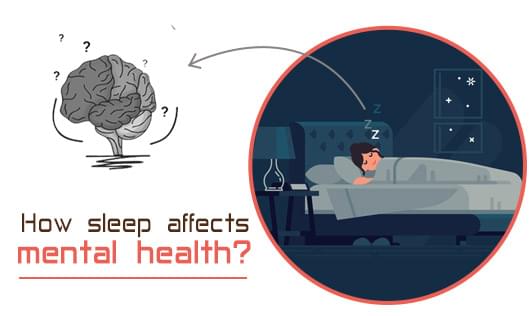
How Much Sleep Do You Need for Peak Mental Performance?
Sleep is not a luxury—it is a biological necessity for optimal brain function. In today’s fast-paced world, many people sacrifice sleep to meet work, family, or social demands, often unaware of the serious impact this can have on mental performance and long-term neurological health. According to Dr Gautam Arora, senior neurologist at the Neurology and Pain Management Clinic (NPMC) in Delhi NCR, getting the right amount of quality sleep is one of the most powerful ways to protect and enhance brain function.
Why Sleep Is Essential for the Brain
During sleep, the brain performs critical maintenance tasks. It consolidates memories, clears metabolic waste, repairs neural connections, and regulates mood and concentration. Deep sleep allows the brain to flush out toxins, including beta-amyloid proteins linked to Alzheimer’s disease.
Without sufficient sleep, the brain struggles to process information efficiently, leading to reduced attention span, slower reaction time, emotional instability, and poor decision-making.
How Much Sleep Is Ideal?
The optimal amount of sleep varies by age, but for most adults, 7 to 9 hours per night is considered ideal for peak mental performance.
Recommended Sleep Duration by Age:
-
Adults (18–64 years): 7–9 hours
-
Older adults (65+ years): 7–8 hours
-
Teenagers: 8–10 hours
-
Children: 9–12 hours
Consistently sleeping less than 6 hours increases the risk of memory impairment, anxiety, depression, stroke, and neurodegenerative diseases.
Signs You’re Not Getting Enough Sleep
Many people adapt to chronic sleep deprivation without realising its effects. Common warning signs include:
- Difficulty focusing or remembering information
- Irritability or mood swings
- Daytime sleepiness
- Reduced productivity
- Frequent headaches
- Poor judgment or slowed thinking
Dr. Gautam Arora warns that these symptoms are often misattributed to stress or ageing, when sleep deprivation is the real cause.
Sleep Quality Matters as Much as Quantity
Sleeping for eight hours doesn’t guarantee mental sharpness if sleep quality is poor. Conditions such as sleep apnea, restless leg syndrome, insomnia, and chronic pain can interrupt deep sleep cycles, preventing the brain from fully restoring itself.
At NPMC, neurological evaluation helps identify sleep-related disorders that affect brain health. Treating these underlying conditions can significantly improve alertness, memory, and emotional stability.
How Sleep Enhances Mental Performance
Adequate sleep directly improves:
- Memory retention and learning ability
- Attention and concentration
- Problem-solving skills
- Emotional regulation
- Reaction time and coordination
Studies show that individuals who get sufficient sleep perform better at work, make fewer errors, and have stronger creative thinking abilities.
Tips for Better Sleep and Brain Health
Dr. Gautam Arora recommends these neurologist-approved habits for better sleep:
- Maintain a consistent sleep schedule
- Avoid screens at least one hour before bedtime
- Limit caffeine after mid-afternoon
- Create a dark, quiet, and cool sleeping environment
- Avoid heavy meals late at night
- Practice relaxation techniques such as deep breathing or meditation
If sleep issues persist despite lifestyle changes, professional evaluation is essential.
When to Seek Medical Help
If you experience ongoing sleep problems, excessive daytime fatigue, loud snoring, or memory issues, it may indicate an underlying neurological or sleep disorder. Early intervention can prevent long-term cognitive decline.
At the Neurology and Pain Management Clinic (NPMC), Dr. Gautam Arora provides expert assessment and personalised treatment plans to help patients restore healthy sleep patterns and achieve peak mental performance








Post Comment