How Marble Visualization Software is Transforming Modern Interior Design
In the world of interior design, imagination meets innovation through marble visualization software — a game-changing digital tool that lets designers and homeowners virtually explore endless marble possibilities before a single tile is laid. This technology is reshaping the way marble is selected, matched, and applied, offering a new dimension of creativity, accuracy, and confidence in the design process.
Once a process dominated by intuition and physical samples, marble selection has evolved into a dynamic, visual, and interactive experience. With visualization technology, homeowners can now see how different marble textures, veining patterns, and color tones will look in their living spaces — instantly, precisely, and realistically.
A New Era of Digital Design Decisions
Interior design has always been a blend of art and practicality. Designers must balance aesthetic vision with functional needs and budget constraints. Traditionally, this meant visiting showrooms, comparing samples under artificial lights, and hoping the chosen marble would look equally stunning once installed.
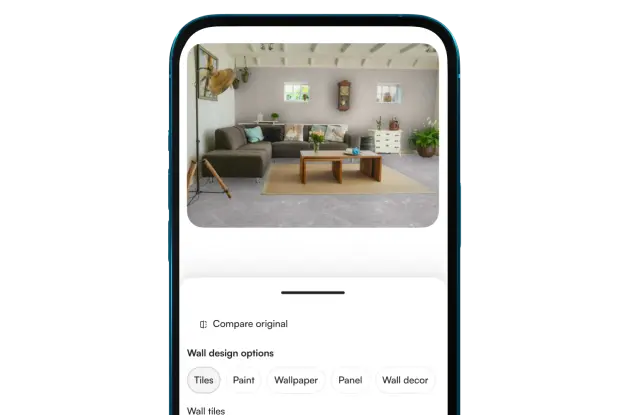
But digital tools are rewriting this narrative. Marble visualization software eliminates guesswork, giving users high-resolution renderings of marble designs within lifelike room settings. This means you can instantly visualize your kitchen countertop, bathroom walls, or lobby floors with any marble slab in any finish — without lifting a single stone.
Why Designers and Homeowners Love Visualization Tools
The rise of visualization software in interior design isn’t just a technological trend — it’s a creative revolution. Here’s why professionals and clients are embracing it wholeheartedly:
1. Precision in Material Selection
No two marble slabs are the same. Each piece carries unique veins, shades, and textures. Visualization tools capture these subtle differences, allowing designers to choose slabs that align perfectly with the desired mood — from soft sophistication to dramatic elegance.
2. Realistic 3D Previews
These platforms create photorealistic 3D renderings of interiors. Users can rotate, zoom, and explore every detail — seeing exactly how light, space, and texture interact with the selected marble. It’s like walking through your future home before it’s built.
3. Reduced Time and Costs
Traditionally, revising design ideas or replacing unsuitable marble choices meant delays and wasted money. Visualization software shortens the decision-making cycle, helping clients finalize their designs faster, with fewer changes later.
4. Enhanced Client Communication
Design presentations become interactive storytelling sessions. Instead of showing static samples or mood boards, designers can now demonstrate how each marble option transforms a room in real time — leading to better collaboration and happier clients.
5. Sustainable and Smart Design Choices
By minimizing waste and unnecessary transportation of slabs, visualization technology also contributes to more sustainable design practices — aligning with the growing global emphasis on eco-friendly architecture.
How Marble Visualization Software Works
At its core, this software combines advanced 3D modeling, artificial intelligence, and augmented reality to create an immersive design experience.
Step 1: Uploading the Space
Users upload images or blueprints of their interiors — such as a bathroom wall, kitchen island, or floor layout.
Step 2: Selecting Marble Types
A library of high-definition marble textures and finishes (like Carrara, Calacatta, or Statuario) is available to choose from. Users can mix, match, and experiment with different options instantly.
Step 3: Real-Time Rendering
With one click, the software applies the chosen marble texture to the uploaded space. AI algorithms adjust lighting, shadows, and reflections to ensure the visualization looks authentic.
Step 4: Customization and Sharing
Designers can adjust dimensions, angles, and finishes — then share the realistic renders with clients for instant feedback or approval.
This process transforms marble selection from an abstract decision into an intuitive, interactive, and visual experience.
The Role of AI and AR in Marble Visualization
Artificial intelligence (AI) and augmented reality (AR) are the silent engines behind this digital transformation.
- AI enhances texture mapping and color accuracy, ensuring that each digital slab mirrors the real-world material.
- AR, on the other hand, brings designs to life by allowing users to project virtual marble surfaces into their physical surroundings using smartphones or tablets.
Imagine standing in your living room and virtually changing your flooring from dark Emperador to light Botticino marble — in seconds. This is the power of AI-driven design, where creativity meets clarity.
The Impact on the Interior Design Industry
Visualization technology is doing more than simplifying marble selection — it’s redefining industry standards.
1. Empowering Designers
Designers are no longer limited by what they can describe; they can show clients exactly what to expect. This reduces misunderstandings and speeds up approvals.
2. Elevating Client Experience
Clients become active participants in the design process. They can explore multiple design directions without feeling overwhelmed or uncertain.
3. Streamlining the Supply Chain
Marble suppliers can integrate visualization tools into their sales process, helping customers visualize slabs from their catalog. This leads to quicker decisions and fewer returns.
4. Increasing ROI for Businesses
From marble showrooms to architecture firms, everyone in the design ecosystem benefits from improved conversion rates, reduced waste, and more efficient project timelines.
Designing Beyond Boundaries
Modern design is not just about aesthetics — it’s about experience. With digital visualization, creativity knows no limits.
Customized Elegance
Homeowners can experiment with unique marble combinations that reflect their personality — mixing bold black Nero Marquina with subtle white Calacatta or trying geometric patterns in marble for statement walls.
Designing for Every Space
Whether it’s a minimalist office lobby or a cozy home kitchen, visualization tools adapt to different environments. Users can test how marble interacts with paint colors, lighting, and furniture before committing.
Architectural Innovation
Architects can simulate large-scale projects with complex marble layouts — from luxury hotels to public buildings — ensuring every inch of design harmony is achieved.
How Visualization Fosters Collaboration
The digital design process encourages seamless communication between:
- Designers – who bring creativity and technical expertise.
- Suppliers – who provide accurate data on marble availability.
- Clients – who visualize and approve designs in real time.
This collaborative ecosystem ensures smoother workflows, better project management, and ultimately, more successful outcomes.
Challenges and Future Potential
While the technology is groundbreaking, it’s still evolving. Some challenges include:
- High-quality rendering requires powerful computing capabilities.
- Accurate color calibration across devices can vary.
- Integration with VR systems is still being refined for mass adoption.
Yet, the future looks promising. As AI continues to evolve, we’ll soon see:
- Predictive design tools that suggest marble types based on mood or architectural style.
- Cloud-based visualization platforms that support multi-user collaboration in real time.
- Integration with 3D printing, enabling architects to create physical prototypes of digital marble designs.
Case Study: A Design Firm’s Digital Transformation
Consider “Studio Arvo,” a boutique interior design firm that integrated marble visualization tools into its workflow. Before adopting this technology, clients often struggled to make confident marble selections. The firm relied heavily on sample swatches and imagination.
After implementing visualization software, Studio Arvo reported:
- A 45% reduction in client indecision time.
- Faster project approvals, as clients could visualize final results immediately.
- Increased referrals, thanks to the impressive digital design experience offered during consultations.
This real-world success story highlights how technology doesn’t replace creativity — it amplifies it.
Frequently Asked Questions
Q1: Is marble visualization software suitable for homeowners without design experience?
Absolutely! These platforms are built with user-friendly interfaces. Even those new to design can experiment with different marble textures and layouts effortlessly.
Q2: Can I use my own room photos for visualization?
Yes. Most tools allow you to upload images of your actual space, so you can see how each marble type will look in your real environment.
Q3: Does visualization software work only for marble?
While marble is a primary focus, many advanced tools now include options for granite, quartz, and other materials — expanding creative possibilities.
Q4: How accurate are these visualizations compared to real installations?
With high-resolution texture mapping and AI-driven rendering, visualizations are up to 95% accurate in representing real-world results, including color and light reflections.
The Evolution of Design Confidence
Design confidence used to depend on intuition and experience. Now, it’s backed by data, visualization, and real-time interaction. Visualization tools empower both designers and clients to make creative yet informed decisions — ensuring every marble surface complements the intended atmosphere perfectly.
Conclusion: A Future Shaped by Digital Imagination
The journey of marble — from quarries to living spaces — has entered a new digital chapter. Marble visualization software has transformed how we design, decide, and dream. It has turned marble from a static material into an interactive storytelling element, making the design journey more immersive and collaborative than ever before.
As interior design continues to merge with digital innovation, visualization tools will remain at the heart of creative transformation — bridging the gap between imagination and reality, one marble slab at a time.








Post Comment