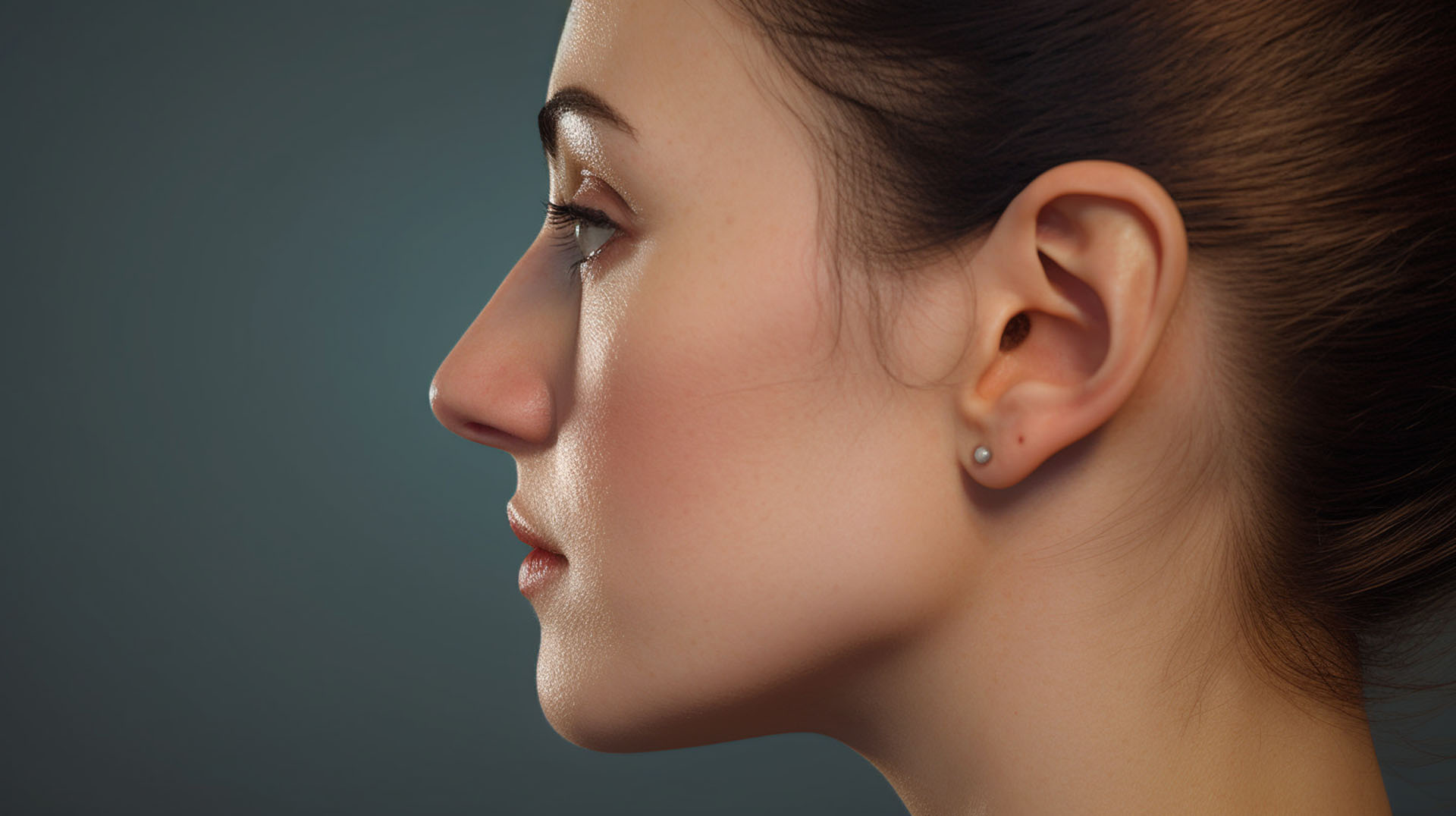
How long is the recovery period after Rhinoplasty?
Rhinoplasty, commonly referred to as a “nose job,” is a popular cosmetic and functional procedure designed to reshape the nose or correct breathing problems. While many patients focus on the aesthetic outcomes, understanding the recovery period is equally important for achieving optimal results. If you are considering Rhinoplasty in Islamabad, knowing what to expect during recovery can help you plan your schedule and ensure a smooth healing process.
Immediate Recovery: The First Week
The first week after rhinoplasty is typically the most critical. During this period, patients may experience:
-
Swelling and Bruising: Most noticeable around the eyes and nasal bridge.
-
Mild Discomfort: Pain or pressure can occur, usually managed with prescribed medications.
-
Nasal Congestion: Due to internal swelling and any surgical splints or packing.
Most surgeons place a nasal splint or cast to support the new structure, which is usually removed after 5–7 days. Bruising and swelling begin to subside gradually, but you may still look slightly “puffy.”
Weeks 2–3: Reducing Swelling and Returning to Daily Activities
By the second week:
-
Bruising Fades: Most visible bruising around the eyes significantly diminishes.
-
Light Activities Resume: Walking, desk work, and light household tasks are typically allowed.
-
Nasal Splints Removed: If not removed earlier, the splint is taken off, allowing improved airflow.
Many patients feel comfortable returning to social settings with makeup or gentle touch-ups to cover residual bruising. However, strenuous activities, heavy lifting, and contact sports are still discouraged.
Weeks 4–6: Healing Progresses
During this phase, swelling continues to decrease, but subtle changes are still occurring internally.
-
Improved Breathing: Nasal passages start functioning more normally as internal swelling reduces.
-
Moderate Activity: Exercise can be gradually reintroduced, but with caution to avoid trauma.
-
Appearance: The nose starts to take its general shape, though final refinements are not yet complete.
Patients are often advised to avoid wearing glasses that rest on the bridge of the nose during this period to prevent pressure on the healing tissues.
Months 2–3: Subtle Refinements
By the second to third month:
-
Swelling Minimizes: The majority of swelling disappears, especially at the bridge.
-
Nasal Tip Softens: The tip begins to look more defined, though minor swelling may persist.
-
Normal Activities Resume: Most daily routines, including exercise and work, are safe.
During this stage, it’s important to continue following post-operative care instructions, such as protecting the nose from direct sunlight and avoiding accidental bumps.
Months 6–12: Final Results
Although the nose may appear mostly healed by 3 months, full refinement can take up to 12 months.
-
Final Contours: The nasal tip and bridge reach their definitive shape.
-
Swelling Resolves Completely: Especially in thicker-skinned patients, minor residual swelling can last up to a year.
-
Stable Results: Functional improvements and aesthetic changes become permanent.
Patience is key. Even if the results seem subtle at first, continued improvement is normal throughout the first year.
Factors That Affect Recovery Time
-
Surgical Technique: Open rhinoplasty may involve slightly longer healing than closed rhinoplasty due to more extensive tissue manipulation.
-
Individual Healing: Genetics, age, and skin type influence swelling and recovery speed.
-
Complexity of Surgery: Revision rhinoplasty or cases involving major structural changes may take longer to heal.
-
Lifestyle Choices: Smoking, alcohol, and poor nutrition can slow down recovery.
-
Post-Op Care: Following the surgeon’s instructions regarding rest, cleaning, and avoiding trauma is critical for smooth healing.
Tips for a Smooth Recovery
-
Rest and Elevate: Keep your head elevated, especially in the first week, to reduce swelling.
-
Avoid Trauma: Be careful to prevent accidental bumps or pressure to the nose.
-
Stay Hydrated and Eat Well: Proper nutrition aids tissue repair and reduces swelling.
-
Avoid Smoking and Alcohol: These can impede healing and increase the risk of complications.
-
Follow Surgeon’s Guidelines: Attend all follow-ups and take prescribed medications as directed.
When to Seek Medical Advice
While most swelling, bruising, and mild discomfort are normal, contact your surgeon if you experience:
-
Excessive bleeding
-
Severe or worsening pain
-
Signs of infection (redness, warmth, pus)
-
Difficulty breathing beyond normal swelling
Early intervention can prevent complications and ensure the best possible outcome.
Recovery Without Nasal Packing
Many modern rhinoplasty procedures, especially minor cosmetic surgeries, no longer require nasal packing. This reduces discomfort and makes breathing easier during the initial days of recovery. Even without packing, following recovery guidelines ensures proper healing.
The Importance of Choosing an Experienced Surgeon
An experienced surgeon significantly impacts both the speed and quality of recovery. At SKN Cosmetics, rhinoplasty procedures are performed by board-certified surgeons who employ advanced techniques to minimize trauma and accelerate healing. Patients benefit from personalized care plans and post-operative guidance tailored to their unique needs.
Frequently Asked Questions (FAQs)
1. When can I return to work after rhinoplasty?
Most patients return to desk jobs within 1–2 weeks, depending on swelling and bruising.
2. When can I exercise?
Light exercise can usually resume after 3–4 weeks, while contact sports should be avoided for at least 6–8 weeks.
3. How long does swelling last?
Most swelling resolves within 3–6 months, but minor residual swelling can persist up to 12 months.
4. Can I wear glasses during recovery?
Avoid wearing glasses that rest on the bridge for at least 4–6 weeks to prevent pressure on the healing nose.
5. Is the recovery different for men and women?
Recovery is generally similar, but men may experience slightly longer swelling due to thicker skin and stronger cartilage.
Final Thoughts
The recovery period after rhinoplasty varies depending on the surgical technique, complexity, and individual healing process. While the initial swelling and bruising subside within the first few weeks, the nose continues to refine and settle over 6–12 months. Understanding the stages of recovery and following your surgeon’s instructions can ensure a smooth healing process and optimal results.





Post Comment