
How Insulation Enhances Commercial Safety
Insulation enhances commercial safety by acting as a critical barrier against fire spread, moisture infiltration, and indoor air contamination. It slows heat transfer, protects structural integrity, and improves occupant safety by limiting toxic smoke and harmful pollutants. This article explains how insulation materials contribute directly to commercial safety, outlines key technical specifications, compares material options, and identifies crucial factors to consider before installation. Readers will gain clear, practical knowledge to make informed decisions based on safety and regulatory requirements.
Insulation’s most immediate safety benefit is fire resistance. Fire-rated insulation slows flame spread, reducing the risk of catastrophic fire damage and providing more time for evacuation. It also prevents structural damage caused by extreme temperature changes and moisture buildup, both of which can degrade building materials over time. Additionally, insulation seals air leaks that might allow harmful airborne particles or gases to enter occupied spaces, maintaining healthier indoor environments. Understanding these safety functions helps building managers and contractors choose the right insulation system for their commercial properties.
Fire Safety Benefits of Insulation
Fire Resistance and Flame Containment
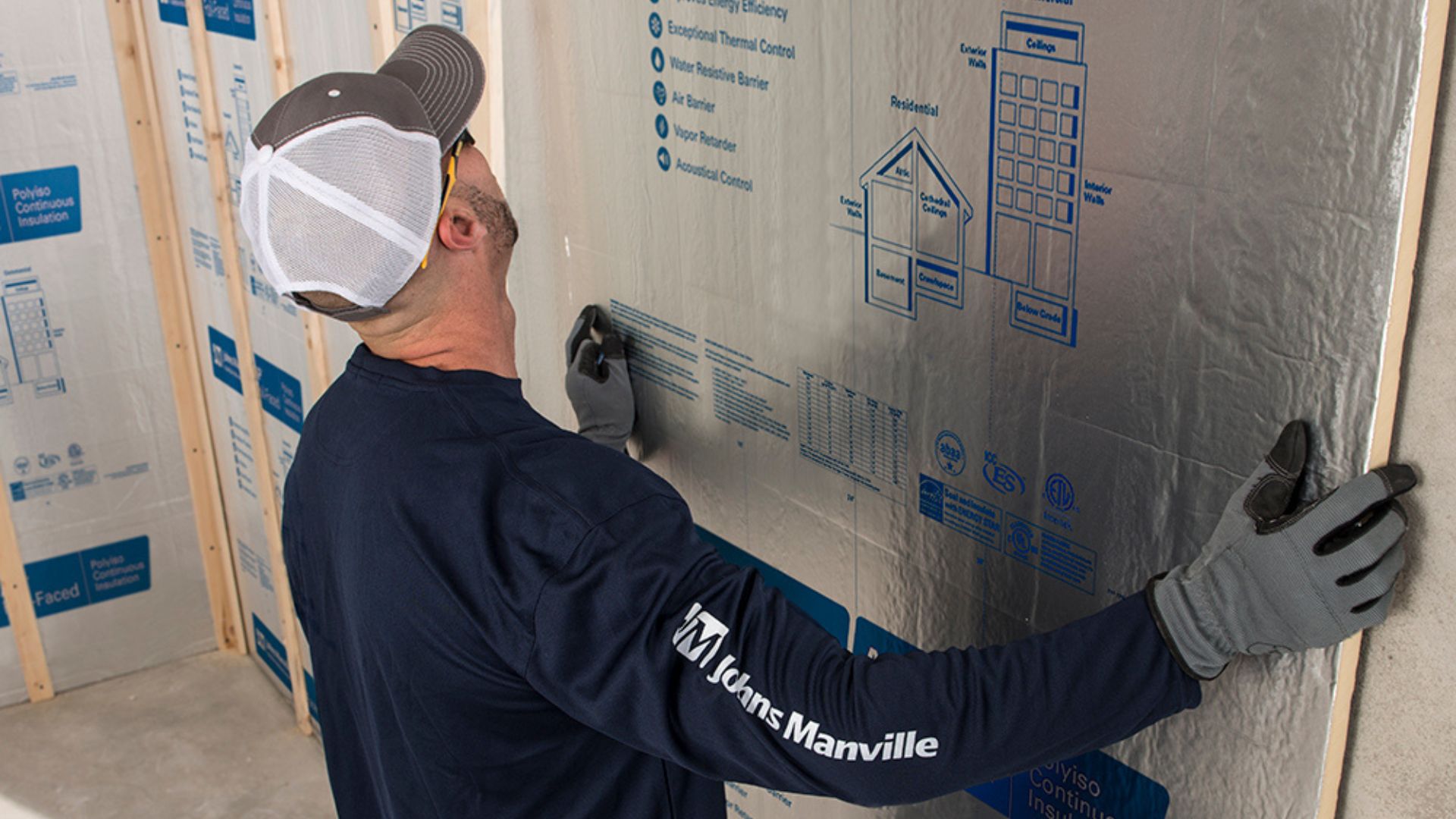
Fire-rated insulation materials create physical barriers that resist ignition and limit flame spread. This containment delays fire progression, reducing property damage and increasing occupant evacuation time. Materials like mineral wool and polyisocyanurate (polyiso) provide excellent fire resistance, making them suitable for high-risk areas such as electrical rooms or mechanical spaces.
Smoke Control and Toxicity Reduction
During combustion, some insulation materials produce less toxic smoke than others. Low smoke toxicity reduces health hazards for occupants and first responders by maintaining better visibility and reducing inhalation risks. Mineral wool and closed-cell spray foam typically generate less harmful smoke compared to untreated cellulose or fiberglass.
Structural Protection from Thermal Stress
Insulation limits rapid temperature fluctuations that cause materials to expand and contract. This reduces cracks, warping, and moisture intrusion, preserving structural integrity over time. Stable thermal environments also protect sensitive equipment from damage caused by extreme heat or cold.
Insulation Types Compared for Safety
|
Insulation Type |
Fire Rating |
Smoke Toxicity |
Moisture Resistance |
Typical Application |
Cost Level |
|
Mineral Wool |
Excellent |
Low |
High |
Industrial walls, fire barriers |
Medium |
|
Fiberglass Batt |
Good |
Medium |
Moderate |
Offices, retail interiors |
Low |
|
Closed-Cell Spray Foam |
Good |
Low |
Very High |
Roofs, cold storage, basements |
High |
|
Polyisocyanurate (Polyiso) |
Excellent |
Low |
High |
Roofs, wall panels |
Medium |
|
Treated Cellulose |
Moderate |
Medium |
Low |
Retrofit cavities |
Low |
Mineral wool is notable for its superior fire resistance and low smoke output, often required in fire-rated walls. Closed-cell spray foam excels in moisture control, critical for basements and roofing. Polyiso combines fire safety and moisture resistance, widely used in roofing systems. Fiberglass is cost-effective but offers moderate fire and moisture protection. Treated cellulose is affordable but less suitable where fire and moisture resistance are critical.
Technical Specifications for Commercial Safety
|
Specification |
Role in Safety |
Typical Range/Standard |
|
R-Value (Thermal Resistance) |
Controls heat flow, protecting structure |
R-6 to R-30+ depending on thickness |
|
Flame Spread Index |
Measures speed of flame spread |
0–25 (Class A is ideal) |
|
Smoke Developed Index |
Quantifies smoke density in fire |
≤ 450 (lower is safer) |
|
Water Vapor Permeance |
Indicates moisture barrier strength |
0.1–10 perms (lower = better) |
|
Density |
Impacts fire resistance and durability |
0.5–3.0 lb/ft³ depending on material |
Fire codes such as NFPA 5000 and the International Building Code (IBC) require commercial insulation to meet minimum fire and smoke standards. Most projects mandate Class A fire ratings (flame spread ≤25) and limits on smoke production to qualify for permits. The market reflects these demands; the global insulation market is expected to exceed $80 billion by 2027, with fire safety and energy efficiency driving growth.
Factors to Consider Before Choosing Insulation
Building Use and Occupancy
High-occupancy or sensitive environments (hospitals, data centers, schools) require insulation with top fire and smoke resistance. Industrial facilities might prioritize moisture resistance due to environmental exposure.
Compliance with Codes and Standards
Verify local regulations for fire ratings, moisture resistance, and indoor air quality. Ensure insulation materials meet ASTM E84 and UL 723 testing where required.
Environmental Conditions and Exposure
Consider humidity levels, chemical exposure, and installation access. Moisture-prone areas need materials with strong vapor barriers, while retrofit spaces may have thickness or clearance constraints.
Budget and Long-Term Value
Balance upfront costs with long-term safety benefits and energy savings. Cheaper materials with poor fire ratings can increase risk and incur higher replacement or damage costs.
Bonus Tip: Conduct thermal imaging inspections before selecting insulation to identify leaks and weak spots for targeted upgrades.
Common Questions About Commercial Insulation Safety
What is the difference between fire-resistant and fire-retardant insulation?
Fire-resistant insulation naturally withstands combustion, while fire-retardant insulation contains chemicals that slow ignition and flame spread.
Does insulation improve safety during power outages?
Yes, by maintaining stable indoor temperatures longer, insulation reduces risks from extreme cold or heat during outages.
Is insulation maintenance required?
Periodic inspections are essential, especially after leaks or renovations. Damage or moisture buildup can reduce fire resistance and thermal performance.
How do I confirm my insulation meets safety codes?
Hire licensed inspectors or fire safety auditors to verify compliance with code and manufacturer specifications.
Bonus Tip: Label inspection dates clearly near insulation access points for routine safety checks.
How Insulation Improves Air Quality
Sealing gaps and preventing drafts, insulation reduces infiltration of outdoor pollutants such as dust, pollen, and exhaust fumes. This helps maintain healthier indoor environments, reducing respiratory issues for occupants. Moisture control also prevents mold growth, a common source of indoor air contaminants in commercial buildings.
Fire Safety in Different Commercial Applications
Offices and Retail
These spaces benefit from moderate-cost fiberglass or mineral wool insulation with good fire ratings to protect occupants and property.
Industrial and Manufacturing
Higher-risk environments require mineral wool or closed-cell spray foam that resists fire, chemicals, and moisture.
Data Centers and Healthcare
Require the highest fire safety and air quality control, often combining mineral wool and polyiso for dual protection.
Topic FAQ
How does insulation reduce fire hazards?
By acting as a barrier to heat and flames, insulation slows fire spread and limits smoke generation, enhancing occupant safety.
What insulation materials are safest for commercial buildings?
Mineral wool and polyiso provide excellent fire resistance and low smoke emissions, ideal for commercial safety.
Can insulation help with moisture control?
Yes, especially closed-cell spray foam and polyiso, which act as effective vapor barriers.
How often should insulation be inspected?
At least every 3-5 years or after any incidents like leaks or renovations.
Does insulation affect indoor air quality?
Proper insulation reduces drafts and pollutant infiltration, improving air quality and occupant health.
Make the Right Decision
Insulation is a foundational component of commercial safety strategies. Fire resistance, moisture control, and air quality improvements all stem from selecting the right insulation system tailored to building use, local codes, and environmental conditions. Conduct professional safety and energy audits to guide your choice, balancing upfront investment with long-term protection. Prioritize materials tested to meet or exceed fire safety standards for maximum occupant and property protection.
Author and Reviewer:
Author: Bob Gasca attended his first spray foam training in 2007 and has continued to pursue yearly training to stay current with the latest technology and practices. He is a certified Spray Foam Master Installer through the SPFA and a member of the SPFA. Additionally, Bob serves as a Spray Foam Worldwide Ambassador, sharing information with spray foam professionals globally. Recently, he returned from a building science training, where he expanded his knowledge on how weather conditions affect home performance, helping him better diagnose and improve home health for families. Bob specializes in finding solutions to complex moisture and air infiltration issues.
Reviewer: Noah Gonzalez reviewed this article and drew on 9 years of experience to offer suggestions that make the guidance more directly useful for insulation contractors.







Post Comment