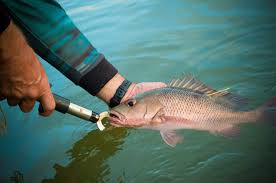
How Fish Tagging Systems Unlock the Secrets of Migration and Breeding Patterns
Introduction
Understanding fish migration and breeding patterns is crucial for marine conservation, sustainable fisheries, and ecosystem management. One of the most effective tools scientists use today is fish tagging systems. These systems provide invaluable data on fish movements, spawning grounds, and environmental adaptations.
In this article,
What Are Fish Tagging Systems?
Fish tagging systems involve attaching physical or electronic tags to fish to monitor their movements, growth, and survival rates. These tags collect data that helps researchers understand:
- Migration routes
- Spawning locations
- Habitat preferences
- Responses to climate change
Types of Fish Tags
- External Tags (Dart & Spaghetti Tags)
- Simple, cost-effective tags attached to a fish’s body.
- Often used in mark-recapture studies.
- Internal Tags (PIT Tags – Passive Integrated Transponders)
- Implanted under the skin, these tags are scanned to identify individual fish.
- Commonly used in hatcheries and breeding studies.
- Acoustic Tags
- Emit sound signals detected by underwater receivers.
- Ideal for tracking deep-sea and long-distance migrations.
- Satellite Tags (Pop-up Archival Tags – PATs)
- Record depth, temperature, and location before transmitting data to satellites.
- Used for large migratory species like tuna and sharks.
- Data Storage Tags (DSTs)
- Log environmental data (temperature, pressure) and must be retrieved to access information.
Each type serves a unique purpose, helping scientists gather precise data on fish behavior.
How Fish Tagging Tracks Migration Patterns
Fish migration is a complex phenomenon influenced by temperature, food availability, and breeding needs. Fish tagging systems provide real-time and historical data to map these movements.
Key Findings from Tagging Studies
- Atlantic Salmon – Tagging revealed their transatlantic journeys from North American rivers to Greenland.
- Bluefin Tuna – Satellite tags showed migrations across entire ocean basins, aiding in international fishery regulations.
- Great White Sharks – Acoustic tags uncovered a “White Shark Café,” a mid-Pacific gathering spot.
Benefits for Conservation
- Identifying critical habitats for protection.
- Reducing bycatch by understanding migration corridors.
- Improving fishing quotas based on accurate population data.
Tracking Breeding Patterns with Fish Tagging
Understanding where and when fish spawn is essential for protecting vulnerable species. Fish tagging systems help identify:
- Spawning Grounds – Critical areas needing conservation.
- Timing of Reproduction – Helps regulate fishing bans during breeding seasons.
- Survival Rates of Juveniles – Assesses the success of hatchery programs.
Case Study: Pacific Salmon
Researchers used PIT tags to track salmon returning to their natal rivers. This data helped:
- Restore damaged spawning habitats.
- Adjust dam operations to improve fish passage.
Commercial & Environmental Impact of Fish Tagging Systems
For Fisheries & Aquaculture
- Sustainable Fishing – Ensures fish stocks aren’t overharvested.
- Aquaculture Optimization – Tracks growth rates and health in farmed fish.
For Policy & Regulation
- Informs Fishing Quotas – Prevents overfishing of migratory species.
- Supports Marine Protected Areas (MPAs) – Identifies key zones needing protection.
For Climate Change Research
- Tracks how warming oceans shift migration routes.
- Monitors species adapting (or struggling) in changing environments.
The Future of Fish Tagging Technology
Innovations are making fish tagging more efficient and accessible:
- Miniaturization – Smaller tags for younger/smaller fish.
- AI & Machine Learning – Faster data analysis for large tracking projects.
- Biodegradable Tags – Reducing environmental impact.
Emerging Trends
- Blockchain for Traceability – Ensuring legally caught fish reach markets.
- Citizen Science Programs – Anglers reporting tagged fish to aid research.
Conclusion
Fish systems are revolutionizing our understanding of marine life. By tracking migration and breeding patterns, these technologies support conservation, sustainable fishing, and climate research. As tagging methods advance, we’ll gain even deeper insights into the underwater world—ensuring healthier oceans for future generations.








Post Comment