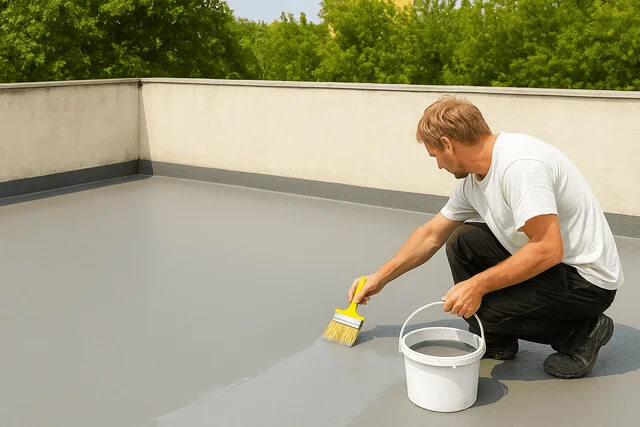
How Basement Waterproofing Services Increase Home Value
If there’s one thing that quietly determines your home’s long-term value, it’s what lies beneath—your basement. Whether you use it as storage, a playroom, or an extra living space, the condition of your basement reflects the overall health of your property. Yet, many homeowners underestimate how much water damage can cost—not just in repairs but in lost property value. That’s where Basement waterproofing services make all the difference.
These services not only protect your home from structural decay but also help increase your property’s market value in surprising ways. From improved air quality to added living space, waterproofing can turn a damp, unused basement into one of your home’s biggest assets.
The Hidden Link Between a Dry Basement and Home Value
When potential buyers walk into a house, they might not say it out loud, but one of the first things they evaluate is the feel of the home—clean air, no musty smells, no visible cracks. A wet or damp basement immediately raises red flags. It signals underlying issues like mold, weak foundations, or poor maintenance.
On the other hand, a waterproofed basement tells a story of care and foresight. It suggests that the homeowner has invested in long-term protection rather than short-term fixes. And in the real estate market, that’s a narrative that sells.
Key benefits of a dry basement include:
- Stronger foundations: No moisture means less erosion and cracking.
- Higher appraisal value: Well-maintained properties score higher during inspections.
- Lower energy bills: Dry basements reduce humidity, improving HVAC efficiency.
- Increased buyer trust: A waterproofed basement builds confidence in the overall quality of the home.
Why Basement Waterproofing Services Are a Smart Investment
Waterproofing isn’t just a repair—it’s an enhancement. Think of it like adding an insurance layer that continuously protects your home from one of its biggest enemies: water. Over time, that protection translates into real financial benefits.
1. Preventing Structural Damage Before It Starts
Water can seep into tiny cracks, freeze during colder months, and expand—widening those cracks over time. This silent process weakens the walls and floors of your basement. By waterproofing early, you stop the damage before it begins, saving thousands in potential repairs.
2. Keeping Mold and Mildew Out
Basements are naturally cooler and darker—ideal conditions for mold growth. Waterproofing prevents dampness, stopping mold spores from spreading. That’s not just a health win; it’s a major selling point for buyers who value indoor air quality.
3. Maintaining Property Integrity
Homes with dry, odor-free basements project an image of durability. During property appraisals, waterproofed basements often influence how sturdy and well-kept the entire home appears, pushing the valuation upward.
Transforming Unused Space into a Value-Adding Zone
Imagine turning your basement into a cozy home office, a rental suite, or even a private gym. The first step in any such transformation? Waterproofing.
By ensuring that no moisture can sneak in, you create a stable environment suitable for flooring, furniture, and electronics. It’s like unlocking an entire new floor of livable space within your existing property lines.
Ideas for a Waterproofed Basement:
- Guest Suite: Perfect for visiting family or short-term rentals.
- Entertainment Room: Add a projector, comfortable seating, and soft lighting.
- Home Office: A quiet, private space away from household noise.
- Playroom or Hobby Area: Safe, clean, and moisture-free.
Every square foot you reclaim adds tangible value to your home’s overall worth.
The Economic Perspective — Waterproofing as an ROI Boost
Many homeowners hesitate at the upfront cost of basement waterproofing. But when viewed through an investment lens, it’s clear that the return can be significant.
Here’s how waterproofing pays off:
- Avoid repair costs: Fixing water damage later can cost 3–4x more than prevention.
- Increase resale price: Buyers are willing to pay more for homes without moisture risks.
- Reduce insurance claims: Some insurance companies even offer better terms for waterproofed homes.
- Energy efficiency: A dry basement keeps air circulation balanced, reducing utility bills.
It’s a long-term strategy that pays dividends—financially, structurally, and emotionally.
How Basement Waterproofing Services Work
Understanding what goes into waterproofing helps you appreciate its value even more. It’s not a one-size-fits-all process; it’s a combination of science, materials, and experience.
1. Inspection and Diagnosis
Professionals start with a detailed inspection to identify where moisture is entering—through cracks, walls, floors, or poor drainage.
2. Interior Waterproofing
This includes sealing cracks, applying waterproof coatings, and installing sump pumps or vapor barriers inside the basement to control moisture.
3. Exterior Waterproofing
Here, contractors excavate around the foundation, apply sealants, and install drainage systems to keep water away from the walls entirely.
4. Drainage and Grading
Proper grading ensures rainwater flows away from the foundation, preventing pooling near basement walls.
Each step contributes to a healthier, stronger home that retains its value over time.
The Role of Basement Waterproofing Services in Preventing Hidden Costs
Homeowners often discover water issues when it’s already too late—after the paint starts peeling or furniture shows signs of mold. These visible signs are usually just the surface of a much deeper problem.
Without timely waterproofing:
- Wooden beams can rot.
- Metal fixtures may rust.
- Electrical systems can be compromised.
- Indoor humidity may rise, straining cooling systems.
In contrast, waterproofing eliminates these hidden threats, offering both financial and functional peace of mind.
Energy Efficiency and Environmental Impact
A dry basement means your home doesn’t need to work overtime to maintain comfort. Damp air takes more energy to heat or cool, leading to inflated bills and carbon emissions. Waterproofing helps regulate your home’s microclimate naturally, making it eco-friendly and energy-smart.
It’s also sustainable—by preserving your home’s structure, you reduce waste from materials that would otherwise need replacement or repair.
Waterproofing: The Silent Selling Point
Buyers rarely list “dry basement” as a top feature when house hunting—but they immediately notice when it’s missing. A home that feels dry, fresh, and sturdy subconsciously assures them that it’s a good buy.
Realtors often highlight:
- No odor or moisture issues
- Strong, crack-free foundation
- Newly waterproofed system warranties
These small yet powerful signals often lead to faster sales and fewer negotiations.
Regional Factors — Why Waterproofing Matters Even More in India
In India, seasonal monsoons and fluctuating humidity make basement waterproofing especially crucial. Homes in cities like Mumbai, Delhi, or Kolkata face heavy rainfall and groundwater seepage. Without protection, basements can deteriorate quickly.
Moreover, Indian real estate buyers are becoming more aware of long-term maintenance costs. A waterproofed home represents reliability, making it stand out in a competitive market.
Signs That Indicate You Need Basement Waterproofing Services
Recognizing early warning signs can save you from expensive repairs.
Look out for:
- Persistent damp smell or mildew
- White powdery residue (efflorescence) on walls
- Peeling paint or bubbling plaster
- Water pooling after rain
- Visible wall or floor cracks
Even if the problem seems small, these are precursors to larger structural damage. Acting early ensures both your safety and your home’s resale potential.
Frequently Asked Questions (FAQs)
How long does basement waterproofing last?
Depending on the materials and methods used, professional waterproofing can last anywhere from 20 years to a lifetime, especially when maintained properly.
Does waterproofing add to my home’s resale value?
Yes. Homes with waterproofed basements are generally valued higher and sell faster than those without moisture control systems.
What’s the best time to waterproof a basement?
Ideally, before the monsoon or rainy season. However, modern waterproofing techniques allow for year-round work.
Is interior or exterior waterproofing better?
Both serve different purposes. Interior systems control moisture that’s already inside, while exterior methods prevent water from entering in the first place. A combination often provides the best results.
The Future Value of Preventive Home Care
Today’s homebuyers are more discerning. They look beyond aesthetics—they want longevity and reliability. Waterproofing fits that mindset perfectly. It signals proactive maintenance, not reactive repair.
Just as solar panels and energy-efficient windows add value, a waterproofed basement shows that your home is built to last.
Conclusion — Strengthening Foundations, Growing Value
Your basement is more than just a lower level; it’s the foundation of your home’s strength, comfort, and worth. By investing in basement waterproofing services, you’re doing more than preventing leaks—you’re increasing your property’s livable space, energy efficiency, and market value.
A dry basement not only safeguards your home but also speaks volumes to future buyers about your commitment to quality. In the end, waterproofing isn’t just about keeping water out—it’s about letting opportunity, comfort, and long-term value in.








Post Comment