Hobbies for Students to Develop in 2025: A Guide to Self-Improvement and Success
Are you struggling to balance academic pressure while feeling like something’s missing from your personal growth journey? You’re not alone. With approximately 20% of students experiencing serious psychological distress and 78% reporting moderate to high stress levels, the need for meaningful outlets beyond academics has never been more critical.
Strategic Hobbies for Students to Develop aren’t just recreational activities—they’re powerful tools for building resilience, enhancing career prospects, and creating a balanced lifestyle that supports both academic achievement and personal fulfillment. By the end of this guide, you’ll understand which hobbies align with 2025’s evolving educational landscape and practical strategies for integrating meaningful pursuits into your busy student schedule.
Why Student Hobbies Matter More Than Ever in 2025
The educational landscape has undergone dramatic shifts, with artificial intelligence transforming teaching and learning while rising inequality shapes education systems. In this rapidly evolving environment, hobbies serve as crucial bridges between academic learning and real-world application.
Mental health significantly influences academic performance, with students in positive mental states more likely to engage deeply with studies, exhibiting higher levels of creativity and concentration. Recent statistics reveal 77% of students experienced psychological distress, with 54% experiencing loneliness, while new CDC data highlight improvements in mental health among some US teens, including decreases in persistent sadness.
Essential Hobby Categories for Student Success
Technology and Digital Skills
In an era where AI is transforming educational approaches, technology-focused hobbies offer both personal satisfaction and career preparation.
Programming and Coding provides problem-solving skills, logical thinking, and career preparation. Start with beginner-friendly languages like Python or JavaScript, investing 2-3 hours weekly for consistent progress. This aligns perfectly with growing tech industry demands.
Digital Content Creation through YouTube channels, podcasts, or graphic design develops communication skills, project management abilities, and digital literacy—essential for modern professional portfolios.
Cybersecurity and Ethical Hacking builds critical thinking and attention to detail while preparing students for high-demand careers. Begin with online courses and capture-the-flag competitions, engaging with local cybersecurity communities.
Creative and Artistic Pursuits
Creative hobbies provide essential balance to analytical academic work while developing skills increasingly valued in collaborative environments.
Writing and Storytelling enhances communication skills, emotional processing, and creative thinking through blogging, journalism, or creative writing. Regular practice with peer feedback creates publication opportunities valuable for content marketing and communications careers.
Visual Arts and Design develops spatial reasoning, aesthetic appreciation, and stress relief through digital art, UI/UX design, or 3D modeling. Building portfolios in color theory, composition, and software proficiency opens design-related career paths.
Music and Audio Production enhances mathematical thinking, cultural appreciation, and emotional expression while improving memory, pattern recognition, and multitasking abilities through digital audio workstations and collaborative opportunities.
Physical and Outdoor Activities
Physical hobbies address the sedentary nature of modern student life while building discipline and stress management skills.
Individual Sports and Fitness through running, cycling, martial arts, or yoga develops discipline, goal-setting abilities, and stress management while reducing anxiety, improving mood, and enhancing focus. These activities transfer goal-oriented thinking, persistence, and time management skills to academic work.
Team Sports and Group Activities via intramural leagues and club sports build leadership skills, teamwork, communication, and social connections while developing conflict resolution, collective problem-solving, and reliability.
Outdoor Adventure Activities like hiking, camping, and photography foster environmental awareness, risk assessment, and stress relief while building self-reliance, nature appreciation, and mindfulness—perfect counterbalances to screen-heavy academic work.
Intellectual and Academic Extension
These hobbies bridge formal education and personal intellectual curiosity.
Language Learning enhances cognitive flexibility, cultural understanding, and career prospects through modern methods like apps, conversation exchanges, and immersion programs. This provides cognitive benefits including enhanced memory, multitasking, and creative thinking.
Research and Investigation through independent projects, citizen science, and data analysis develops critical thinking, information literacy, and academic skill enhancement while building source evaluation, methodology, and presentation skills essential for graduate school and research careers.
Strategic Hobby Selection and Implementation
Choosing the Right Hobbies
Step 1: Assess Current Skills and Interests Conduct honest self-evaluation of strengths and weaknesses, identifying growth areas personally and professionally while considering how activities might complement your academic focus.
Step 2: Research Career Requirements Investigate soft skills valued in your intended career path, identify technical skills providing competitive advantages, and connect with field professionals for insights.
Step 3: Consider Constraints Realistically assess available time, evaluate financial requirements, and consider seasonal or scheduling limitations.
The Four-Category Balance Approach
Allocate hobby time strategically: 25% physical activity for health and stress management, 25% creative expression balancing analytical work, 25% skill building supporting career preparation, and 25% social connection developing interpersonal skills and networks.
Implementation Timeline:
Weeks 1-2: Experimentation – Try 2-3 activities from different categories, assess enjoyment and aptitude, evaluate time and resource requirements.
Weeks 3-4: Selection – Choose 1-2 primary hobbies for consistent development, identify secondary activities for occasional engagement, create realistic scheduling.
Months 2-3: Development – Establish consistent routines, seek instruction opportunities, track progress and skill development.
Months 4+: Integration – Connect hobby skills to academic and career goals, share achievements in applications, mentor others to reinforce learning.
Practical Time Management Strategies
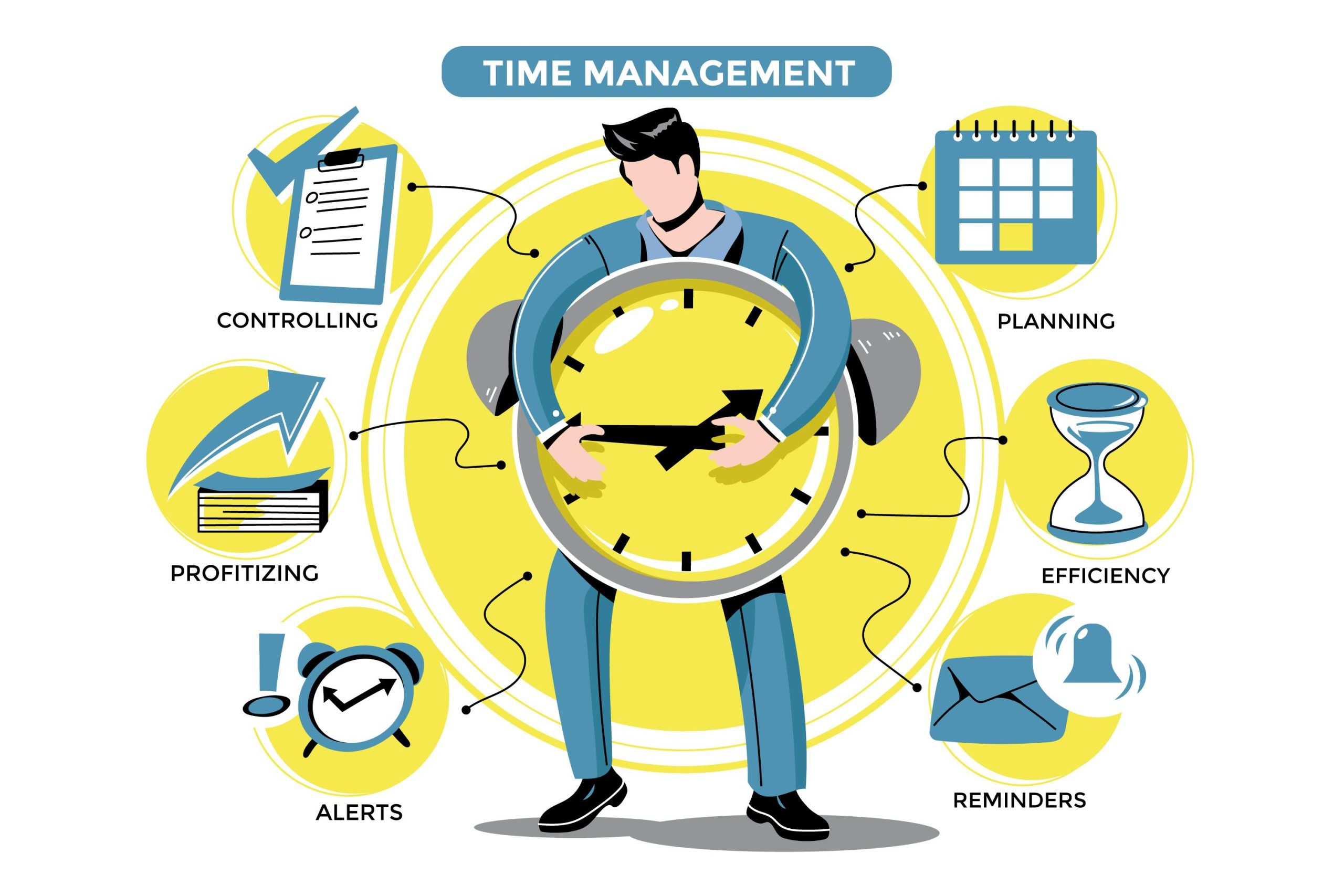
The 15-Minute Rule
Start with just 15 minutes daily for hobby development to prevent overwhelm while establishing consistent habits. Use hobby activities as study breaks, connect projects to academic assignments when possible, and schedule demanding hobbies during low-stress periods.
Progressive Skill Building
Foundation Building (Months 1-3): Focus on basic skill acquisition, emphasize consistency over intensity, seek beginner-friendly resources.
Skill Expansion (Months 4-9): Increase complexity, connect with experienced practitioners, participate in competitions.
Mastery and Teaching (Months 10+): Develop specialized expertise, contribute to community knowledge, mentor beginners.
Overcoming Common Challenges
Time Constraints: Integrate hobbies with academic work, use micro-learning approaches, choose stress-relieving activities, prioritize during breaks.
Financial Limitations: Start with free online resources, seek student discounts, choose minimal-cost activities, gradually invest in equipment.
Social Isolation: Join online communities, participate in university clubs, attend local meetups, consider teaching others.
Maintaining Motivation: Set realistic goals, track progress visually, connect to larger objectives, build accountability through communities.
Long-Term Benefits and Future-Proofing
Strategic hobby development enhances academic performance through improved time management, creativity, stress management, and motivation. Career advancement opportunities include distinctive qualifications, demonstrated initiative, valuable networks, and transferable skills complementing academic credentials.
Personal growth benefits encompass stronger identity, increased resilience, broader cultural understanding, and enhanced work-life balance preparation. Future-proof choices include sustainability projects, global communication skills, and health technology development.
Conclusion: Your Strategic Path Forward
The hobbies you choose today shape both immediate academic experience and long-term career prospects. By selecting activities aligning with goals, complementing academic work, and addressing personal development needs, you create success foundations extending far beyond graduation.
Start small, be consistent, and remain open to opportunities. The skills, connections, and experiences gained through strategic hobby engagement serve as valuable lifelong assets. Take action today by selecting one hobby from this guide that resonates with your interests and goals. Commit 15 minutes today to exploring that activity—whether coding, sketching, or planning volunteer work—and begin building the balanced, successful student life you deserve.
Ready to optimize your UK student experience? Student Tenant specializes in connecting international students with accommodation that supports their academic and personal goals. Our platform offers verified properties, transparent pricing, and dedicated support throughout your tenancy.
Take action today: Browse our extensive selection of student accommodation across the UK, from purpose-built student housing to carefully vetted private rentals. Our expert team understands the unique challenges international students face and can help you find housing that enhances rather than complicates your time management efforts.
Book your free consultation with Student Tenant today and discover how the right accommodation choice can transform your entire UK university experience. Your future self will thank you for making this investment in your success.







Post Comment