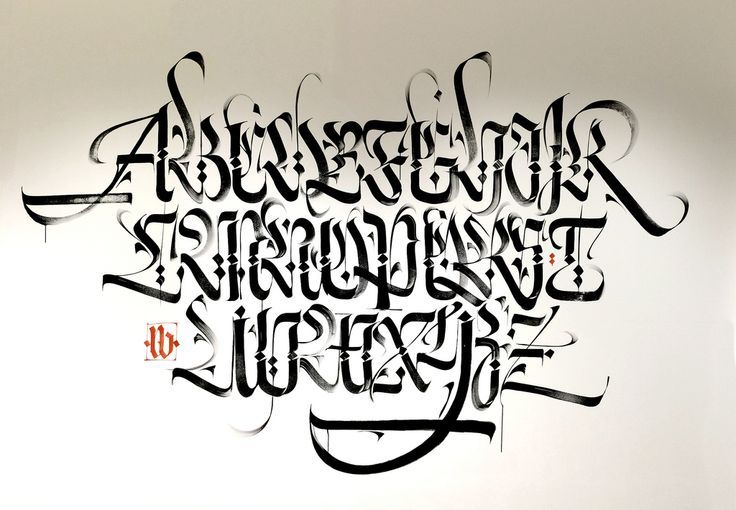
El Seed Calligraphy and Arabic Calligraphy in Arabic
Calligraphy is more than just writing—it is an artistic expression that reflects culture, history, and identity. Among the many forms of calligraphy, El Seed calligraphy has gained international recognition for its fusion of traditional Arabic script with modern artistic elements. His unique approach has brought new life to Arabic calligraphy in Arabic, making it a contemporary art form with global appeal.
This article explores the origins, styles, and significance of Arabic calligraphy while diving deep into El Seed calligraphy, its impact, and how it continues to shape modern art.
The Essence of Arabic Calligraphy
What is Arabic Calligraphy?
Arabic calligraphy in Arabic is known as “فن الخط العربي” (Fan Al-Khatt Al-Arabi). It is the artistic practice of writing Arabic script in a stylized and decorative manner. This art form has been deeply connected to Islamic culture, literature, and architecture for centuries.
Historical Evolution of Arabic Calligraphy
Arabic calligraphy dates back to the 7th century when it was primarily used for transcribing the Quran. Over time, it evolved into various scripts, each serving different purposes in religious texts, official documents, and artistic expression.
Importance of Arabic Calligraphy
- Cultural Identity: Arabic calligraphy represents the artistic and linguistic heritage of the Arab world.
- Spiritual Significance: It has been used extensively in Islamic art, especially for Quranic verses.
- Aesthetic Appeal: The fluidity of Arabic script allows for stunning artistic compositions.
Types of Arabic Calligraphy Styles
Over the centuries, Arabic calligraphy has developed into various styles, each with distinct characteristics.
1. Kufic Calligraphy
- The oldest form of Arabic calligraphy, used in early Quranic manuscripts.
- Characterized by bold, angular letters with geometric precision.
2. Naskh Calligraphy
- A highly legible script widely used for book writing.
- Features smooth curves and balanced proportions.
3. Thuluth Calligraphy
- Recognized for its large, fluid letters with elegant curves.
- Commonly used in mosque decorations and architectural inscriptions.
4. Diwani Calligraphy
- Developed during the Ottoman period for royal decrees.
- Known for its intricate and decorative loops.
5. Ruqʿah Calligraphy
- A simple, easy-to-write script used in everyday handwriting.
- Commonly used for official documents in Arabic-speaking countries.
6. Maghrebi Calligraphy
- A regional style from North Africa with unique letterforms.
- Typically used in Quranic manuscripts from Morocco and Algeria.
Each of these styles has contributed to the rich tapestry of Arabic calligraphy in Arabic, preserving its elegance and historical significance.
Who is El Seed?
The Journey of El Seed Calligraphy
El Seed is a French-Tunisian artist known for blending Arabic calligraphy with contemporary street art. His vibrant murals and large-scale artworks have brought new dimensions to Arabic calligraphy in Arabic, transforming it into a form of modern expression.
Early Life and Inspiration
Born in 1981 in France to Tunisian parents, El Seed grew up surrounded by both Western and Arab cultures. His passion for calligraphy emerged as he explored his Arabic heritage, leading him to develop his unique style.
What Makes El Seed Calligraphy Unique?
- Fusion of Tradition and Modernity: His art combines classical Arabic scripts with street art influences.
- Social and Political Messages: Many of his works address global issues, such as unity, identity, and social justice.
- Public Engagement: His murals are designed to interact with communities, inspiring conversations and connections.
Famous Works of El Seed Calligraphy
El Seed’s masterpieces can be found across multiple continents, each telling a unique story through Arabic script.
1. “Perception” – Cairo, Egypt
- A large-scale mural spanning 50 buildings in Manshiyat Naser, a neighborhood known as “Garbage City.”
- The calligraphy, when viewed from a distance, reads:
“If one wants to see the light, he must break through the walls.”
2. “The Bridge” – South Korea
- A stunning mural on the DMZ border, symbolizing peace and unity.
- Uses poetic Arabic script to promote harmony between North and South Korea.
3. “Lost Walls” – Tunisia
- A project where El Seed traveled across Tunisia, painting forgotten village walls with Arabic calligraphy.
- Aimed at reviving cultural identity and reconnecting communities with their heritage.
4. “Mirrors of Babel” – Dubai, UAE
- A futuristic installation representing the connection between cultures and languages.
- Showcases the elegance of Arabic calligraphy in Arabic through mirrored surfaces.
5. “Declaration” – New York, USA
- A large-scale Arabic calligraphy piece displayed at the United Nations headquarters.
- Highlights themes of global unity and cultural exchange.
The Impact of El Seed Calligraphy on Modern Art
El Seed has revolutionized the perception of Arabic calligraphy in Arabic, proving that traditional art forms can have a place in contemporary settings.
1. Calligraffiti Movement
- Combines Arabic calligraphy with graffiti-style art.
- Popularized by artists like El Seed, this movement bridges classical and modern aesthetics.
2. Influence on Architecture
- Many architects now incorporate Arabic calligraphy into building facades and interior designs.
- El Seed’s works have inspired modern Islamic architecture.
3. Digital Arabic Calligraphy
- With the rise of technology, digital adaptations of El Seed calligraphy have emerged in branding and design.
4. Educational Programs
- El Seed has conducted workshops and lectures to educate younger generations about Arabic calligraphy.
How to Learn Arabic Calligraphy?
Interested in mastering Arabic calligraphy in Arabic? Here’s how you can get started.
1. Choose the Right Tools
- Traditional reed pens (Qalam) or modern brush pens.
- High-quality ink and calligraphy paper.
2. Study Calligraphy Styles
- Start with Naskh or Ruqʿah, then progress to complex scripts like Thuluth.
3. Practice Basic Strokes
- Focus on thick and thin strokes to achieve proper letterforms.
4. Enroll in Calligraphy Courses
- Many online platforms offer professional Arabic calligraphy courses.
5. Follow Calligraphy Artists
- Studying the works of El Seed calligraphy can provide creative inspiration.
FAQs About Arabic Calligraphy and El Seed
1. What is special about El Seed calligraphy?
It blends classical Arabic scripts with modern graffiti influences.
2. What is Arabic calligraphy called in Arabic?
It is known as “فن الخط العربي” (Fan Al-Khatt Al-Arabi).
3. What are the main types of Arabic calligraphy?
Kufic, Naskh, Thuluth, Diwani, Ruqʿah, and Maghrebi.
4. What materials are used in Arabic calligraphy?
Reed pens (Qalam), ink, and high-quality paper.
5. What is Calligraffiti?
A fusion of calligraphy and graffiti, pioneered by artists like El Seed.
6. How does El Seed promote Arabic calligraphy?
Through large-scale murals, exhibitions, and community projects.
7. Can I learn Arabic calligraphy online?
Yes, many platforms offer Arabic calligraphy courses.
Conclusion
Arabic calligraphy is a timeless art form, and El Seed calligraphy has redefined its role in contemporary art. By merging traditional Arabic scripts with modern influences, El Seed has brought new appreciation to Arabic calligraphy in Arabic, making it accessible and relevant worldwide.




Post Comment