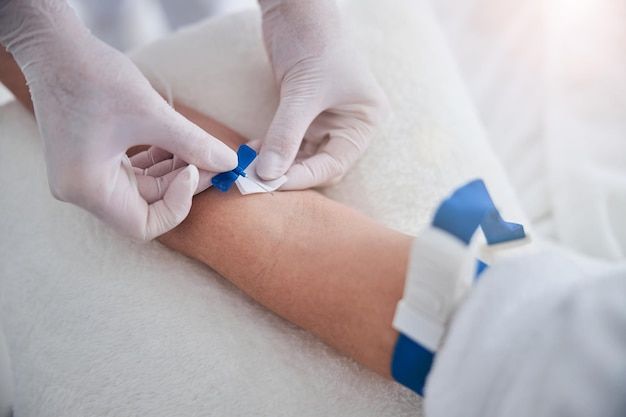
Do Vitamin D Tests at home Really Work for Accurate Results
Vitamin D is essential for strong bones, immunity, and overall well-being. Yet, millions of people worldwide unknowingly suffer from vitamin D deficiency. Modern lifestyles often limit sun exposure, while diets may not provide enough of this vital nutrient. As awareness grows, many people have turned to convenient testing options, especially home test kits, to check their vitamin D levels. But the big question remains: Do these tests really work? Can they deliver reliable results you can trust without leaving your home? The rise of home-based health testing has made it easier for people to monitor various aspects of their health. If you’ve been wondering whether Vitamin D Tests at Home in Dubai are worth it, this article will guide you through everything you need to know. We’ll explore how these tests work, their accuracy, benefits, and limitations so you can make an informed decision about your health.
What Is Vitamin D and Why Does It Matter
Vitamin D is often called the “sunshine vitamin” because your skin produces it naturally when exposed to sunlight. It plays a major role in several body functions, including calcium absorption, bone health, muscle function, mood regulation, and immune support. Low levels of vitamin D can lead to fatigue, weak bones, frequent illness, hair loss, and even mood changes. Since vitamin D deficiency can go unnoticed for long periods, testing is essential to maintain optimal levels.
Why People Prefer Home Testing
Going to a lab or health center for a test can be time-consuming. Home test kits offer a convenient alternative, especially for people with busy schedules or those who prefer privacy. Instead of waiting in lines or booking appointments, users can order a test online, collect a sample at home, and send it to a certified lab. The simplicity of the process is what makes home testing attractive.
How Do Vitamin D Home Tests Work
Most home test kits are designed to measure levels of 25-hydroxyvitamin D, or 25(OH)D, which is the best indicator of vitamin D status in the body. The process usually includes:
-
Ordering a test kit.
-
Following step-by-step instructions to collect a small blood sample, usually via a finger prick.
-
Placing the sample on a test card or into a tiny tube.
-
Mailing the sample back to a lab in pre-paid packaging.
-
Receiving your results online or via email within a few days.
This testing process uses similar laboratory methods as traditional testing, and many kits follow established quality control standards. The main difference is who collects the sample—you do it yourself instead of a technician.
Are Vitamin D Home Tests Accurate
Accuracy is one of the most important things people worry about. Based on research and product comparisons, most high-quality home test kits are reasonably accurate as long as the instructions are followed carefully. The technology used in lab analysis is often the same as conventional testing methods. However, common mistakes during sample collection—such as contamination or insufficient blood—can affect results. That means accuracy depends partly on the user.
Benefits of Testing Vitamin D Levels at Home
Convenience
No need to visit a testing center. Everything from sample collection to result delivery happens from home.
Privacy
If you value confidentiality, home testing gives you full control over your personal health information.
Easy Monitoring
You can check your vitamin D levels regularly to see if they improve over time, especially if you take supplements or change your diet.
Fast Results
Many home kits deliver results within a few days, allowing you to take quicker action if needed.

Limitations of Home Testing
Home testing is useful, but it has some limitations:
-
Results can vary slightly due to improper sample collection.
-
Some kits may not include clear explanations of results.
-
External factors such as room temperature during sample storage can impact quality.
-
Results alone do not explain why levels may be low.
Understanding both benefits and limitations helps you decide whether home tests fit your lifestyle.
Signs You May Need a Vitamin D Test
You might consider testing your vitamin D levels if you experience:
-
Frequent tiredness or low energy
-
Lower mood or irritability
-
Muscle aches or joint pain
-
Weak immunity
-
Bone discomfort
-
Hair thinning
-
Limited exposure to sunlight
-
A diet low in vitamin D-rich foods
These signs don’t always mean deficiency, but they make testing a smart step toward better health awareness.
Interpreting Your Test Results
Home test results usually fall into one of three ranges:
-
Low levels: Suggest deficiency, meaning your body may not be getting enough vitamin D.
-
Optimal levels: Indicate that your vitamin D status is healthy.
-
High levels: Show excessive intake, often caused by over-supplementation.
If your results are low, you may consider lifestyle changes like increased sunlight exposure, dietary improvements, or supplements after personal evaluation. If results are high, reducing supplementation may be necessary.
Factors That Affect Vitamin D Levels
It’s helpful to understand what influences vitamin D so you can maintain healthy levels:
-
Sunlight exposure: People who spend little time outdoors are at higher risk.
-
Skin tone: Individuals with darker skin may produce less vitamin D from sunlight.
-
Age: The body produces less vitamin D with age.
-
Diet: Low intake of fish, eggs, or fortified foods can contribute to deficiency.
-
Lifestyle: Staying indoors or using strong sun protection daily limits vitamin D production.
Home Testing vs Lab Testing
Many people wonder which option is better. Both are useful depending on your needs:
| Feature | Home Test | Lab Test |
|---|---|---|
| Convenience | Excellent | Moderate |
| Accuracy | Good with proper use | High |
| Privacy | High | Moderate |
| Effort | Low | Medium |
| Monitoring | Easy repeat testing | Requires appointments |
Home tests are ideal for regular self-monitoring, while traditional lab tests may suit people looking for detailed health panels.
How to Choose a Reliable Home Test Kit
When selecting a home test kit, consider these factors:
-
Clear instructions
-
Certified laboratory analysis
-
Secure result delivery
-
Good user reviews
-
Accuracy information provided
Choosing a trusted brand ensures better reliability and improved user experience.
Improving Your Vitamin D Levels Naturally
Here are simple ways to boost vitamin D naturally:
-
Spend 10–20 minutes in sunlight regularly
-
Include foods like salmon, tuna, egg yolks, and fortified milk
-
Stay active outdoors
-
Maintain a balanced lifestyle
Most people find that combining healthy habits with occasional testing keeps their vitamin D levels within a healthy range.
Are Home Tests Worth It
If you want control over your health and prefer convenient testing, home vitamin D kits are a practical option. They are especially useful for people who avoid unnecessary appointments or travel. Results are usually accurate when the sample is collected correctly. They provide valuable insights and help you understand your body better.
Final Thoughts
Home testing has transformed the way people manage their health. It offers efficiency, privacy, and accessibility. When used correctly, these kits provide meaningful insights about your vitamin D levels. While no test is perfect, reliable home test kits are a helpful tool in monitoring wellness. If your goal is to stay informed and proactive about your health, then adding Vitamin D Tests at Home Dubai to your routine is a simple and effective step. Regular testing lets you track progress, adjust lifestyle habits, and stay in control of your well-being with confidence.






Post Comment