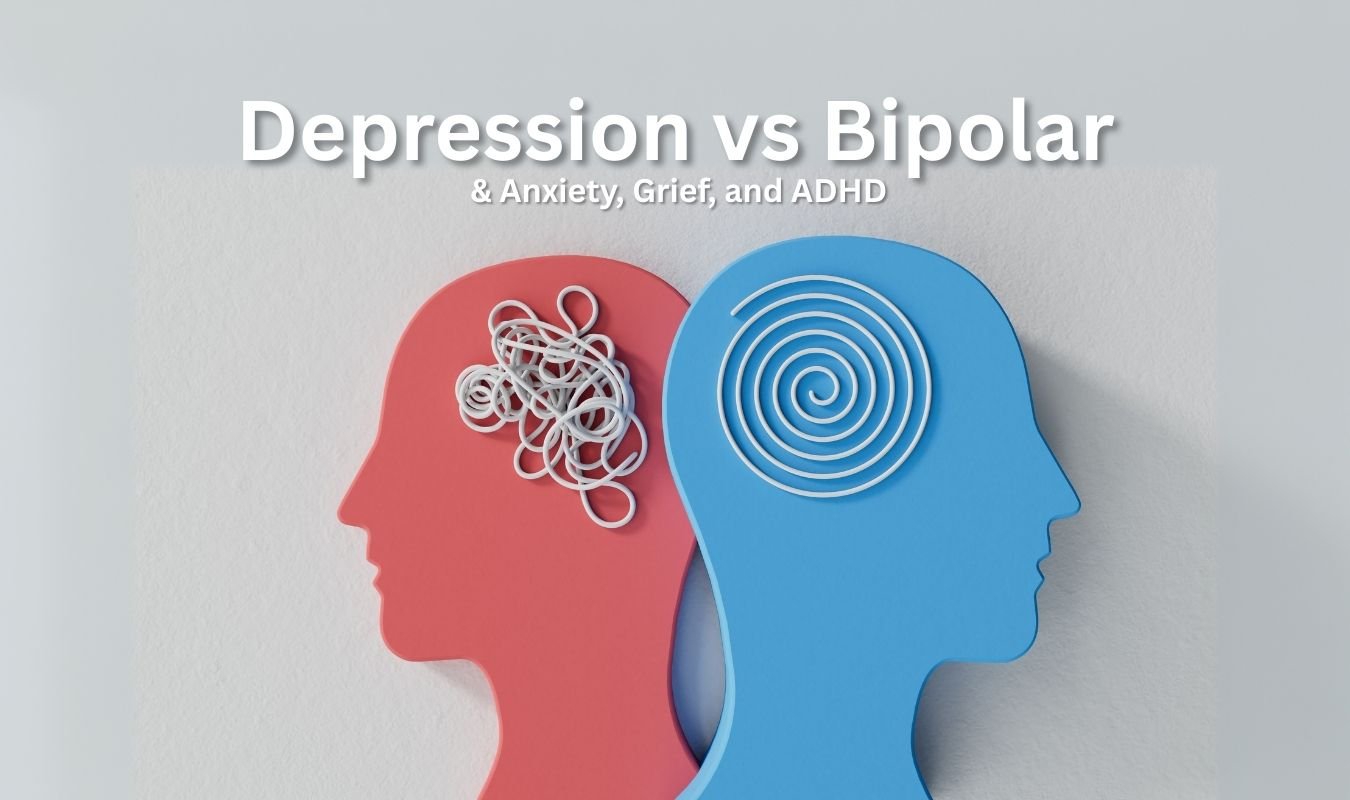
Depression vs Bipolar Disorder: Not All Mood Changes Are the Same
When we talk about mental health, one of the most common misunderstandings is between depression vs bipolar disorder. While both involve changes in mood, energy, and everyday functioning, they are very different conditions. Understanding the difference is crucial—not just for those who are affected, but also for their loved ones who want to help.
Let’s take a closer, more human look at what sets these two apart and how Evolve Psychiatry is helping people find the right care, not just quick fixes.
Understanding Depression: More Than Just Feeling Sad
We all have bad days. But depression isn’t just a passing sadness—it’s a persistent, heavy feeling that doesn’t just go away. It affects how a person thinks, feels, and handles daily activities.
People with depression may:
-
Feel hopeless or empty most of the day
-
Lose interest in things they once enjoyed
-
Struggle with sleep or sleep too much
-
Have little to no energy
-
Feel worthless or overly guilty
-
Experience changes in appetite or weight
It’s important to remember: Depression isn’t weakness, laziness, or a bad attitude. It’s a medical condition that deserves real support and proper treatment.
At Evolve Psychiatry, patients aren’t just given medication and sent on their way. They’re guided through a personalized path that addresses both emotional and biological causes of depression.
What Is Bipolar Disorder? More Than Just Mood Swings
Bipolar disorder, on the other hand, involves extreme mood changes—not just low moods like depression, but also periods of unusually high energy and activity called mania (or hypomania, a milder version).
There are different types of bipolar disorder, but common signs of manic episodes include:
-
Feeling overly happy or “high” for long periods
-
Talking very fast, jumping from one idea to the next
-
Feeling extremely energetic or restless
-
Making risky decisions, like spending too much money or driving recklessly
-
Having trouble sleeping—but not feeling tired
These episodes are not just “good moods” or bursts of energy. Mania can be dangerous and often leads to problems at work, in relationships, and in managing daily responsibilities.
What makes depression vs bipolar even more confusing is that bipolar disorder also includes depressive episodes. This overlap is one reason why bipolar disorder is often misdiagnosed as depression.
But the right diagnosis matters. Treating bipolar disorder as depression alone can actually make things worse. That’s why a careful evaluation by mental health experts—like those at Evolve Psychiatry—is so important.
Depression vs Bipolar: Key Differences
Let’s break down the major differences to help make sense of it:
| Feature | Depression | Bipolar Disorder |
|---|---|---|
| Mood changes | Mostly low or flat | High (mania) and low (depression) |
| Energy levels | Low, tired, fatigued | High during mania, low during depression |
| Thought patterns | Slow thinking, self-blame | Racing thoughts in mania; self-blame in depression |
| Risky behavior | Rare | Common during mania |
| Sleep | Trouble sleeping or oversleeping | Very little sleep during mania without feeling tired |
| Diagnosis age | Can start at any age | Often starts in late teens to early adulthood |
Recognizing these patterns takes time, awareness, and expert care. Misdiagnosis can delay treatment and leave individuals feeling misunderstood or frustrated.
Why Early Diagnosis Matters
When it comes to Depression vs Bipolar Disorder, catching the difference early can change someone’s entire future. With the right support system, people can learn how to manage symptoms, rebuild relationships, and regain control over their lives.
At Evolve Psychiatry, the focus is on doing more than just labeling a condition. Their team listens, observes, and takes action with care. Whether it’s therapy, medication, or holistic strategies, they help patients build strength from the inside out.
Real People, Real Struggles, Real Solutions
Take Sarah, for example—a young professional who thought she had depression. She felt down for months, lost interest in her work, and couldn’t sleep. But every few months, she’d feel a sudden burst of energy. She’d stay up all night planning business ideas or shopping online. It felt great—until it crashed into days of shame and exhaustion.
When she finally reached out to Evolve Psychiatry, she was correctly diagnosed with bipolar II disorder. Through careful therapy, medication, and support, Sarah learned how to manage her cycles. Today, she feels more in control—and more like herself.
Her story is not unique. But it’s a powerful reminder that getting the right help can truly change a life.
Take the First Step with Evolve Psychiatry
Whether you’re struggling yourself or supporting someone who is, don’t rely on guesswork or internet searches alone. When it comes to depression vs bipolar, only a skilled professional can spot the difference and guide you forward.
The good news? Help is closer than you think.
Evolve Psychiatry is here to walk with you—not just to treat symptoms, but to understand your story, listen without judgment, and help you evolve into the healthiest version of yourself.
Final Thoughts
Mood disorders are complex, but you don’t have to navigate them alone. The key is understanding. And understanding leads to healing.
If you’ve been wondering about depression vs bipolar, or if something just doesn’t feel “right,” it’s time to act. Reach out, ask questions, and take that brave first step.
Because not all mood changes are the same—and with the right help, you don’t have to stay stuck in the dark.
Let Evolve Psychiatry help you find the light.






Post Comment