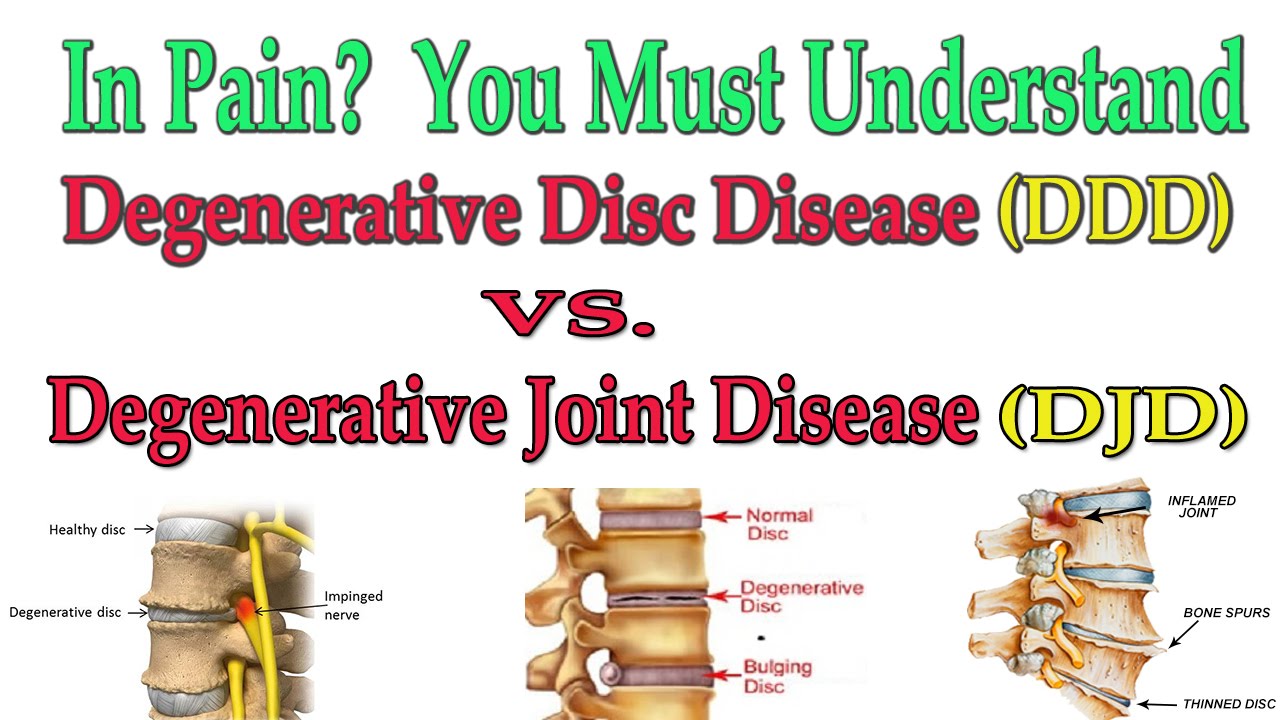
Degenerative Joint Disease ICD-10 Code: Complete Guide
Degenerative joint disease icd 10 code, commonly known as osteoarthritis, is one of the most frequent chronic musculoskeletal disorders worldwide. It is characterized by the gradual breakdown of cartilage, leading to pain, stiffness, swelling, and reduced joint mobility. Because of its prevalence and clinical importance, correct medical documentation and coding are essential.
The ICD-10-CM (International Classification of Diseases, 10th Revision, Clinical Modification) system provides precise codes for DJD, ensuring accurate diagnosis, billing, and treatment planning.
This article explores DJD in detail, explains the ICD-10 codes used to classify it, and discusses why correct coding is vital in modern healthcare.
What is Degenerative Joint Disease (DJD)?
Degenerative joint disease icd 10 code is a progressive disorder that results from the breakdown of articular cartilage and underlying bone. Over time, the protective cushioning between bones wears away, causing painful friction and joint dysfunction. DJD most often affects:
-
Knees
-
Hips
-
Spine
-
Hands
-
Shoulders
Since DJD is essentially the same condition as osteoarthritis, the terms are often used interchangeably in both clinical and coding contexts.
Symptoms of DJD
Patients with DJD typically present with:
-
Persistent joint pain (worsens with movement, improves with rest).
-
Morning stiffness, usually lasting less than 30 minutes.
-
Crepitus (cracking/grinding sounds during movement).
-
Reduced range of motion.
-
Joint swelling and tenderness.
-
Progressive functional limitations and disability.
Causes and Risk Factors
DJD does not result from a single cause but develops due to a combination of biological and mechanical factors.
-
Aging: Wear and tear over time.
-
Obesity: Increased stress on weight-bearing joints.
-
Injury or trauma: Sports injuries or accidents may accelerate cartilage damage.
-
Genetics: Family history increases risk.
-
Repetitive use: Occupations involving heavy lifting, kneeling, or repetitive motions.
-
Inflammation: Chronic low-level inflammation may worsen progression.
ICD-10 Coding System Overview
The ICD-10-CM system is a globally recognized classification for diseases and conditions. For Degenerative Joint Disease, codes fall within the M15–M19 block, which covers osteoarthritis in different forms and locations.
ICD-10 Codes for Degenerative Joint Disease (Osteoarthritis)
Here’s a breakdown of the major ICD-10 codes used for DJD:
1. Generalized Osteoarthritis (M15)
-
M15.0 – Primary generalized osteoarthritis.
-
M15.9 – Osteoarthritis, unspecified (generalized).
2. Osteoarthritis of the Hip (M16)
-
M16.0 – Bilateral primary osteoarthritis of hip.
-
M16.1 – Unilateral primary osteoarthritis of hip.
-
M16.2 – M16.7 – Secondary or post-traumatic osteoarthritis of hip.
-
M16.9 – Osteoarthritis of hip, unspecified.
3. Osteoarthritis of the Knee (M17)
-
M17.0 – Bilateral primary osteoarthritis of knee.
-
M17.1 – Unilateral primary osteoarthritis of knee.
-
M17.2 – M17.5 – Variations for secondary or post-traumatic OA of knee.
-
M17.9 – Osteoarthritis of knee, unspecified.
4. Osteoarthritis of the First Carpometacarpal Joint (M18)
-
M18.0 – Bilateral primary OA of first carpometacarpal joint.
-
M18.1 – Unilateral primary OA of first carpometacarpal joint.
-
M18.9 – Unspecified osteoarthritis of first carpometacarpal joint.
5. Other and Unspecified Osteoarthritis (M19)
-
M19.0 – Primary osteoarthritis of other joints.
-
M19.1 – Post-traumatic osteoarthritis of other joints.
-
M19.9 – Osteoarthritis, unspecified site.
👉 In summary, the most commonly used ICD-10 code for DJD (unspecified site) is M19.90 – Unspecified osteoarthritis, unspecified site.
Importance of Accurate Coding
Using the correct ICD-10 code for DJD is important for several reasons:
-
Insurance and Billing
-
Ensures reimbursement for diagnostic tests, medications, physical therapy, and surgical interventions.
-
-
Clinical Management
-
Helps providers track disease progression and target specific treatment plans.
-
-
Public Health and Research
-
Facilitates data collection for epidemiological studies, health statistics, and resource allocation.
-
-
Medical Records Accuracy
-
Provides a standardized way to document patient history.
-
Real-World Coding Examples
-
A patient with bilateral primary DJD of the knees:
M17.0 – Bilateral primary osteoarthritis of knee. -
A patient with post-traumatic DJD of the right hip:
M16.6 – Unilateral post-traumatic osteoarthritis of hip. -
A patient with generalized DJD affecting multiple joints:
M15.0 – Primary generalized osteoarthritis. -
A patient with unspecified DJD location:
M19.90 – Unspecified osteoarthritis, unspecified site.
Management and Treatment of DJD
While DJD cannot be cured, treatment focuses on pain relief, mobility improvement, and slowing progression.
1. Lifestyle Modifications
-
Weight reduction to decrease joint stress.
-
Low-impact exercise (walking, cycling, swimming).
-
Healthy anti-inflammatory diet.
2. Medications
-
NSAIDs (ibuprofen, naproxen).
-
Acetaminophen for pain relief.
-
Corticosteroid or hyaluronic acid injections.
3. Physical Therapy
-
Strengthening exercises for muscles around joints.
-
Flexibility and balance training.
4. Assistive Devices
-
Braces, canes, or orthotics for support.
5. Surgery
-
Joint replacement (hip/knee arthroplasty).
-
Arthroscopy for cleaning damaged cartilage.
Global Impact of DJD
According to the World Health Organization (WHO):
-
More than 500 million people worldwide suffer from osteoarthritis/DJD.
-
It is a leading cause of disability in older adults.
-
By 2050, cases are expected to rise dramatically due to aging populations and obesity.
Key Takeaways
-
Degenerative Joint Disease (DJD) is the same as osteoarthritis, a progressive condition that damages cartilage and bones.
-
ICD-10 codes for DJD fall within M15–M19, depending on the location and type of osteoarthritis.
-
The most common general code is M19.90 – Unspecified osteoarthritis, unspecified site.
-
Accurate coding improves insurance claims, treatment planning, medical research, and patient records.
-
Management includes lifestyle changes, medications, therapy, and surgery for severe cases.
Final Thoughts
Degenerative joint disease icd 10 code is one of the most widespread chronic health conditions, significantly affecting mobility and quality of life. The use of ICD-10 codes ensures accurate documentation and streamlines healthcare processes, from diagnosis to reimbursement.
By applying the correct DJD ICD-10 code, healthcare providers can deliver better care, insurance companies can process claims effectively, and researchers can track disease trends to improve public health strategies.-








Post Comment