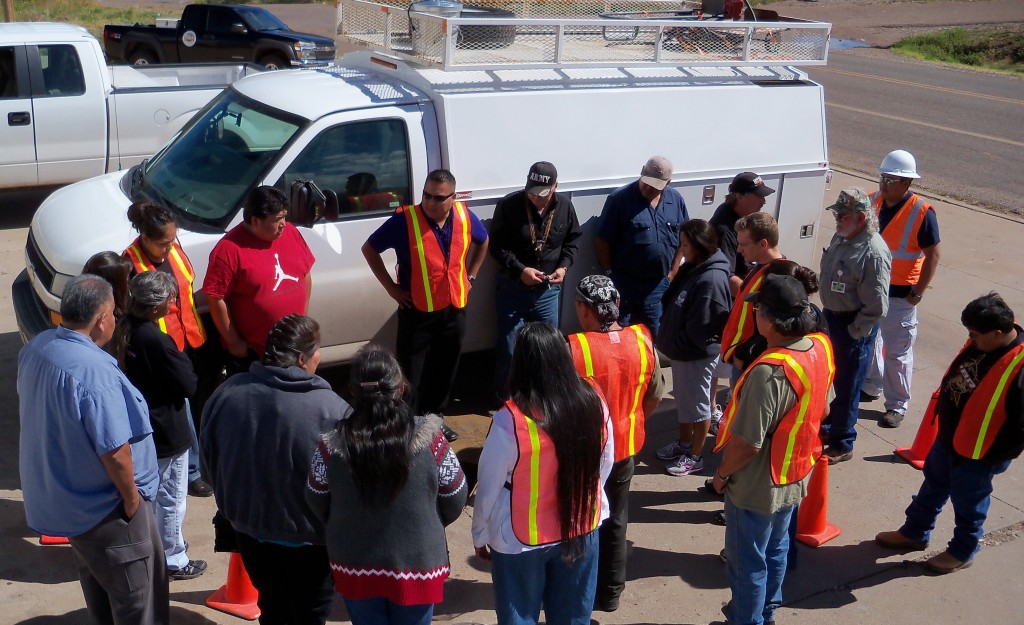
Creating Emergency Response Plans for Fleet Businesses
The moment a fleet vehicle becomes involved in an emergency situation, every second counts toward protecting lives, minimizing damage, and preserving business operations. Yet most fleet managers operate without comprehensive emergency response plans, leaving their organizations vulnerable to cascading failures that can destroy reputations, drain resources, and compromise safety standards. The complexity of modern fleet operations demands sophisticated emergency preparedness that goes far beyond basic incident reporting procedures.
Fleet emergencies rarely occur in isolation. A single vehicle breakdown can trigger traffic delays, missed deliveries, customer complaints, and regulatory scrutiny. When emergencies involve accidents, weather events, or security threats, the ripple effects can impact entire operational networks. The interconnected nature of modern supply chains means that fleet emergencies often affect multiple stakeholders, creating complex scenarios that require coordinated responses across organizational boundaries.
The most effective emergency response plans recognize that fleet businesses operate in dynamic environments where threats constantly evolve. Cyber attacks on fleet management systems, extreme weather events, pandemic-related disruptions, and infrastructure failures represent just a few of the challenges that contemporary fleet operations must navigate. Emergency preparedness requires anticipating these diverse threats while maintaining operational flexibility that allows for adaptation to unexpected scenarios.
Rapid Decision-Making Frameworks Under Pressure
Emergency situations compress decision-making timelines while amplifying the consequences of poor choices. Fleet managers must develop structured decision-making frameworks that enable rapid assessment of situations, clear identification of priorities, and efficient allocation of resources during crisis periods. These frameworks must account for incomplete information, competing priorities, and the emotional stress that accompanies emergency situations.
The most effective emergency decision-making frameworks establish clear authority structures that eliminate confusion about who makes critical decisions during different types of emergencies. This includes primary decision-makers, backup authorities, and escalation procedures that ensure decisions continue to be made even when key personnel are unavailable. These structures must be simple enough to remember under stress while comprehensive enough to address various emergency scenarios.
Communication protocols within decision-making frameworks ensure that critical information flows quickly to appropriate decision-makers while preventing information overload that can paralyze response efforts. This includes establishing communication hierarchies, preferred communication channels, and backup communication methods that function even when primary systems fail. The goal is creating communication flows that support rapid decision-making without creating bottlenecks or delays.
Stakeholder Coordination During Crisis Moments
Fleet emergencies typically involve multiple stakeholders with different priorities, capabilities, and information needs. Emergency response plans must establish clear coordination mechanisms that enable effective collaboration between internal teams, external partners, customers, regulatory agencies, and emergency services. This coordination becomes particularly complex when emergencies cross jurisdictional boundaries or involve international operations.
Effective stakeholder coordination begins with comprehensive stakeholder mapping that identifies all parties who might be affected by or involved in emergency response efforts. This includes direct stakeholders like employees and customers, as well as indirect stakeholders like suppliers, regulators, and community members. Understanding stakeholder relationships and dependencies enables more effective coordination during actual emergencies.
Pre-established communication protocols with key stakeholders streamline emergency response by eliminating the need to develop communication relationships during crisis situations. This includes contact information, preferred communication methods, and clear understanding of each stakeholder’s role and capabilities during emergency situations. These relationships should be maintained through regular communication and periodic joint exercises.
Communication Strategies That Prevent Panic and Confusion
The way fleet businesses communicate during emergencies significantly impacts the outcomes of those emergencies. Poor communication can escalate minor incidents into major crises, while effective communication can help manage serious situations and maintain stakeholder confidence. Emergency communication strategies must balance transparency with responsibility, providing necessary information without creating unnecessary panic or confusion.
Internal communication during emergencies must ensure that all relevant personnel receive timely, accurate information while preventing rumors and misinformation from spreading throughout the organization. This requires established communication channels, clear messaging protocols, and designated spokespersons who can communicate consistently and authoritatively during crisis situations.
Insurance on a bus incidents and other fleet emergencies often attract public attention and media coverage that can significantly impact business reputation and operations. Emergency communication strategies must include media relations protocols that enable controlled, professional communication with journalists and the public. This includes prepared statements, designated spokespersons, and procedures for managing social media communications during crisis situations.
Resource Allocation When Everything Becomes Urgent
Emergency situations create competing demands for limited resources, requiring fleet managers to make difficult decisions about resource allocation under time pressure. Emergency response plans must establish clear prioritization criteria that guide resource allocation decisions while maintaining flexibility to adapt to specific emergency circumstances.
Resource allocation during emergencies must consider both immediate response needs and longer-term recovery requirements. This includes maintaining reserves for extended emergency situations, establishing partnerships with external resource providers, and developing contingency plans that can function with reduced resource availability. The goal is ensuring that immediate emergency response efforts don’t compromise the organization’s ability to maintain essential operations or recover from the emergency.
Financial resources during emergencies require special consideration, as emergency response often involves unexpected expenses while potentially disrupting normal revenue streams. Emergency response plans should include financial authorization procedures that enable rapid access to necessary funds while maintaining appropriate controls and oversight. This includes pre-approved emergency expenditure limits, relationships with financial institutions, and procedures for documenting emergency-related expenses.
Technology Integration That Functions Under Stress
Modern fleet operations rely heavily on technology systems that may become compromised or unavailable during emergency situations. Emergency response plans must account for technology failures while leveraging available technology to enhance emergency response capabilities. This includes backup systems, alternative communication methods, and manual procedures that can function when primary technology systems fail.
Emergency response technology must be designed for reliability and simplicity, as complex systems often fail during high-stress situations. This includes user-friendly interfaces, robust backup systems, and regular testing to ensure that technology systems function as expected during actual emergencies. The technology should enhance rather than complicate emergency response efforts.
Real-time information sharing during emergencies requires technology systems that can handle increased communication volumes while maintaining security and reliability. This includes fleet tracking systems, communication platforms, and information management systems that can function effectively during emergency situations. These systems must be integrated with broader emergency response procedures to ensure that technology enhances rather than hinders response efforts.
Training Programs That Build Instinctive Responses
Emergency response training must go beyond theoretical knowledge to develop instinctive responses that function effectively under stress. This requires realistic training scenarios that simulate the pressure and complexity of actual emergency situations while providing opportunities for personnel to practice emergency procedures until they become automatic responses.
Scenario-based training allows fleet personnel to experience various emergency situations in controlled environments where mistakes can be learning opportunities rather than catastrophic failures. These training scenarios should reflect the specific risks and challenges that the fleet operation is likely to encounter, including location-specific threats, equipment-specific challenges, and stakeholder-specific requirements.
Cross-training ensures that emergency response capabilities are distributed throughout the organization rather than concentrated in specific individuals who may not be available during actual emergencies. This includes training multiple personnel in critical emergency response roles, ensuring that backup personnel can effectively perform emergency functions, and maintaining updated training records that document personnel capabilities and limitations.
Continuous Improvement Through Post-Emergency Analysis
Every emergency situation provides valuable learning opportunities that can improve future emergency response capabilities. Post-emergency analysis should examine what worked well, what could be improved, and what changes are needed to enhance emergency preparedness. This analysis should involve all stakeholders who participated in the emergency response to ensure comprehensive understanding of the situation.
Documentation of emergency response efforts provides the foundation for effective post-emergency analysis. This includes detailed records of actions taken, decisions made, resources used, and outcomes achieved. This documentation should be created during the emergency response to ensure accuracy and completeness, as memories of emergency situations often become distorted over time.
Regular review and updating of emergency response plans ensures that they remain current and effective as fleet operations evolve. This includes incorporating lessons learned from actual emergencies, updating procedures based on operational changes, and revising plans to address new threats or risks. Emergency response plans should be treated as living documents that evolve with the organization and its operating environment.
Regulatory Compliance During Crisis Situations
Fleet emergencies often trigger regulatory requirements that must be addressed even while managing the immediate emergency situation. Emergency response plans must include procedures for meeting regulatory notification requirements, documentation standards, and compliance obligations that apply during emergency situations. Failure to meet these requirements can result in additional penalties and complications that extend the impact of the original emergency.
Understanding regulatory requirements before emergencies occur enables more effective compliance during actual crisis situations. This includes knowing which agencies must be notified, what information must be provided, and what documentation must be maintained. These requirements vary by jurisdiction, industry, and type of emergency, requiring comprehensive understanding of applicable regulations.
Legal considerations during emergencies include liability issues, insurance requirements, and potential litigation that may arise from emergency situations. Emergency response plans should include procedures for preserving evidence, documenting actions, and communicating with legal counsel when necessary. This legal preparedness can help protect the organization from additional complications that may arise from emergency situations.
Conclusion
Creating comprehensive emergency response plans for fleet businesses requires acknowledging the complex, interconnected nature of modern fleet operations while developing practical procedures that function effectively under stress. The most successful emergency response plans balance thorough preparation with operational flexibility, enabling organizations to respond effectively to diverse emergency scenarios while maintaining essential business functions.
The investment in emergency preparedness pays dividends not only during actual emergencies but also in improved operational resilience, enhanced stakeholder confidence, and better regulatory compliance. Organizations with robust emergency response capabilities often find that their preparedness efforts improve normal operations by clarifying roles, improving communication, and strengthening stakeholder relationships.
As fleet operations continue to evolve and face new challenges, emergency response planning must also evolve to address emerging threats while maintaining focus on fundamental emergency management principles. The goal is creating emergency response capabilities that enable fleet businesses to navigate crisis situations successfully while protecting their people, assets, and operations from both immediate and long-term harm.








Post Comment