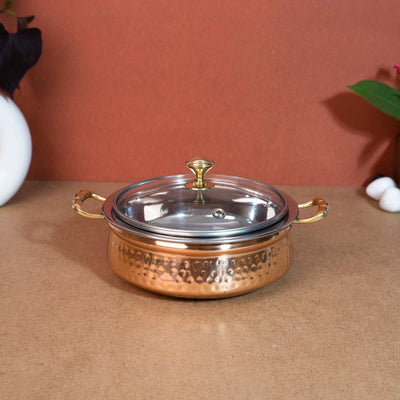
Copper vs. Steel: Which Utensils Are Better for Your Health?
In today’s world, where health and wellness have become a top priority, people are re-evaluating everything—from what they eat to how they cook and even what they store their water in. Among the most debated topics in the kitchen is whether Copper Utensils or stainless steel utensils are better for health. Both have their unique benefits, but when it comes to wellness and tradition, copper often takes the lead. Let’s explore the differences, benefits, and best ways to use both.
Understanding Copper Utensils
Copper has been used in Indian households for centuries. In Ayurveda, drinking and eating from Copper Utensils is believed to balance the body’s three doshas—Vata, Pitta, and Kapha. Copper is not just a metal; it’s a natural trace mineral essential for various bodily functions.
When you store water in a copper bottle, a process called “Oligodynamic Effect” takes place. This means copper ions mix with the water in trace amounts, giving it antimicrobial and anti-inflammatory properties. This ancient practice is now being backed by modern science for its proven health benefits.
Benefits of Using Copper Utensils
- Boosts Immunity
Copper has natural antimicrobial properties that help kill bacteria, fungi, and viruses. Drinking water from a copper bottle daily can strengthen the immune system and protect against common infections. - Improves Digestion
According to Ayurveda, copper helps stimulate the contraction and relaxation of the stomach, aiding digestion. It also helps detoxify the stomach and liver, making nutrient absorption smoother. - Supports Heart Health
Copper helps regulate blood pressure, lowers cholesterol levels, and supports the production of hemoglobin—keeping the heart healthy and active. - Slows Aging and Promotes Skin Glow
Copper plays a key role in the production of collagen, which keeps the skin firm and youthful. Regular use of copper utensils and drinking copper water can help reduce fine lines and wrinkles naturally. - Reduces Joint Pain and Inflammation
The anti-inflammatory properties of copper are known to help in managing arthritis and joint stiffness.
Understanding Stainless Steel Utensils
Stainless steel utensils are popular for their durability, affordability, and low maintenance. They don’t react easily with acidic or alkaline foods, making them ideal for everyday use. However, while they’re convenient, they don’t offer the same health benefits as copper.
Benefits of Using Stainless Steel Utensils
- Durable and Rust-Free
Stainless steel is resistant to corrosion and rust, making it long-lasting and ideal for everyday cooking. - Non-Reactive with Food
Unlike aluminum or uncoated copper, stainless steel doesn’t react with acidic ingredients like lemon, tomato, or vinegar. - Easy to Clean
These utensils require less maintenance compared to Copper Utensils and can withstand regular washing. - Safe for All Types of Cooking
Whether frying, boiling, or steaming, stainless steel works well for most cooking methods.
Copper vs. Steel: A Health Perspective
|
Feature |
Copper Utensils |
Stainless Steel Utensils |
|
Health Benefits |
Rich in minerals, supports immunity, improves digestion, enhances skin health |
Neutral; does not add nutrients |
|
Maintenance |
Needs regular cleaning with lemon/salt to prevent tarnishing |
Easy to maintain and clean |
|
Durability |
Can last long with care, but prone to oxidation |
Extremely durable and rust-free |
|
Usage Type |
Ideal for drinking water and serving food |
Ideal for cooking and storage |
|
Traditional Value |
Rooted in Ayurvedic health practices |
Modern and convenient for daily use |
Best Way to Use Copper Utensils Safely
While copper is beneficial, moderation is key.
- Drink water stored in a copper bottle overnight, preferably early in the morning on an empty stomach.
- Do not cook acidic foods (like tomatoes or lemon-based dishes) in copper vessels, as they can react and form harmful compounds.
- Clean copper utensils naturally using lemon and salt or vinegar once a week to maintain their shine and purity.
- Avoid using chemical detergents or scrubbing pads that can damage the surface.
Final Thoughts
Both copper and stainless steel have their place in a healthy kitchen. Stainless steel is practical and durable for everyday cooking, but Copper Utensils add a unique health advantage that modern materials can’t match. Incorporating copper into your routine—like drinking water from a copper bottle or using copper cups—can significantly improve your overall wellness.
The key is balance: use stainless steel for cooking and copper for water and serving. By blending ancient wisdom with modern convenience, you can enjoy the best of both worlds—better health and a more mindful lifestyle.








Post Comment