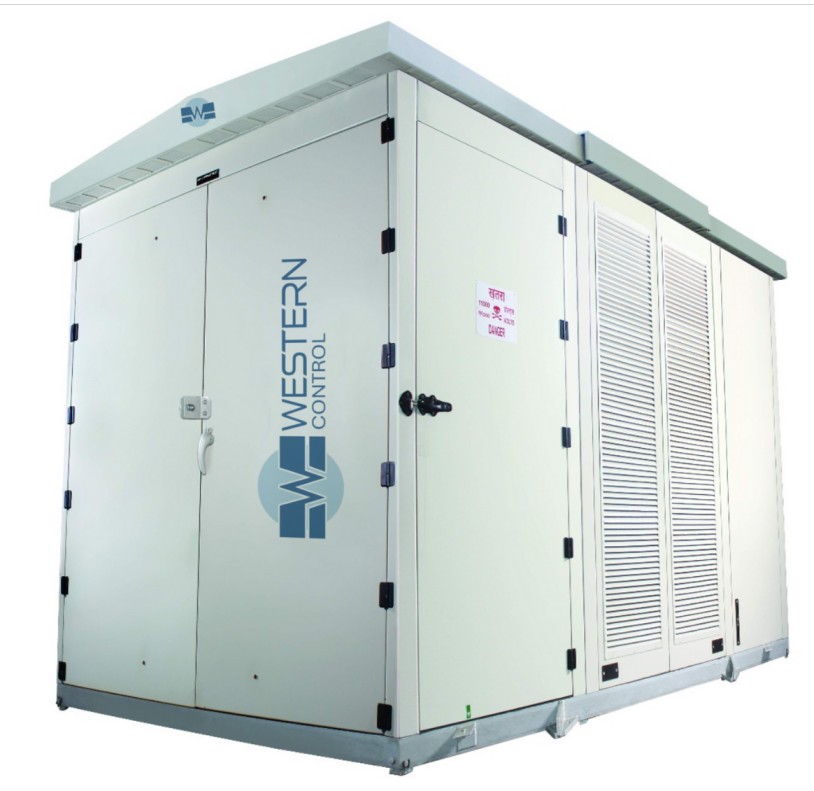
Compact Substation: A Modern Solution for Safe and Efficient Power Distribution
In the evolving world of power distribution, the demand for safe, efficient, and space-saving solutions has grown tremendously. One such innovation that has transformed electrical infrastructure across industries, commercial buildings, and urban projects is the Compact Substation. Known for its modular design, advanced safety features, and cost-effectiveness, it is rapidly replacing traditional substations in various applications.
This article explores the meaning, features, advantages, and applications of Compact Substations, while also highlighting their role in shaping the future of power distribution.
What is a Compact Substation?
A Compact Substation is a fully integrated electrical distribution unit that combines several essential components—such as a transformer, medium voltage switchgear, and low-voltage panel—into a single, enclosed, factory-built structure. Unlike conventional substations, which require large spaces and multiple installations, compact substations provide an all-in-one solution.
Designed to handle medium- and low-voltage requirements, these substations are used to step down high-voltage power into usable levels for industries, commercial complexes, hospitals, and residential areas. Their robust enclosure ensures safety, while the plug-and-play model makes them easy to install and operate.
Key Features of Compact Substation
Modern Compact Substations come with advanced features that make them highly reliable:
-
Compact Design: Occupies minimum floor space compared to traditional substations.
-
Factory-Assembled Unit: Delivered as a pre-engineered and pre-tested unit, reducing installation time.
-
High Safety Standards: Equipped with fire-resistant enclosures, internal arc protection, and earthing systems.
-
Weather-Proof Housing: Designed for outdoor installations, capable of withstanding harsh climates.
-
Low Maintenance: With enclosed parts and modular systems, maintenance requirements are minimal.
-
Scalability: Can be easily integrated with expanding load requirements.
Advantages of Compact Substation
Compact Substations are gaining popularity due to the wide range of benefits they offer:
-
Space Efficiency
Unlike conventional substations that need large areas, compact substations occupy significantly less space, making them ideal for urban and industrial environments. -
Reduced Installation Time
Being prefabricated, these substations require minimal assembly at the site, reducing downtime and speeding up commissioning. -
Enhanced Safety
The enclosed design minimizes risks of fire, electrical shocks, or accidental contact, ensuring maximum safety for both operators and equipment. -
Cost-Effective
Though the upfront investment may be slightly higher, long-term savings in installation, maintenance, and energy efficiency make them economical. -
Flexibility in Application
Compact Substations can be installed both indoors and outdoors, offering versatility across industries, residential projects, and infrastructure developments.
Applications of Compact Substation
Compact Substations are widely used in industries, commercial spaces, and public infrastructure. Some common applications include:
-
Industrial Facilities: To power machinery and heavy equipment.
-
Commercial Buildings: For efficient distribution of electricity across multiple floors.
-
Hospitals: Ensuring continuous and safe power supply to critical medical equipment.
-
Residential Complexes: Providing reliable electricity in high-density areas.
-
Renewable Energy Projects: Acting as an efficient interface between solar/wind farms and the main grid.
-
Urban Infrastructure: Used in metros, airports, and railways where space is limited.
Integration with Bus Bar Trunking
One of the most significant aspects of Compact Substations is their compatibility with modern power distribution systems like Bus Bar Trunking. By combining both systems, industries can achieve seamless power flow, reduced energy losses, and enhanced operational safety. For large factories and data centers, this integration ensures efficient load management while keeping infrastructure compact and organized.
Role of Compact Substations in Modern Infrastructure
As urbanization accelerates and industries adopt automation, the demand for uninterrupted and reliable power supply continues to grow. Compact Substations meet these demands by offering:
-
Sustainability: Reduced use of raw materials compared to conventional substations.
-
Smart Grid Compatibility: Ready for integration with IoT-based monitoring and automation systems.
-
Energy Efficiency: Optimized systems that minimize energy losses.
-
Future-Readiness: Designed to support renewable and smart energy projects.
Challenges and Considerations
While Compact Substations offer many advantages, certain factors must be considered before installation:
-
Initial Investment: Higher than traditional systems but justified by long-term savings.
-
Load Capacity Limitations: Best suited for medium- and low-voltage applications.
-
Site Preparation: Requires proper foundation and grounding to ensure safety.
By addressing these challenges with proper planning and quality equipment, Compact Substations can deliver maximum efficiency and reliability.
Future of Compact Substations
The global shift toward renewable energy, smart cities, and digital infrastructure highlights the growing importance of Compact Substations. Their ability to provide a ready-to-use, modular, and safe power distribution solution makes them a critical component of future energy systems.
From reducing carbon footprints to ensuring uninterrupted energy in critical sectors, Compact Substations are shaping the way electricity is delivered and consumed. With continuous advancements in design and safety features, their adoption will only increase in the coming years.
Conclusion
The Compact Substation has become a cornerstone of modern electrical distribution systems. Offering unmatched safety, space efficiency, and long-term cost benefits, it has transformed the way industries and urban projects manage electricity. Its integration with advanced technologies ensures reliable power delivery in even the most demanding environments.
Whether in industrial zones, residential complexes, or renewable energy projects, the Compact Substation stands out as a modern, future-ready solution. And when combined with systems like Bus Bar Trunking, it creates an efficient, scalable, and sustainable foundation for the power networks of tomorrow.







Post Comment